
You’re paying $50–120/hour for Shopify help in the US or Europe.
Filipino remote workers do the same work for $7–15/hour.
That’s not a typo. We’re talking 60–80% cost savings, backed by actual employer data.
Filipino Shopify specialists aren’t just cheaper. They’re handling enterprise-level work like Shopify Plus automations, B2B wholesale channels, and headless commerce setups.
Let me show you what’s actually happening in this space.
The Cost Difference Is Substantial
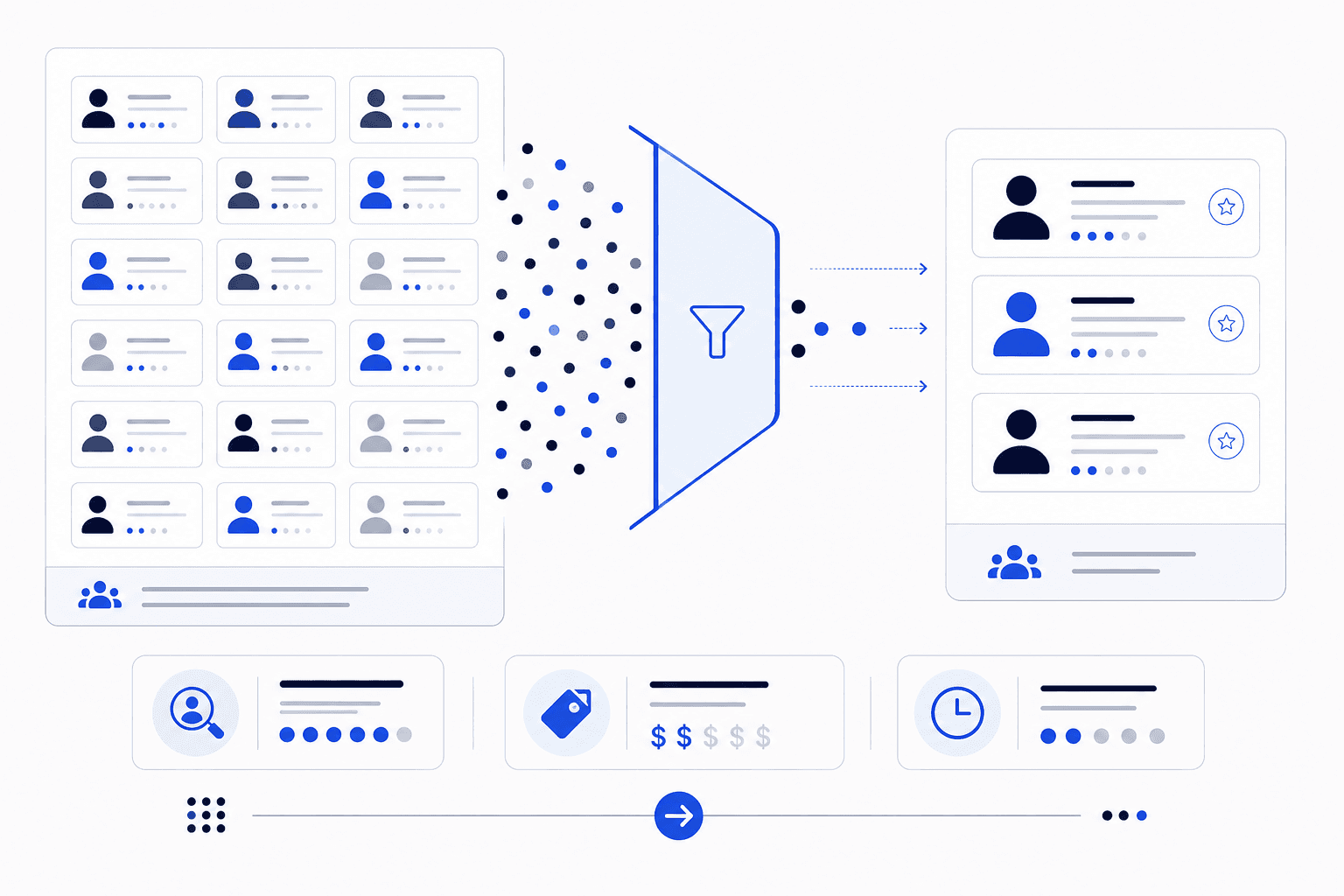
A Shopify specialist in the US costs $8,000–20,000 per month. In the Philippines, you’re looking at $1,500–3,000 for full-time work. That’s the same 160 hours, same quality output.
English Proficiency Eliminates Communication Barriers
Filipinos speak and write English at a level that works for customer-facing roles. No awkward email responses. No communication breakdowns with your US-based team.
Time Zones Actually Work in Your Favor
If you’re in the US or Australia, there’s enough overlap to have real-time conversations when you need them.
They Know Shopify’s Advanced Features
We’re talking Shopify Flow automations, Launchpad for scheduled events, Script Editor for custom checkout logic, multi-currency setups, and Klaviyo email flows that actually convert.
One employer put it simply: “Up to 80% cost savings without sacrificing quality.” That came from someone who tested their hire on real enterprise scenarios like troubleshooting integration issues and setting up B2B price lists.
What to Actually Look for When Hiring
Don’t hire generalists for Shopify work.
You need someone who lives in the platform — someone who knows the difference between Shopify and Shopify Plus, and why it matters for your business.
Platform Expertise That Goes Deep
Your hire should know Shopify Plus features like Flow (for automating tasks), Launchpad (for coordinating sales events), Scripts (for checkout customization), and B2B functionality. If they’re managing multiple stores or handling wholesale, they need multi-store management experience.
Marketing and Integration Skills
Klaviyo isn’t optional anymore for serious Shopify stores. Your specialist should build email and SMS flows that actually work. Google Ads experience matters. So does setting up Google Merchant Center feeds and local inventory ads. These integrations are where stores actually make money.
Operations That Keep the Store Running
Order processing, inventory management, customer support, and performance analytics — the boring stuff that breaks your business if it’s done wrong.
Soft Skills That Actually Matter
English fluency, yes. But also problem-solving under pressure. Can they prioritize when your store has five fires burning at once? Have they worked with US businesses before and understand the pace?
Skill Levels and What They Cost
Basic specialists (product uploads, simple order management): $5–8/hour
Intermediate specialists (app integrations, email marketing): $8–12/hour
Advanced specialists (Shopify Plus, automations, B2B, headless): $10–15/hour
The advanced folks are worth every penny if your store is doing serious volume.
Where to Find Filipino Shopify Specialists
You have options. Some are better than others.
Managed Services Handle the Vetting
They test candidates on actual Shopify tasks. You skip the part where you interview 47 people who say they know Shopify but can’t explain what a metafield is.
Direct Hiring Gives You Control
You get lower costs and more control, but you do all the screening yourself. That works if you know what you’re looking for and have time to interview.
Specialized Platforms Cut Through the Noise
If you want reviewed talent profiles with Shopify-specific skills, platforms like HireTalent.ph let you filter for e-commerce specialists who’ve already been screened for technical ability and English proficiency.
You’re not starting from zero.
Freelance Marketplaces Require Extra Diligence
The freelance marketplaces work too, but you need to be careful. Filter specifically for Philippines-based Shopify specialists. Ask for Loom videos showing them actually doing the work. Run trial projects before committing.
Key principle: Avoid unmanaged freelancers for critical roles. If this person is touching your checkout process or managing your ad spend, you want someone who’s been properly assessed.
How to Actually Hire (Step by Step)
Step 1: Document What You Need
Write down every Shopify Plus feature you use. List your order volume. Note every integration (Klaviyo, your shipping app, your inventory system, whatever).
Define what success looks like: “Reduce email support backlog by 50% in 30 days” or “Set up automated abandoned cart flows that recover 10% of lost sales.”
Step 2: Source and Screen Candidates
Post your job with specifics. Don’t say “Shopify expert needed.” Say “Need Shopify Plus specialist experienced with Flow automations and B2B wholesale setup.”
Require Loom videos where they walk through a Shopify task. Do structured interviews with the same questions for everyone.
Step 3: Test Them on Real Work
Give them a trial project: “Configure this Flow automation,” “Set up this Klaviyo email sequence,” or “Troubleshoot why this integration isn’t syncing inventory.”
Some platforms simulate entire enterprise stores for testing. Use that.
Step 4: Secure the Hire Properly
NDA. Contract with clear KPIs. Access limits based on what they actually need. Never give unrestricted admin access to someone you just hired.
Step 5: Onboard and Manage Actively
Daily check-ins at first. Weekly reports once they’re rolling. Use Slack or whatever you use internally. Track outcomes, not hours. Set 30–60–90 day review points.
Step 6: Plan for Scale
Build a “bench” of backup candidates you’ve already vetted. When you need to hire fast, you’re ready.
The Risks Everyone Worries About (and How to Handle Them)
Hiring is safe when done correctly. It’s risky when you skip steps.
Poor Vetting Is the Biggest Problem
Hiring someone because their resume looks good leads to mismatches. They say they know Shopify Plus but they’ve only used basic Shopify.
Solution: Platforms with multi-stage screening that includes English tests, technical assessments, and actual Shopify scenarios.
Security Concerns Are Real
Someone with unrestricted access to your store can cause damage, intentionally or not. Limit access to what each role needs. Customer support doesn’t need access to your payment gateway settings. Give view-only access to reports unless they need to edit.
Management Gaps Kill Performance
No oversight means work drifts off course. The solution isn’t micromanagement. It’s feedback loops: regular check-ins and clear expectations.
Platforms report 97% retention rates when employers do structured check-ins.
Cultural and Time Zone Fit Usually Isn’t a Problem
Filipino remote workers adapt well to US, UK, and Australian business culture. They have a strong work ethic and understand urgency. Still, set clear expectations about working hours and response times. If you need 9–5 overlap, say so upfront.
Success Stories Are Common When You Do This Right
Employers report “trusted long-term extensions” when they use proper processes. Direct hires save more money but add HR burden. Managed services cost more but handle the complexity.
What This Actually Costs (and What You Save)
Full-time Filipino Shopify specialists: $1,500–3,000/month
Local hires in the US or Europe: $8,000–20,000/month
That’s the headline number.
No benefits to manage. No payroll taxes. Free trials and replacement guarantees reduce your risk.
Here’s What Matters Most
Don’t hire cheap. Hire smart.
The worst thing you can do is find the lowest rate possible and hope it works out. The best thing you can do is find qualified specialists, vet them properly, and manage them well.
Filipino Shopify specialists are in demand because they deliver results at rates that make sense for businesses of all sizes.
Whether you’re running a small store doing $50k/month or a Shopify Plus enterprise doing millions, there’s talent available at the level you need.