
Filipino developers are genuinely good value.
English-fluent, technically strong, and experienced working with US, UK, and Australian teams. Rates typically run $10 to $25 per hour for skilled roles.
That combination is hard to find anywhere else.
The question isn’t whether to hire from the Philippines. It’s where.
Two platforms come up constantly for this: OnlineJobs.ph and HireTalent.ph. They’re both built for direct hiring.
But they work very differently. And depending on what you’re hiring for, that difference matters a lot.
For the broader platform breakdown beyond developer hiring, start with our full OnlineJobs.ph review.
1. How Big the Talent Pool Actually Is on Each Platform
OnlineJobs.ph has been around since 2009. They have over 500,000 profiles. For pure volume, nothing else in the Philippines-focused space comes close.
For mobile developers, ask about the release pipeline as well as the codebase. Tools that export Fastlane-compatible screenshot ZIPs can save hours when a team ships frequent App Store or Google Play updates.
If you’re hiring for a niche tech stack (Laravel, Node.js, React) that depth works in your favor. You’ll get 50 to 100 applicants on a well-written post. Somewhere in there is the person you’re looking for.
HireTalent.ph has a smaller pool. It’s growing, but it’s newer. What it trades in volume, it tries to make up in signal quality, more on that below.
The honest take: if you’re casting a wide net and want raw numbers, OnlineJobs.ph wins on pool size. If you’re trying to minimize the time spent sorting through applicants, that’s where the comparison gets more interesting.
2. What Vetting Actually Looks Like on Each Platform
This is where the platforms diverge the most.
OnlineJobs.ph is largely self-reported. Profiles are built by the talent themselves. Background checks exist but they’re optional and employer-initiated. You’re doing most of the screening yourself.
HireTalent.ph runs a 6-step verification process on talent profiles
For employers hiring someone they’ll never meet in person, having that layer of identity and background verification changes the trust calculation.
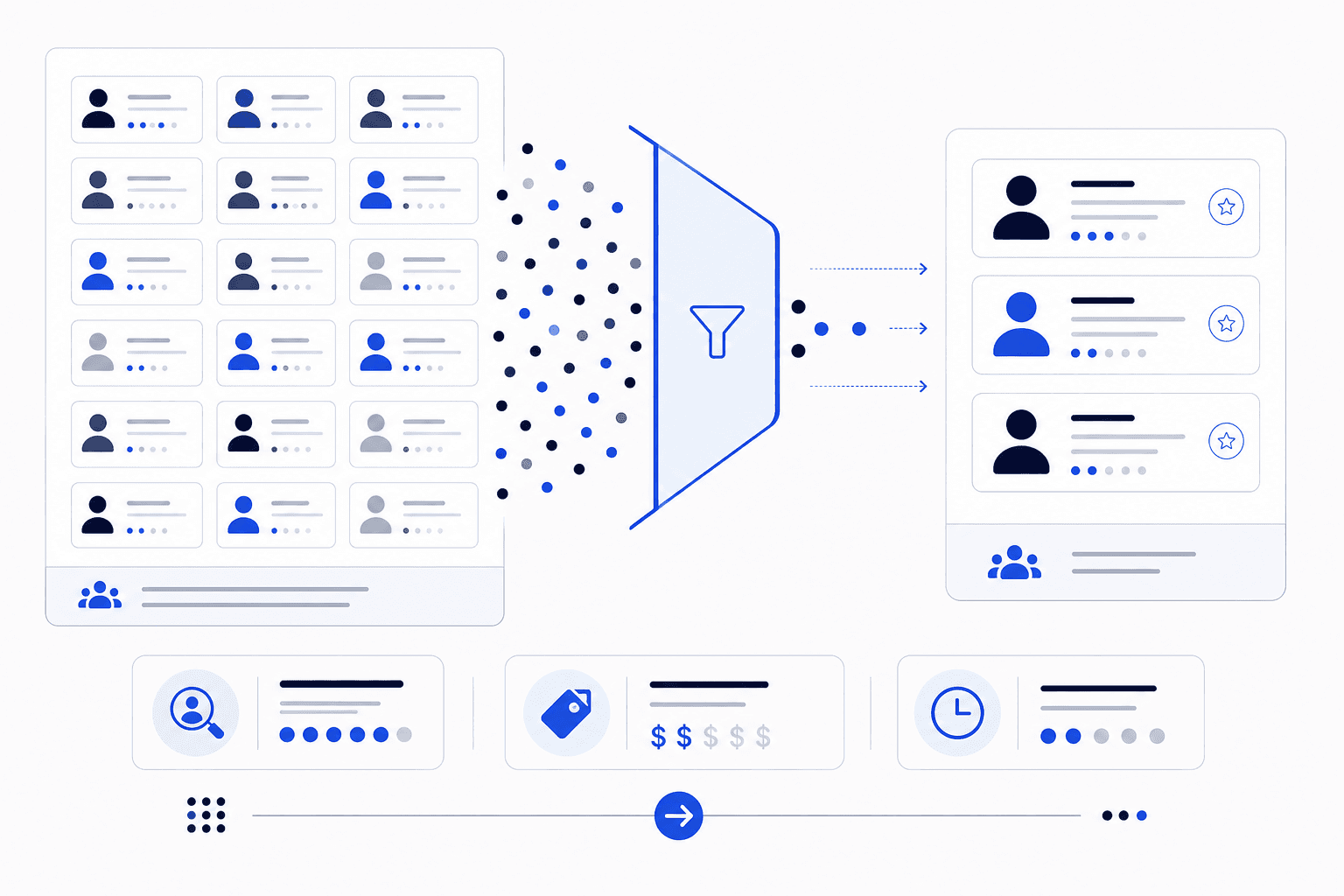
When you post a job on HireTalent.ph, there’s also an AI layer that grades each applicant across five categories: overall fit, job match, retention risk, experience level, and application effort.
You see a ranked shortlist instead of a raw pile of applications.
OnlineJobs.ph gives you volume. HireTalent.ph gives you a pre-sorted stack.
3. Whether You Can Try Candidates Before Committing
Neither platform locks you into a hire. But only one has this built in natively.
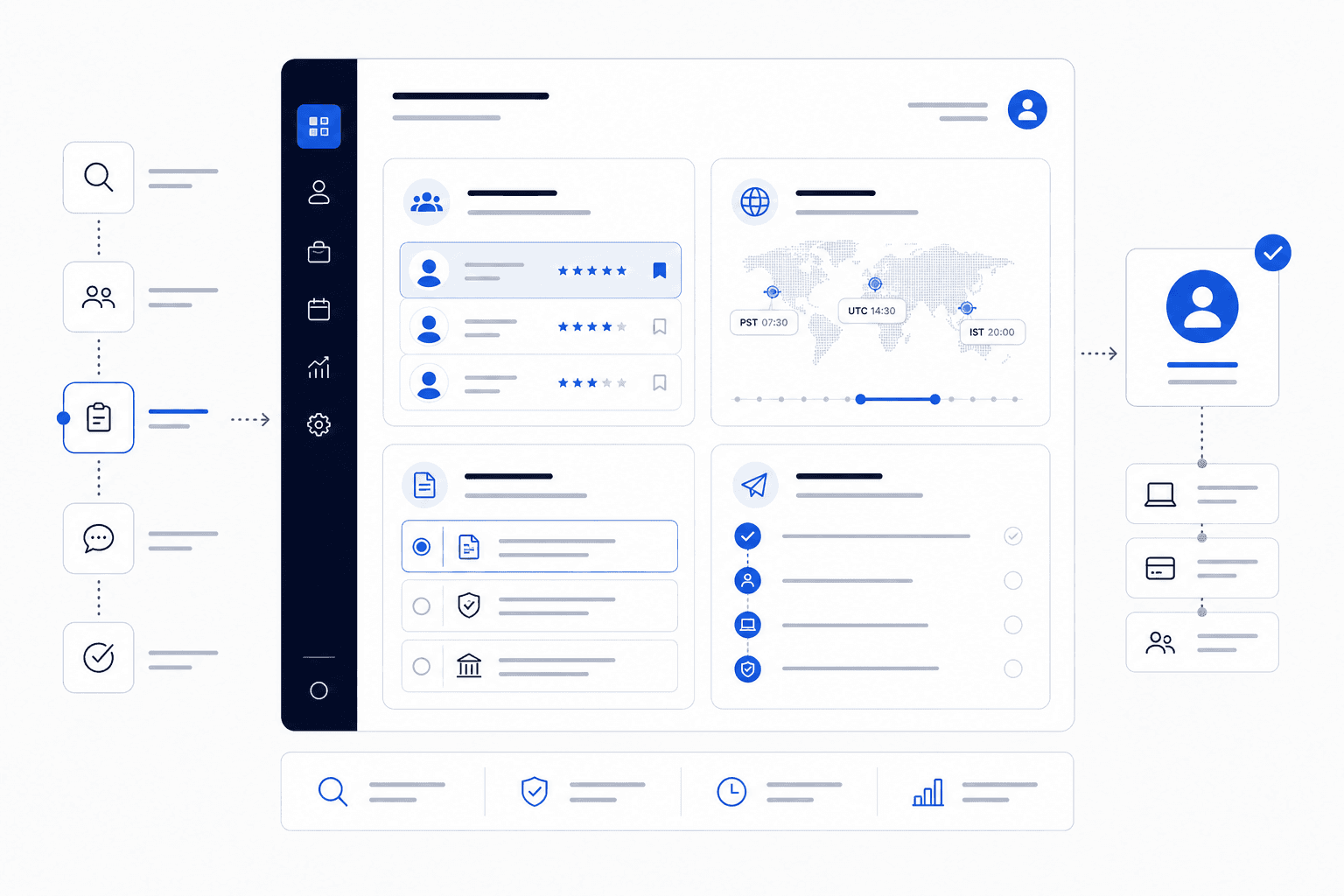
HireTalent.ph has an integrated trial task system. You can create a paid or unpaid task, assign it to specific applicants, review submissions, and accept or reject the work all within the platform.
For developer hiring specifically, this is useful. A short coding task tells you more than any interview.
OnlineJobs.ph doesn’t have this built in. You’d set it up manually, off-platform.
Trial tasks aren’t a new idea. Most experienced remote hiring managers already do some version of this.
The difference is friction. When it’s built into the hiring flow, you actually do it. When it requires manual setup, it often gets skipped.
4. What You Pay on Each Platform
OnlineJobs.ph runs on a flat subscription model. $69/month for basic access, $99/month for the premium plan with up to 500 applicant contacts.
No per-post fees. If you’re hiring frequently or running multiple searches at once, the math works out well.
HireTalent.ph has three tiers:
- Pay as You Go — $48 per job post, plus $20/seat/month for team management. Good for occasional hires.
- Employer Plan — $88/month. Includes 3 job posts, 250 talent bookmarks, contact up to 200 unique profiles monthly, up to 5 trial tasks, AI-powered features, 3 management seats, and 500 AI credits monthly. Comes with a money-back guarantee.
- Team Plan — $169/month. Scales up to 10 job posts, 10 management seats, 500 profile contacts monthly, unlimited trial tasks, and advanced team management. Also includes a money-back guarantee.
The pay-as-you-go option on HireTalent.ph is worth noting for smaller teams. If you hire once or twice a year, you’re not locked into a monthly subscription you’ll forget to cancel.
5. Where Each Platform Makes Sense for Developer Hiring
OnlineJobs.ph is a good starting point if you want maximum exposure and you’re comfortable doing your own screening. The experienced developers are on there. You just have to find them yourself.
The tradeoff is time. Sorting through 80 applications, chasing responses, dealing with the occasional fake profile that’s real work.
HireTalent.ph makes more sense if you want a tighter process from the start. The verification layer, the AI shortlisting, the built-in trial tasks, those aren’t just features, they’re hours saved.
If your time has real cost, that matters.
The Thing Most Comparison Articles Won’t Tell You
The platform is maybe 20% of what makes a Filipino developer hire succeed.
The rest is your job description, your rate, and how seriously you take the trial stage.
Write a vague JD and you’ll get vague applicants on either platform. Post a rate that’s below market and the best candidates won’t apply. Skip the trial and you’re hiring on vibes.
Filipino developers at the $10 to $25/hour range are genuinely skilled. They’re working with US and Australian teams every day.
They have standards for the employers they choose too. The hiring process you run signals a lot about what working with you will be like.
Run it well and you’ll hire someone good. That’s true regardless of which platform you start on.
Hiring Filipino developers on OnlineJobs.ph vs HireTalent.ph
If your search is specifically about hiring Filipino developers, do not evaluate platforms only by profile count. Developer hiring depends on stack fit, code quality, communication, availability, and whether the candidate can complete a realistic technical task.
What to check when you hire Filipino developers
Before hiring, confirm the developer’s primary stack, recent project examples, GitHub or portfolio links, English communication, timezone overlap, and expected monthly or hourly rate. For web roles, ask about React, Next.js, Laravel, Node.js, WordPress, PHP, Shopify, APIs, databases, and deployment experience depending on your needs.
Why trial tasks matter for developer hiring
A short paid coding trial is often more useful than a long interview. Ask candidates to fix a small bug, build a tiny feature, explain a previous implementation, or review a pull request. HireTalent.ph supports trial-task workflows so employers can compare practical output before committing to a long-term developer hire.