
Filipino workers are getting hit harder than almost any other group of remote workers worldwide.
The scams are getting more sophisticated. More convincing. Harder to spot.
In 2023, the Philippine National Bureau of Investigation reported 12,847 cases of online employment fraud.
By mid-2024, that number had already surpassed 43,000 cases.
That’s just what got reported. Most victims never file reports because they’re embarrassed, don’t know where to report it, or assume nothing will happen anyway.
The real number is probably 10x higher.
Average Financial Impact Per Victim
The average loss per victim in the Philippines is around $430 USD. That might not sound like much to a Western company, but in the Philippines that represents two months of salary for many workers.
For companies, the average loss per incident is around $14,000 USD when you factor in lost productivity, legal fees, and recovery costs.
Why Filipino Workers Are Prime Targets
Filipino remote workers are some of the best in the world. They’re educated. English-fluent. Skilled. And they’re actively looking for legitimate remote opportunities with international companies.
Scammers know this too.
The Perfect Storm of Vulnerability
Scammers know Filipino workers are motivated, often supporting entire families. High unemployment makes people desperate for good opportunities, and scammers exploit that.
The Philippines has one of the highest internet penetration rates in Southeast Asia nearly 77% of the population is online.
That’s about 85 million people, creating a massive pool of potential victims for scammers to target.
What These Scams Look Like
Forget the obvious stuff. The “send me money to get your job” scams still exist, but they’re not what’s growing.
The new scams are professional. Polished. Sometimes indistinguishable from real job offers.
The Equipment Purchase Scam
Here’s an example.
A graphic designer in Manila is contacted on LinkedIn. The recruiter has a complete profile—500+ connections, recommendations, the works.
The company has a website that looks legitimate.
She goes through three rounds of interviews: video calls with people who seem professional. They discuss the role in detail: salary, benefits, start date.
Then comes the catch: “We need you to purchase your own software licenses and equipment. We’ll reimburse you on your first paycheck.”
She spends $100 USD. The company ghosts her.
The Fake Check Scheme
Another common tactic: you get “hired” for a remote position and they send you a check to buy equipment. The check is for more than needed and they ask you to wire back the difference.
The check bounces. You’re out whatever you sent them.
The Data Harvesting Operation
Fake job applications collect personal information government IDs, bank details, social security numbers.
That information gets sold or used for identity theft.
The Production Value Is Terrifyingly High
This is what makes it dangerous.
Scammers are copying real company branding. They’re using actual employee names from LinkedIn. They’re creating fake domains that are one letter off from legitimate companies.
Domain Spoofing Tactics
Instead of “company.com” it’s “company-careers.com” or “companyhr.com.”
They’re posting on legitimate job boards—not just sketchy websites, but real platforms where people expect to find real jobs.
Advanced Impersonation Techniques
They’re conducting video interviews, using AI-generated voices, and in some cases deep fakes.
The production value is getting alarmingly good.
Companies Are Getting Hit Too
It’s not just workers getting scammed.
The Insider Threat
Fake workers submit applications with stolen credentials. They get hired, collect paychecks for a few weeks while doing minimal work, then disappear.
Or worse, they’re actually working for the company while stealing data, customer information, or intellectual property.
Real-World Financial Impact
One U.S. company lost $2.3 million USD to a scam where “employees” were actually a fraud ring. They hired 15 people for customer support roles; all the credentials were fake and the money went to organized crime.
The Fake Recruiter Epidemic
There are thousands of fake recruiters operating right now—on LinkedIn, job boards, and Facebook groups.
How Fake Recruiters Operate
They often don’t represent real companies. They’re collecting information to sell or running advance-fee scams.
Common tactics include charging a “processing fee” for a work visa, a “training deposit” that’s refundable, or “background check costs” you need to cover upfront.
Real companies don’t ask for money from job applicants. Ever.
But when you’re desperate for work and someone offers you $2,000 USD a month to work remotely for an American company, you might convince yourself it’s legitimate.
Red Flags You Cannot Ignore
If a job posting has any of these signs, walk away.
Compensation Red Flags
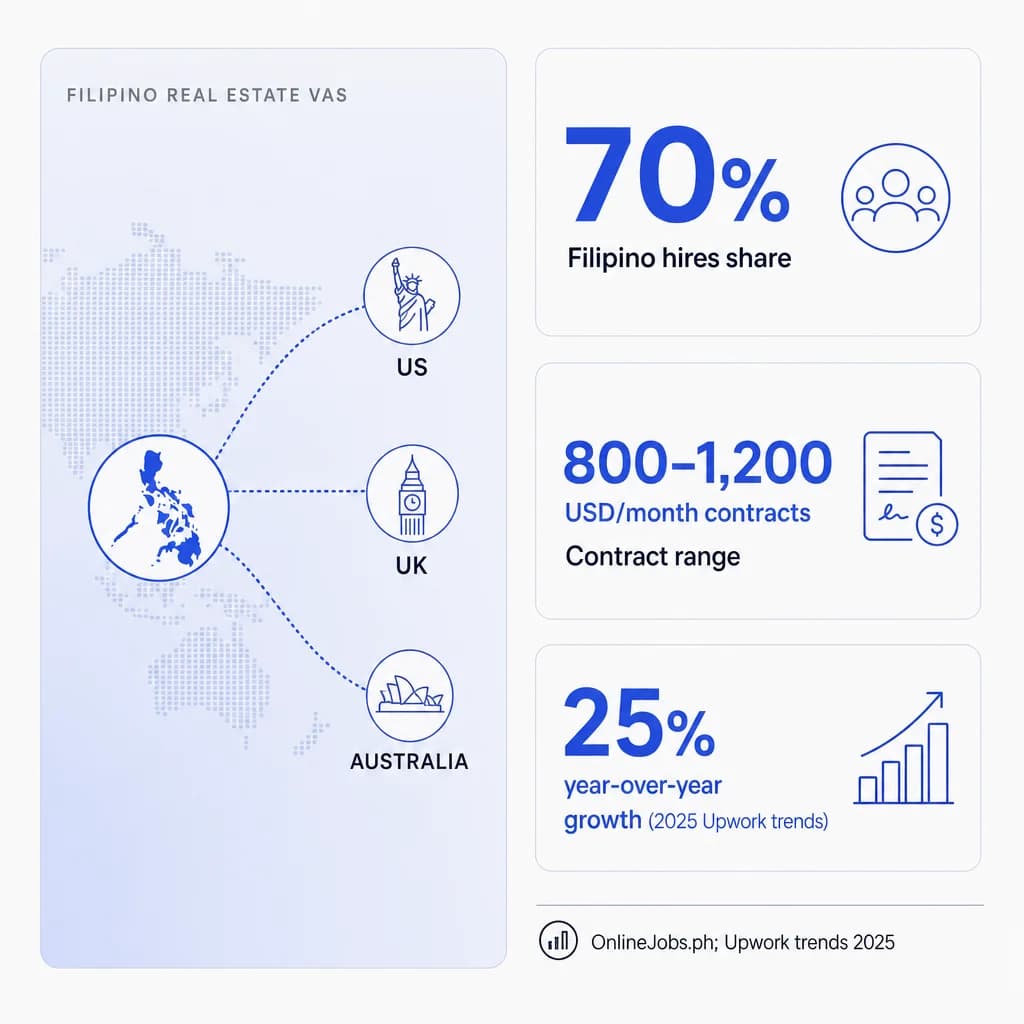
- The salary is way above market rate for the role. If similar positions pay $800–$1,200 USD/month and this one offers $3,000 USD, something’s wrong.
Process Red Flags
- They want to interview you immediately without reviewing your resume. Real hiring takes time.
- They’re rushing you to make a decision. “We need someone to start tomorrow” is almost always a scam.
Information Request Red Flags
- They ask for personal information before making an offer. Your social security number, bank details, or government IDs shouldn’t be requested until after you’ve been officially hired.
Communication Red Flags
- The email domain doesn’t match the company website. Or they’re using a Gmail/Yahoo address instead of a company domain.
- They ask for money for any reason. Equipment, training, background checks, visa processing—these are all red flags.
Job Description Red Flags
- The job description is vague. Real jobs have specific responsibilities and requirements.
- You can’t find the person who contacted you on the company’s official website or LinkedIn.
What Legitimate Hiring Actually Looks Like
Real companies have real hiring processes.
The Authentic Hiring Timeline
They post detailed job descriptions, review applications carefully, conduct multiple interviews, and check references.
They use verified platforms for hiring. At HireTalent.ph, for example, every employer goes through verification before they can post jobs or contact workers.
Real employers ask about your experience: what you’ve done, what you can do, and how you work.
And perhaps the most telling real companies give you time to think about offers.
They understand this is a big decision. Scammers pressure you to decide immediately.
How to Report Scams
If you’ve been scammed, report it to the Philippine National Bureau of Investigation Cybercrime Division.
File a report even if you think nothing will happen, every report creates data that helps authorities identify patterns and shut down operations.
Also report the scam to the platform where you found the job so they can take action.
What Companies Must Do Differently
If you’re hiring Filipino workers, you have a responsibility.
Use Verified Hiring Platforms
Use verified platforms. Conduct thorough verification: check credentials, call references, and do background checks through legitimate channels.
Never Ask Workers to Pay
Never ask workers to pay for anything—equipment, software, or training. If they need tools to do the job, the employer should provide them.
Secure Payment Methods Only
Use secure payment methods: direct deposit to verified bank accounts. Avoid wire transfers, cryptocurrency, or payments to personal accounts.
Establish Clear Processes
Have a clear onboarding process with real paperwork, contracts, and consistent communication.
Moving Forward
The 340% increase won’t reverse itself on its own. Scammers are making too much money, tactics are effective, and victims are plentiful. But we can slow it down and protect more people.
Practical Steps Forward
- Start with awareness: share this information and warn people.
- Use verified platforms and perform due diligence.
- Trust but verify—if something feels off, it probably is.
The Reality Check
The remote work opportunity for Filipino talent is real. The jobs and companies are real. But so are the scams. Know the difference.