
Here’s the pattern I’m seeing across US, UK, and Australian companies.
They’re keeping strategy and final decision-making onshore. Everything else? If it’s process-driven and has clear outputs, it’s fair game for offshoring.
The practical logic is simple. Why pay $60,000–$80,000 for someone in Austin to do work that a skilled professional in Manila can handle for $15,000?
But not every role translates well. Here’s what’s actually moving — and why.
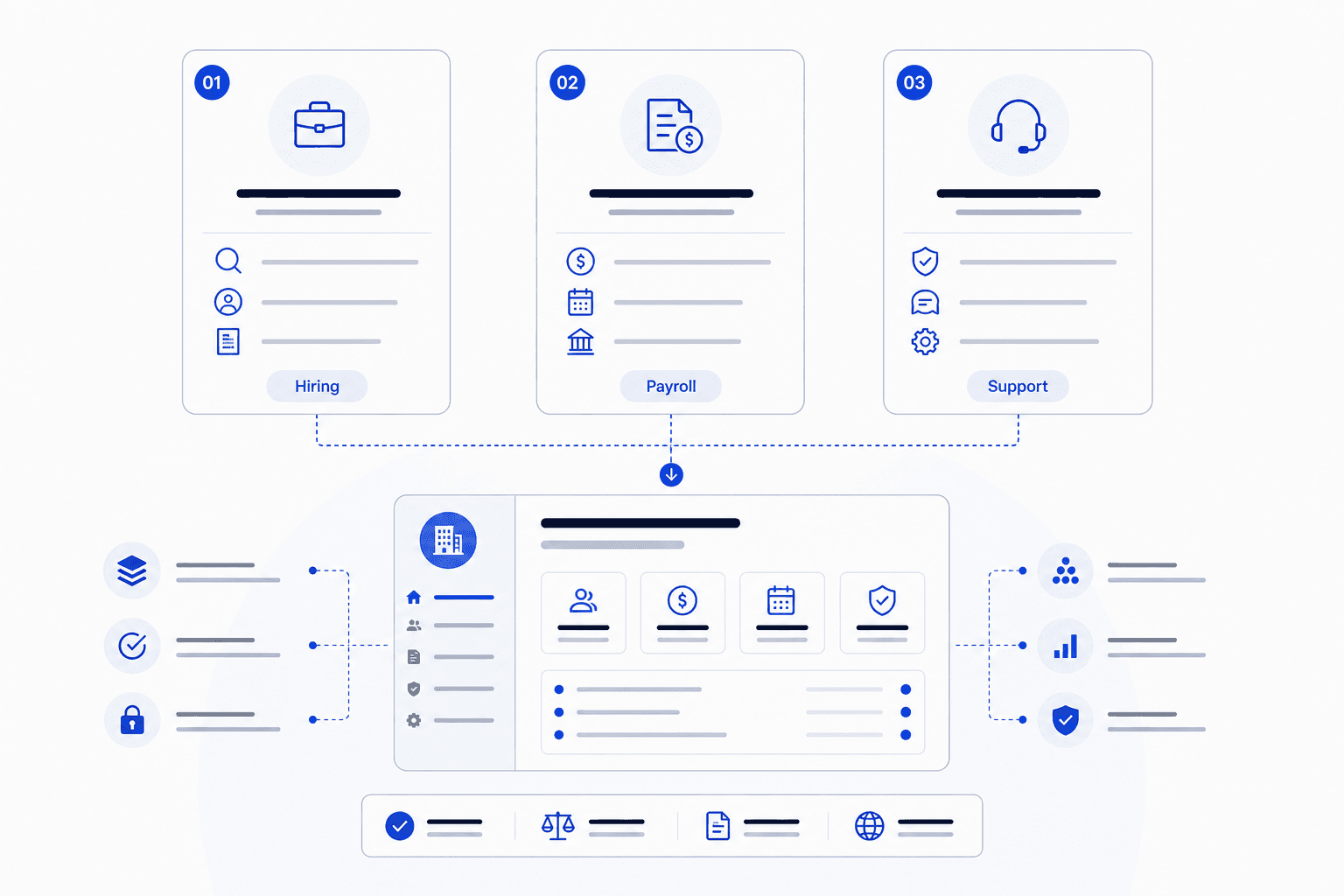
The roles shifting to the Philippines right now, and what’s driving each one:
- Customer support and help desk — Neutral English, strong Western cultural alignment, and massive cost savings for 24/7 coverage
- Admin and executive support — High-output, process-driven work that scales once documented
- Finance and accounting — Deep pool of GAAP/IFRS-trained graduates as onshore accounting talent shortages worsen
- Marketing, content, and social media — Research, distribution, and execution work that doesn’t require native-sounding copy
- Real estate, e-commerce, and medical billing — Industry-specific playbooks already exist; Philippines provides the execution layer
- IT support and QA — Bounded technical work with clear scope and measurable outcomes
- Back office and data operations — High-volume, repeatable tasks with straightforward documentation
Why Global Companies Are Moving More Roles to the Philippines
It’s not just cost, though that helps.
Companies have figured out that with clear processes, good communication, and proper scoping, Filipino remote workers handle sophisticated work reliably.
The other factor is talent scarcity onshore. In the US and UK, accounting, IT support, and administrative roles are increasingly hard to fill at reasonable salaries. The Philippines fills that gap without the hiring timeline or salary inflation.
For a deeper look at why the Philippines specifically attracts global employers, this breakdown of why US startups hire in the Philippines covers the structural reasons behind the trend.
Customer Support and Help Desk Roles Moving to the Philippines
This is still the biggest category by volume — but it’s evolved.
Companies are no longer just moving basic phone support. Entire Tier 1 and Tier 2 help desk operations are shifting, including IT support teams handling tickets, troubleshooting, and systems administration tasks.
Filipino remote workers have neutral English accents and strong cultural alignment with Western customers.
The cost savings are substantial enough that companies can build 24/7 support operations for what they’d pay for a single shift in the US.
Administrative and Executive Support Roles Companies Outsource
Solo founders and small agencies have been hiring Filipino remote workers as general assistants for years. What’s changed is that larger companies are doing it too — including for high-level executive support.
Tasks that used to require a $75,000 salary in New York are being handled remotely for a fraction of that cost.
Finance, Accounting, and Controllership
This one surprises people.
Professional services firms in the US, UK, and Australia are moving substantial finance functions offshore — not just bookkeeping, but actual controllership work.
One person in an accounting forum described their setup: “Vast majority of controllership is now offshore in the Philippines. Onshore staff are basically managers and reviewers.”
Why it works: the Philippines produces thousands of accounting graduates every year who are familiar with US GAAP, IFRS, and standard accounting software.
The work is structured, rules-based, and outcomes are measurable — exactly the profile that offshores well.
Marketing, Content, and Social Media Management
Design and marketing work accounts for roughly 30% of outsourcing demand to the Philippines.
Companies are hiring remote workers for social media scheduling, content repurposing, basic graphic design and video editing, SEO research, and ad creative production.
The honest caveat: results are mixed for high-level creative work. If you need native-sounding long-form content, you’ll probably keep that in-house.
But for research, social media execution, content distribution, and production support? Filipino remote workers are consistently strong.
Real Estate, E-commerce, and Industry-Specific Back Office
Real estate companies hire Filipino teams for cold calling, contract prep, CRM updates, and lead follow-up.
E-commerce brands hire for product research, listing creation, catalog management, and supplier coordination.
Accounting firms hire for bookkeeping across QuickBooks, Xero, and other standard platforms.
These roles exist because Western companies have already figured out the playbooks. They need people to execute those playbooks consistently and affordably.
The Philippines has become the default source for that execution layer.
IT, Software, and Technical Roles Moving to the Philippines
Technical roles are moving too but selectively.
IT support specialists managing tickets and user access, systems administrators handling routine maintenance, QA testers running test automation, front-end developers maintaining existing applications, and DevOps engineers managing deployment pipelines.
What’s harder, full-stack development for new ambiguous projects, architecture and technical strategy, client-facing technical consulting.
For companies specifically evaluating engineering and technical roles, this guide on why CTOs hire engineering teams in the Philippines covers the technical hiring considerations in more depth.
Back Office, Data, and Administrative Operations
Data entry and cleanup. Document processing. CRM hygiene. Lead list building. Web research. Light prospecting. Even recruiting coordination.
These are the invisible roles that keep businesses running. High supply of qualified workers in the Philippines means you can hire quickly and scale up or down as needed.
Training is straightforward because the work is repeatable and easy to document.
If you’re considering building an HR or recruiting function in the Philippines, this guide on building a Filipino remote HR team is worth reading before you start.
Best Roles to Offshore First
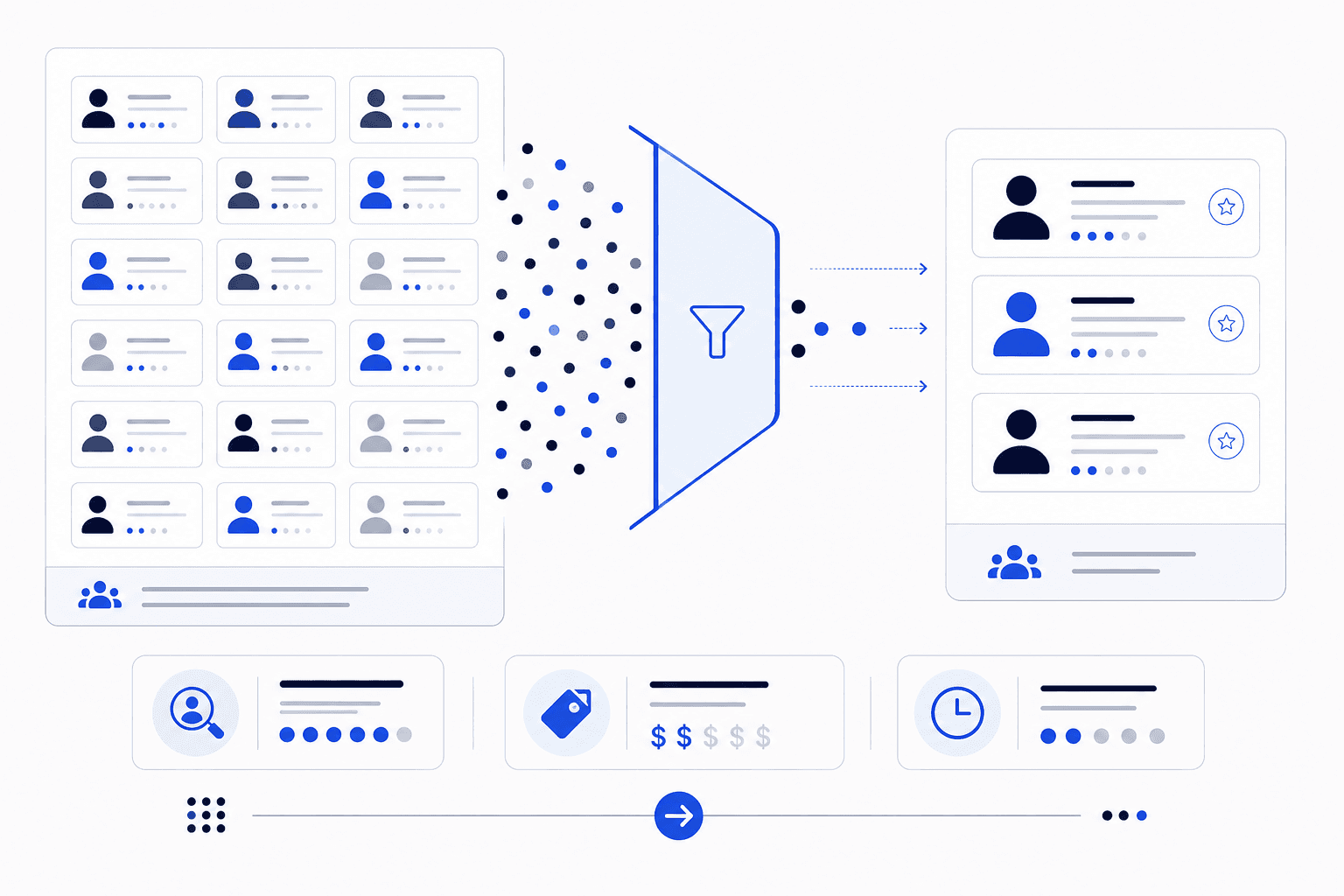
If you’re new to hiring in the Philippines, start with roles that have three things: clear outputs, documented processes, and measurable outcomes.
That usually means:
- Customer support with written scripts and escalation paths
- Admin work with SOPs already in place
- Back office tasks that are repetitive and easy to hand off
Avoid starting with roles that require heavy judgment, ambiguous briefs, or constant real-time collaboration with onshore stakeholders. Build trust and systems with lower-risk roles first, then expand from there.
This step-by-step hiring guide covers the practical process once you’ve identified the role you want to fill.
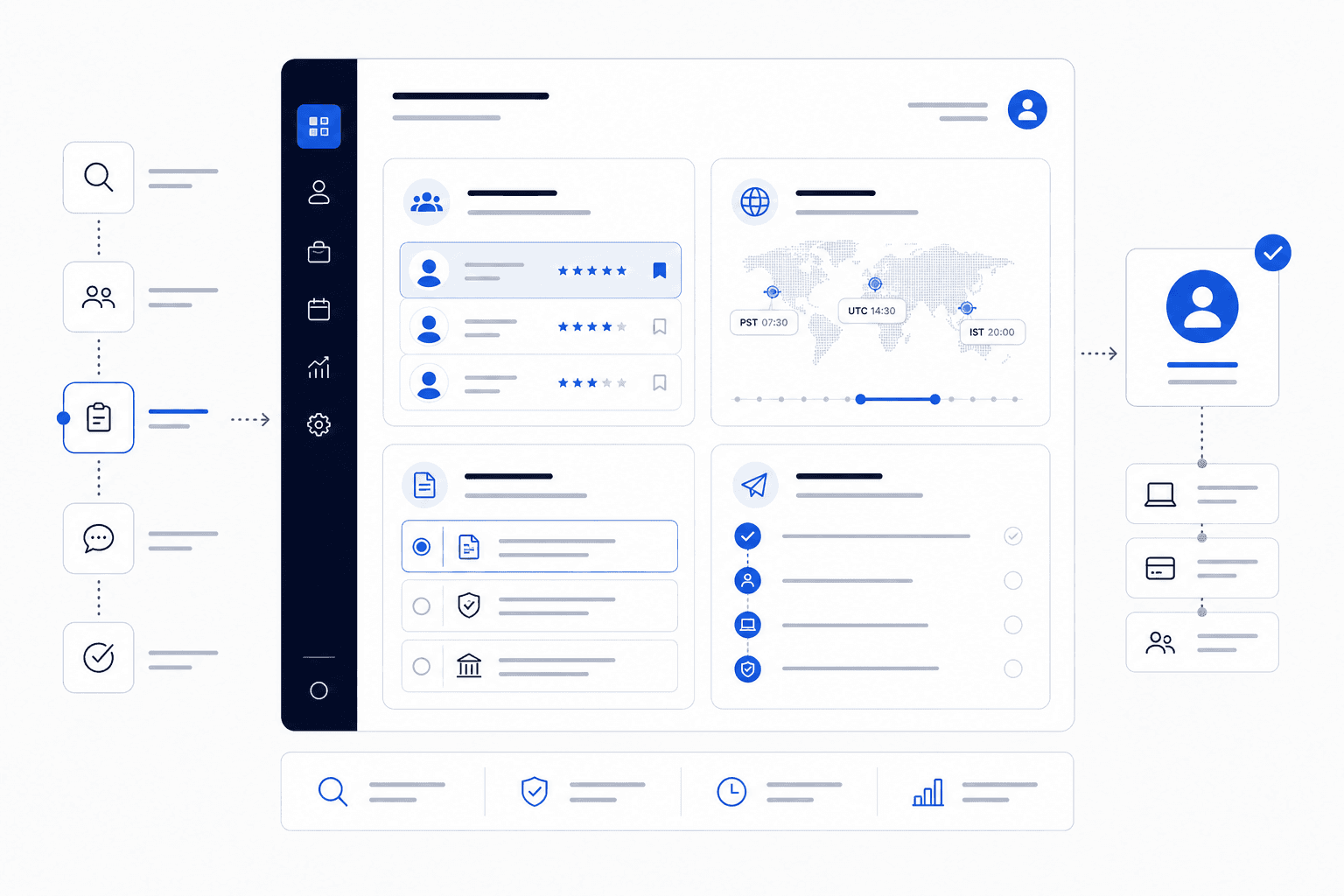
Which Roles Need Overlap Hours vs Async Execution
Not every role needs to work your time zone. Getting this right before you hire saves a lot of friction.
Roles that typically need overlap hours:
- Customer support (if covering live chat or phone)
- Executive assistants who need to be available during your working day
- IT support for internal teams
- Sales or lead generation roles with real-time handoffs
Roles that run well async:
- Content, SEO, and social media
- Bookkeeping and finance reporting
- Back office data and admin tasks
- QA testing and development work with clear tickets
Filipino remote workers are experienced with both arrangements. Being clear about which one you need upfront — and building it into your job posting — attracts the right candidates and sets the relationship up correctly from day one.
What This Means for Employers Hiring in 2026
More roles are moving to the Philippines than ever. Not because of cost alone — because companies have figured out that with the right systems, Filipino remote workers handle sophisticated work reliably.
The companies winning at this aren’t the ones trying to offshore everything. They’re the ones who identified specific, repeatable functions, built proper documentation, trained well, and measured outcomes.
Start there. Build your systems. You’ll probably end up offshoring more than you initially planned.