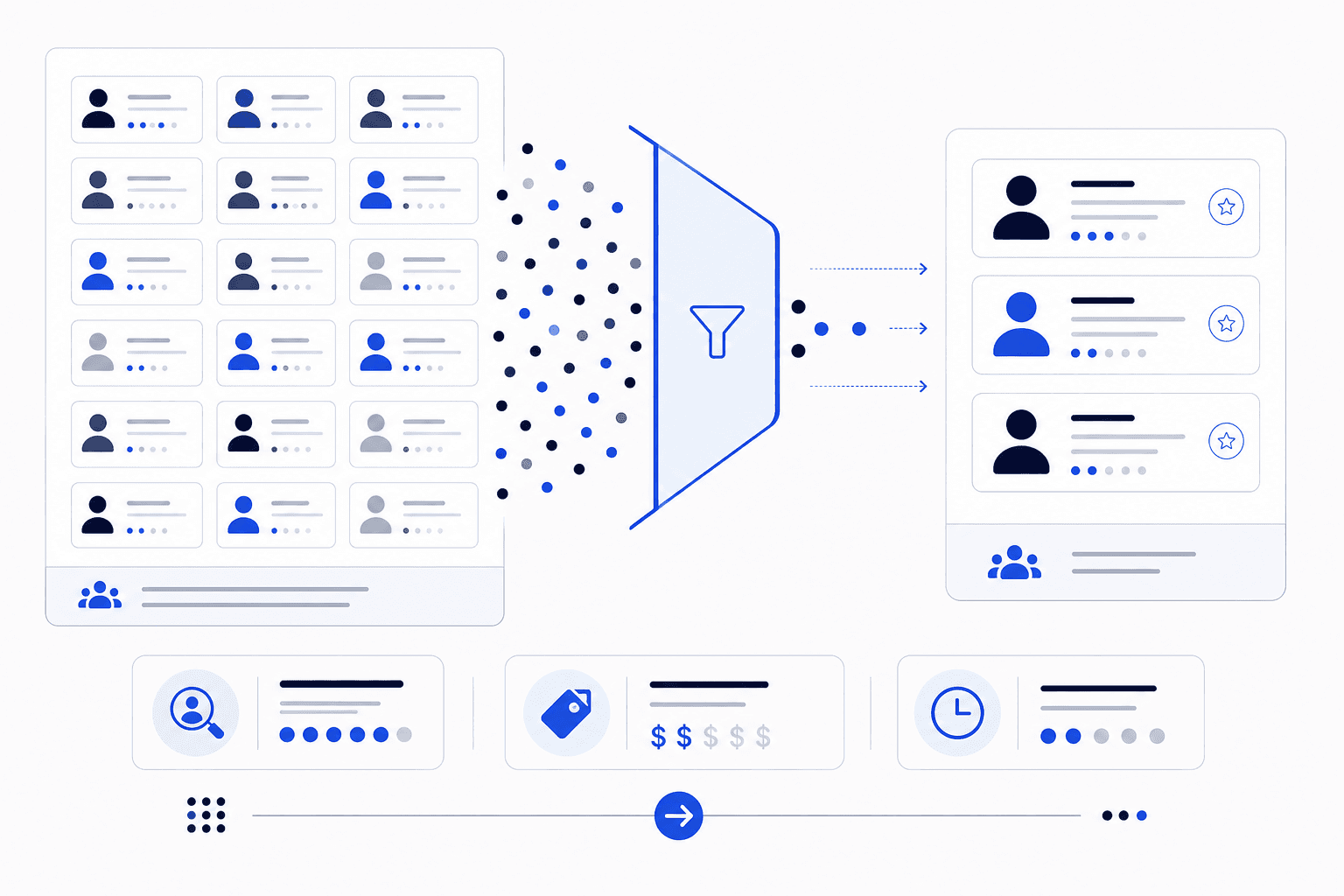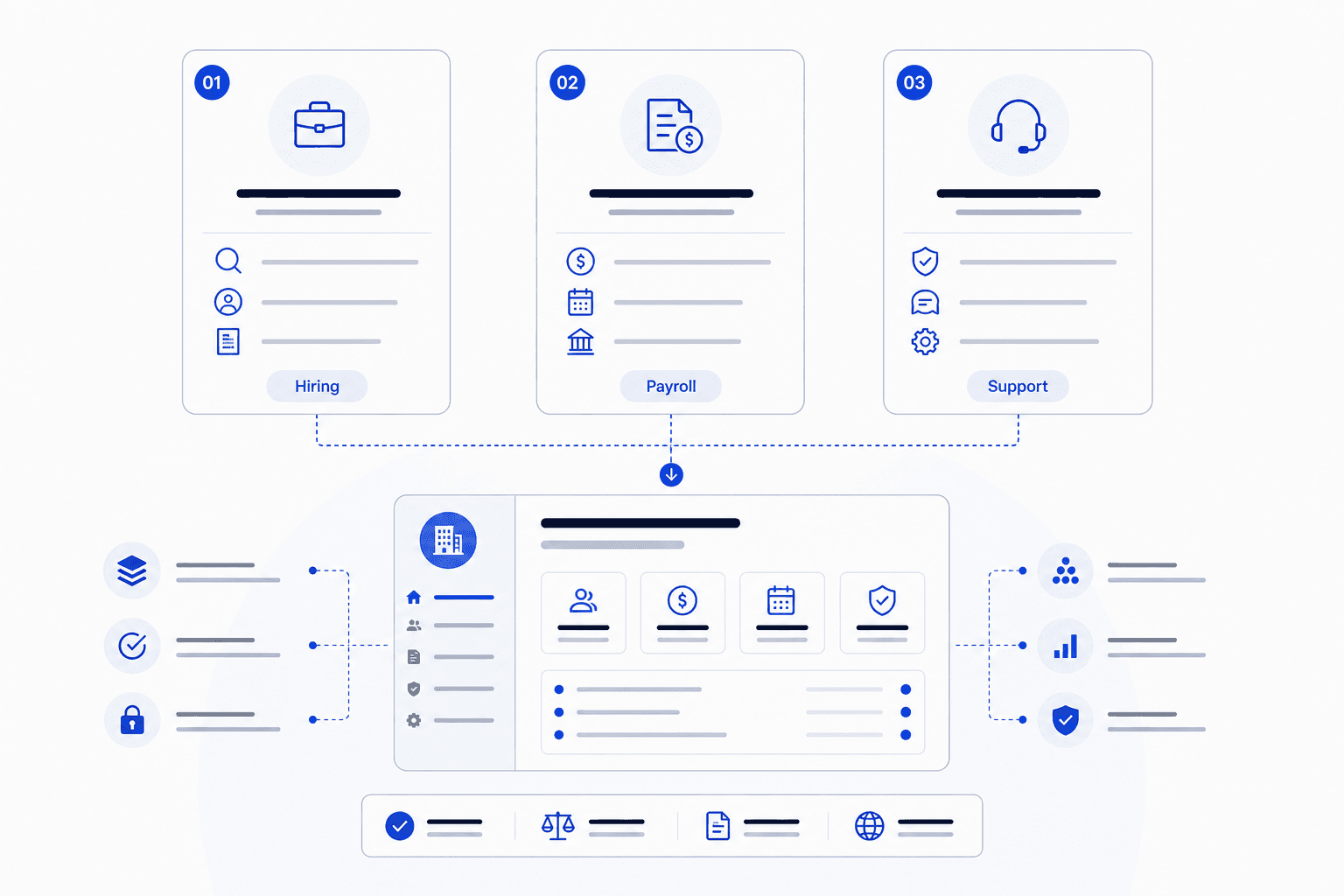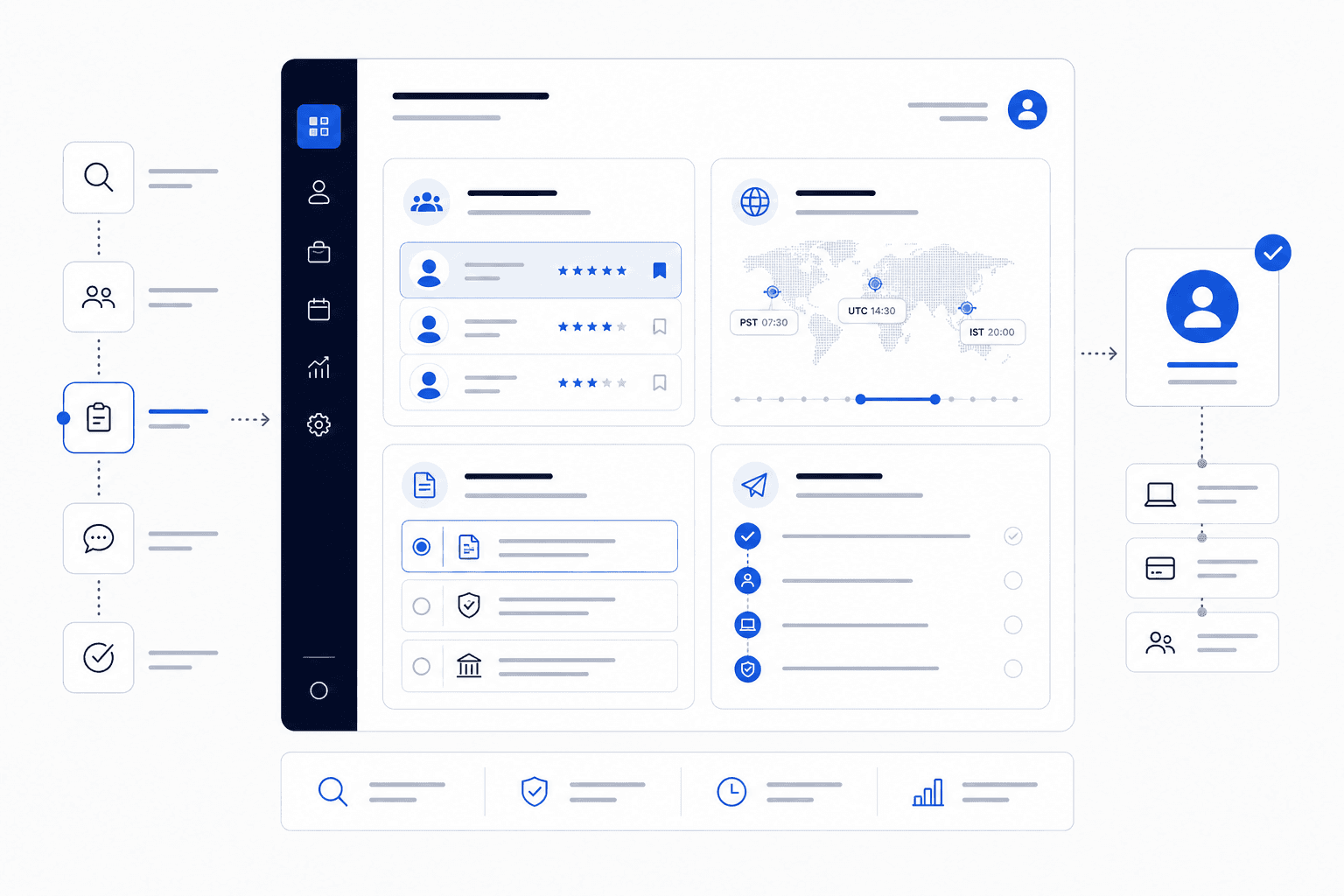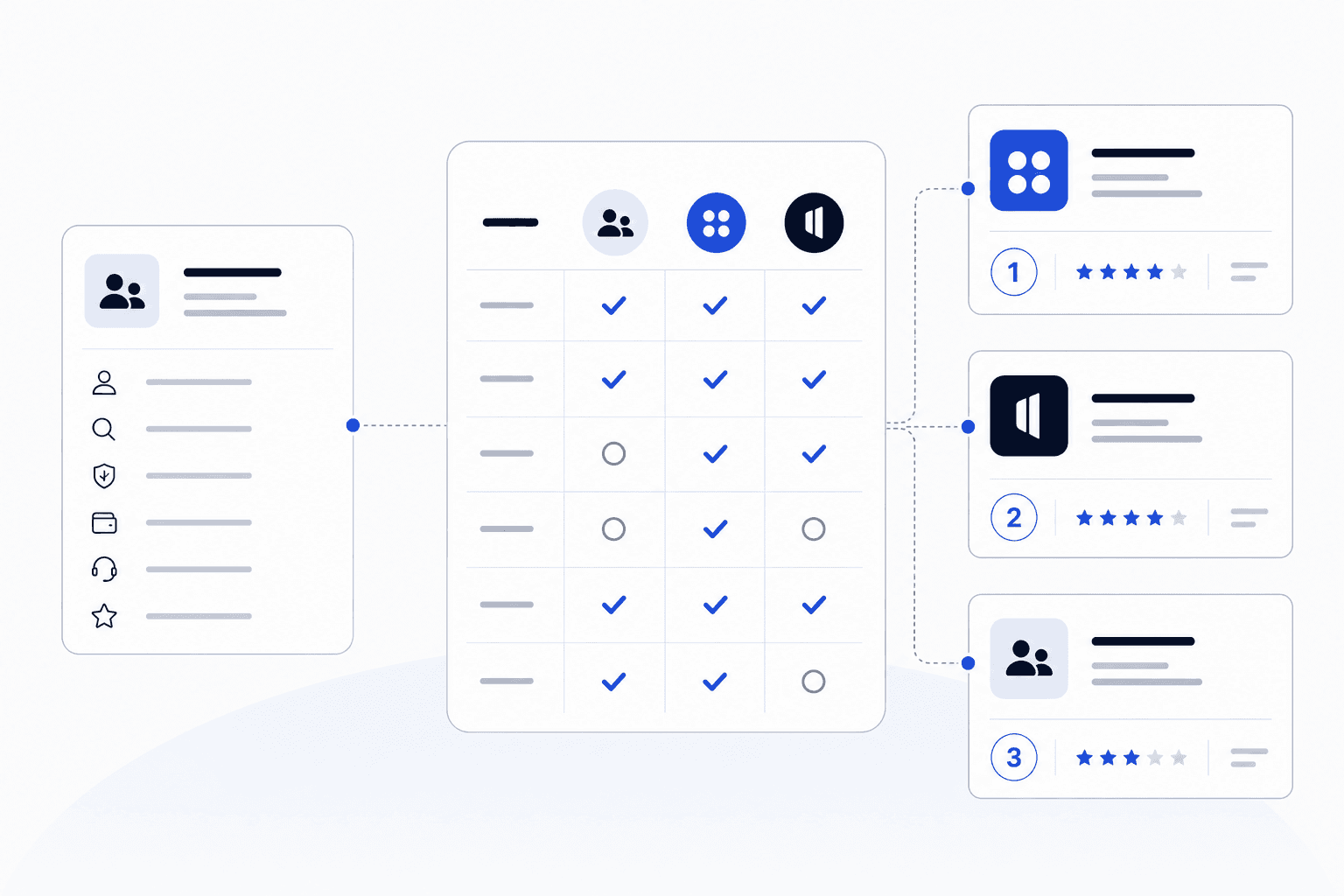

Here’s what most busy CEOs do when they need to hire someone fast.
They open Upwork. Sort by “highest rated.” Pick someone with a low bid and good reviews. Send a job offer. Done in 15 minutes.
Sounds efficient, right?
Except this approach leads to a 50% failure rate for long-term hires. Compare that to 10% when you actually vet properly or use platforms built for this specific purpose.
That’s not a small difference. That’s the difference between building a reliable team and constantly replacing people.
Are You Looking to Hire in the Philippines and Unsure Where to Start?
Sign up for an account and recruit your next employee within minutes!
Get StartedThe Profile Stats Trap
The problem isn’t Upwork itself. It’s what Upwork shows you.
A 98% job success score sounds great until you realize it’s built on twenty $10 gigs that took an hour each. Those five-star reviews?
Could be from clients who paid $50 for a logo and never worked with the person again.
You’re seeing a gamed system and there’s no way to verify any of it.
No government ID check. No address confirmation. No independent skill testing.
Why Smart People Make Dumb Hiring Decisions
You’re busy. I get it.
You’ve got a business to run. The last thing you want is to spend three days interviewing remote workers for an admin role. So you take shortcuts.
You assume someone with “10 years experience” and a professional-looking profile photo knows what they’re doing. You skip the reference checks because hey, Upwork already verified them, right?
Wrong.
The Identity Problem Nobody Talks About
Here’s the thing most CEOs don’t think about until it’s too late.
You have no idea who you’re actually hiring on Upwork. The profile looks legitimate. The reviews look real. But there’s no structural verification behind any of it.
Platforms like HireTalent.Ph require workers to verify their government ID, confirm their address, and validate their phone number before they can apply to a single job.
That’s a very different starting point than a profile photo and a self-written bio.
The Skill Testing Gap
This is where Upwork really falls short for long-term hires.
Freelancers self-report their skill levels. There’s no independent testing, no standardized baseline, no way to compare candidates on the same scale.
You’re just reading what they wrote about themselves.
Some hiring platforms solve this with built-in skill assessments quizzes with automatic scoring and percentile rankings so you can see where a candidate actually lands relative to others.
That’s a fundamentally different signal than reading what someone wrote about themselves.
The Trial Task Problem (And the Right Way to Solve It)
Most CEOs who hire through Upwork skip trials entirely. They’re in a hurry. The reviews look good. They just go for it.
That’s exactly how you end up replacing someone after six weeks.
A paid trial is the single most effective vetting tool available.
Two weeks, defined deliverables, real work — not a test project, but actual tasks you need done.
You learn more about someone in a trial than in ten interviews.
The challenge with Upwork is there’s no structured way to run one. You’re improvising payment, tracking, and submission outside the platform.
Most skip the trial entirely because the logistics are too annoying.
The Multi-Client Problem
Here’s something most CEOs miss entirely.
Upwork shows “available now” on profiles. Great, they’re available — for you and five other clients simultaneously.
Ask directly: “How many hours per week are you working for other clients right now?” If it’s more than 30 hours, you’re not getting a dedicated remote worker.
You’re getting someone’s leftover time.
Why Cheap Bids Cost You More
I see this constantly. CEO posts a job, gets bids from $3 to $15 an hour, picks the $3 one.
That person is either brand new with no idea what they’re doing, or taking on so many clients at that rate they have to rush everything.
You’ll spend more time fixing mistakes than if you’d paid $8 an hour for someone competent.
General admin work: $4–8/hour is reasonable. Specialized skills like bookkeeping, eCommerce management, or executive assistance: $8–15/hour.
Anything under $4 is a red flag.
Pay mid-range, run a proper trial. You’ll save money long-term.
The Vetting Process That Actually Works
Forget the 15-minute hire. Here’s what separates CEOs who build reliable remote teams from those who keep replacing people.
Start with job history depth.
Look for roles where they stayed long-term, clients where they billed 50+ hours, repeat engagements over six months. That pattern tells you people wanted to keep working with them. A string of short one-off gigs tells you the opposite.
Then ask for references. Real ones.
Not platform reviews. Actual contact information for past clients. Most people won’t bother doing this, which means if you do, you’re already ahead of 90% of other employers.
Contact at least two people off-platform and ask specific questions: How did they handle feedback? Did they ever miss a deadline? Would you hire them again? If a candidate refuses to provide references, walk away.
Get them on a video call.
Fifteen minutes minimum. Don’t just run through their experience give them scenarios.
Some people write perfectly but struggle to think on their feet.
Others are sharp conversationally but fall apart under ambiguity. You need to know which you’re dealing with before you hire, not after.
Test communication with a real task.
Send them something complicated before the interview ends. Something like: “Here’s my calendar for next week. I need to fit in these seven meetings but also need two hours of focus time each day.
Schedule it and tell me what trade-offs you made.” Good candidates come back with options and reasoning. Weak ones just fill in slots and hope for the best.
Run a background check yourself.
It takes five minutes. Google their name plus “scam” or “fake.” Reverse image search their profile photo. It sounds basic but it catches obvious fraud that platform reviews never will.
None of this is complicated. It’s just effort most CEOs skip because they’re in a hurry. That hurry is exactly what makes bad hires so common.
Stop Hiring Fast, Start Hiring Right
No platform does the work for you. You still need to interview. You still need to verify. You still need to run a trial.
But the platform you use determines what you’re starting with.
Upwork gives you self-reported profiles, self-reported skills, and a gamified review system built for freelancers juggling multiple clients. For one-off projects, that’s fine.
For building a long-term remote team, it’s the wrong tool.
The Filipino remote worker who can actually help you grow your business? They’re out there.
But they’re not going to be the cheapest bid with the prettiest profile. They’re going to be the person whose identity is verified, whose skills are tested, and who shows up and delivers in the trial period.
Hire that person. Everything else is gambling.