
I hired someone once who crushed the interview.
Perfect English. Great portfolio. Five years of experience doing exactly what I needed.
Two weeks in, the work fell apart. Missed deadlines. Errors everywhere. It was like a different person was doing the work.
Because it was.
The Fake Profile Problem Is Real
About 1 in 20 freelancer verifications on gig platforms turn out to be fraudulent.
That’s 5% of your candidates potentially lying to you from day one.
Someone builds a profile with work samples they didn’t create. They nail the interview because they have time to Google answers. You hire them. Then the real person behind the account takes over.
Or they’re running multiple accounts, doing interviews all day, and farming the actual work out to whoever’s available.
A standard interview won’t catch this. Neither will a portfolio review.
Trial tasks will. But only if you design them correctly.
What Makes a Trial Task Actually Work
Most employers wing it. They send over a generic assignment, wait for the output, and judge the quality. That catches some fakes. Not most.
Platforms like HireTalent.ph has a built-in trial tasks system that removes the logistical headache.
You create the task directly, define the deliverables, set a deadline, decide whether it’s paid or unpaid, and assign it to specific applicants you want to test.
A trial task that catches fakes has three things:
It’s specific to your business. Use your data, your jargon, your context. Something they can’t Google their way out of.
It requires real execution. Not a general exercise they’ve done a hundred times before.
It demands explanation, not just output. Anyone can submit a finished task. Not everyone can walk you through how they did it.
How to Design Trial Tasks by Role
Data Entry and Admin
Share a messy Excel file with broken formulas and 50 rows of disorganized data. Tell them to fix it while explaining what they’re doing out loud.
Real data entry people move fast. They use keyboard shortcuts. They spot patterns without being told.
Fakes stall. They make basic errors. Their internet mysteriously cuts out.
Give them 30 minutes. Watch the whole thing on screen share.
What you’re looking for: efficiency, formula knowledge, organized thinking, and the ability to explain their process without prompting.
Customer Support
Do a live role-play. You’re the angry customer. They respond in a shared Google Doc in real time.
Run three escalating scenarios back to back. A simple product question. A complaint about service. Then an aggressive refund demand.
Scripted fakes fall apart the second you go off their prepared responses. Real support people adapt. They stay professional under pressure. They know when to escalate and when to hold the line.
What you’re looking for: tone under pressure, actual problem-solving, and how they handle difficult customers.
Research and Scheduling
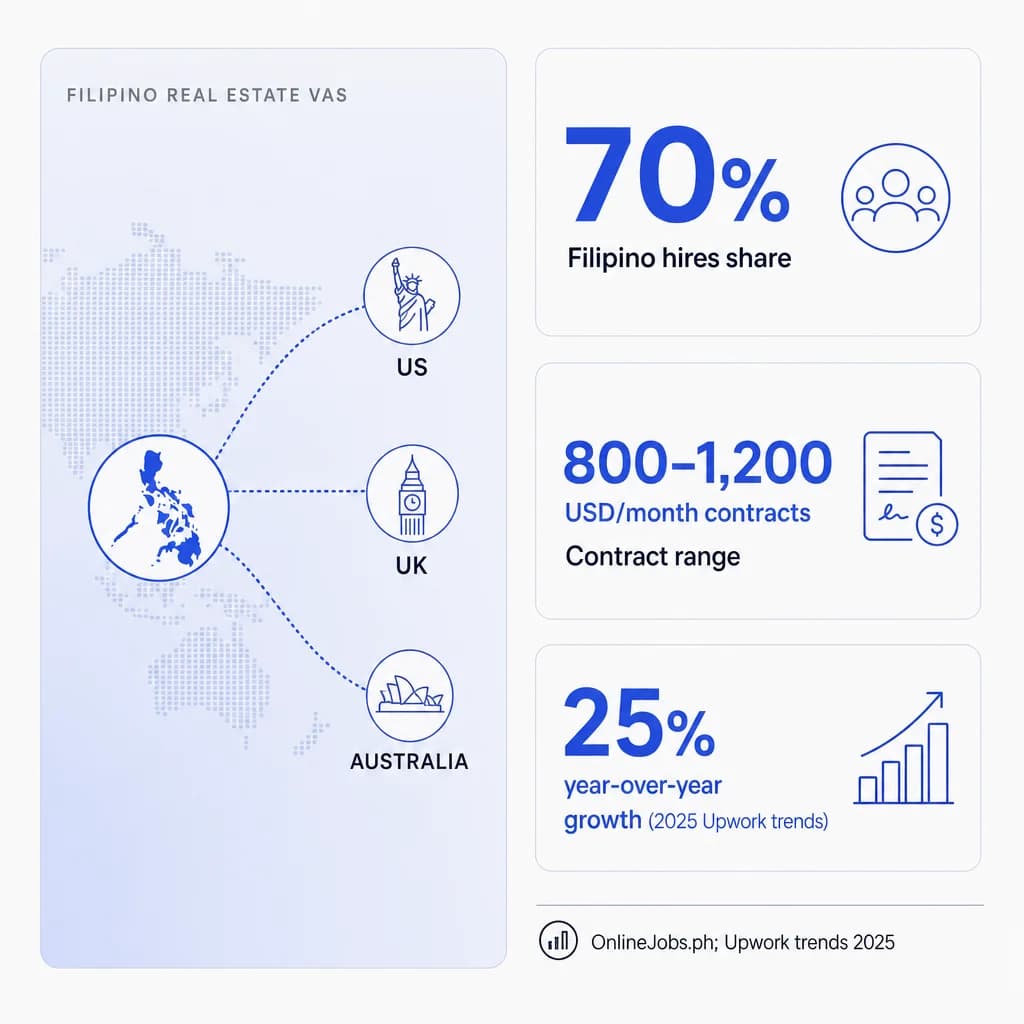
Ask them to find five appointment slots across three different time zones, US, UK, and Australia, book them in a demo Calendly, and document where they found each one.
This catches people who don’t actually understand time zones, can’t do basic research, or are subcontracting the work. You’ll see the delays and confusion in real time.
What you’re looking for: correct time zone conversions, efficient research process, and clear documentation without hand-holding.
Content and Writing
Give them a real task using your actual content. A blog post outline based on your niche. A product description rewrite. A summary of a document you use internally.
The point isn’t perfect English. It’s whether they can follow instructions, deliver what you asked for, and produce output that matches the quality level of their portfolio.
Real writers deliver something usable on the first try. Fakes submit something generic that could apply to any business anywhere.
What you’re looking for: did they actually read your brief, does the output match their claimed experience level, and is the quality consistent with what they showed you in the interview.
The Homework Assignment That Exposes Account Sharing
The live task catches most fakes. The homework assignment catches the rest.
After the live session, give them a small paid task. $5 to $10. Due in 24 hours. Something simple but specific to your business.
Then compare the homework to what they did live.
Same quality? Same approach? Same speed? You’re probably dealing with the same person.
Homework that’s suddenly worse means someone else did the live test. Homework that’s dramatically better means someone else is doing the homework.
Either way, you have a problem.
Run it through a plagiarism checker. Check for AI-generated content patterns. Look for consistency with their live performance.
The Follow-Up Call That Confirms Everything
Before you send the offer, get them on one more short video call.
Ask them to walk through their trial task submission. Explain their process. Explain their choices.
If they can’t explain work they supposedly did 24 hours ago, it wasn’t them.
Then test their memory from your first conversation. Ask what example you gave them. Ask what you said your biggest challenge was. Ask what questions they asked you about the role.
Real candidates remember these details. Fakes who had someone else do the first call will struggle.
The Numbers Behind This Approach
Employers who use live trials instead of portfolio reviews catch 80 to 90% more fakes right at the start.
Simple liveness checks during the video call catch about 7 out of 10 fraudulent applicants in the first five minutes.
The homework assignment catches another 60 to 70% of fakes who made it through the live test.
The whole process costs under $50 per candidate when you factor in your time and the small trial payment. Compare that to the $2,000 to $5,000 total cost of hiring a fake once you account for wasted salary, lost productivity, and starting the hiring process over.
The math isn’t close.
The Bottom Line
Fakes can steal portfolios. They can rehearse interview answers. They can have a skilled friend do the video call.
But they can’t fake real-time performance under pressure. They can’t explain work they didn’t do. They can’t maintain consistency across a live task, a homework assignment, and a follow-up call.
Design your trial tasks around that reality and the fakes will filter themselves out.