
The Philippines has become a global hub for remote talent from executive assistants and customer support reps to designers and marketing specialists.
But when it comes to hiring, business owners often face a critical decision: Do you hire Virtual Assistants directly as independent contractors, or go through a Recruitment Process Outsourcing provider?
Both options can deliver great results, but they differ in how you manage costs, control, and scalability. Here’s a breakdown
How Direct Hire Works in the Philippines
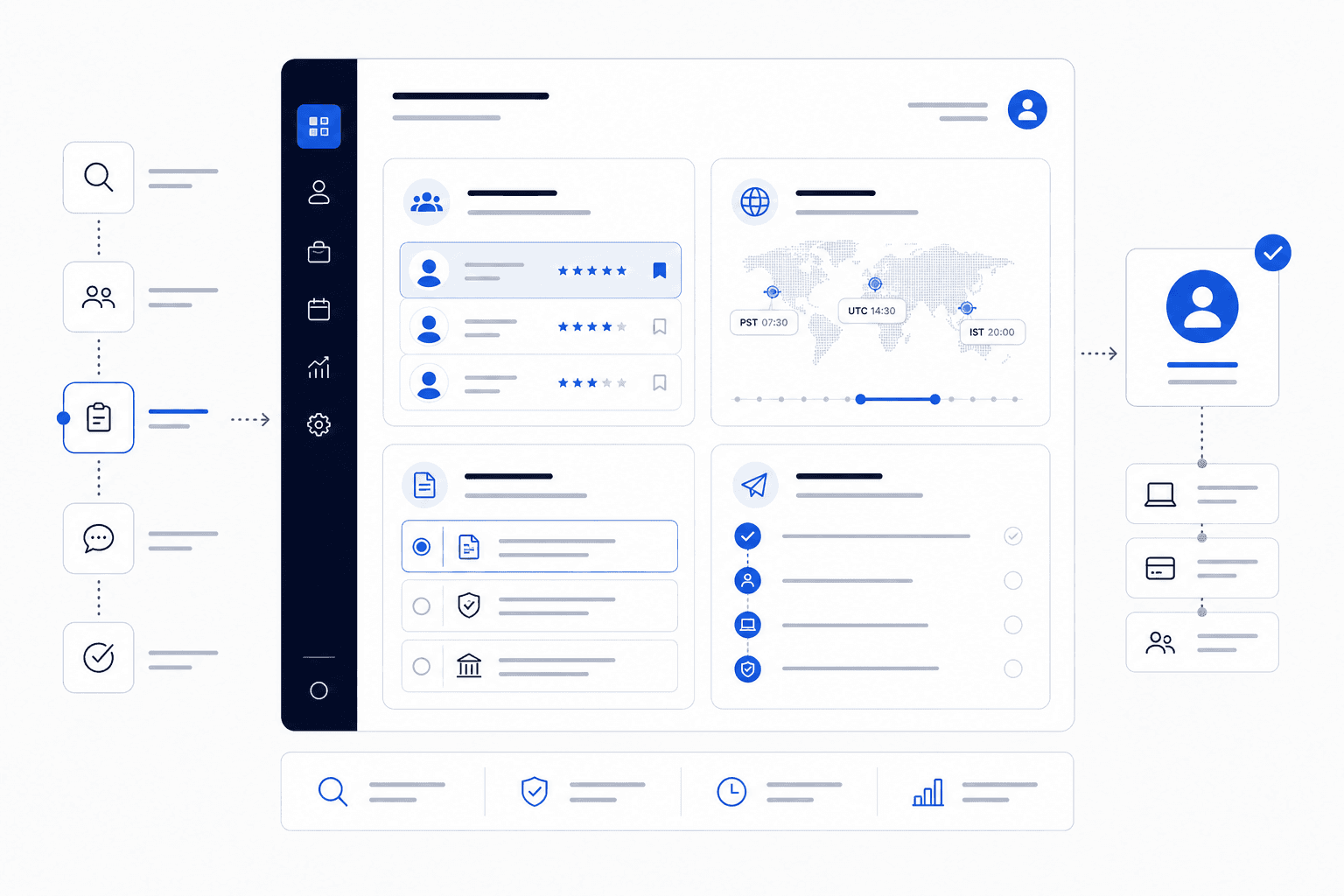
Direct hire is when you recruit Filipino remote workers yourself, posting jobs on platforms such as HireTalent.ph or LinkedIn. You recruit, screen, and manage the virtual assistant yourself.
You agree on a rate, pay them through Fintech platforms like Wise, and outline everything (deliverables, expectations) through a simple contract.
Typical rates range between $5 to $8 per hour depending on skill level, specialization, and experience.
You can scale up or down as needed, without the legal or financial commitments tied to full employment and because the VA is an independent contractor, you don’t have to manage payroll taxes, benefits, or Philippine labor compliance.
You’re simply paying for a service. The VA, on their end, is responsible for handling their own taxes and contributions locally.
It’s simple, affordable, and gives you full control of hiring, communication, and workflows.
How RPO and EOR Models Work
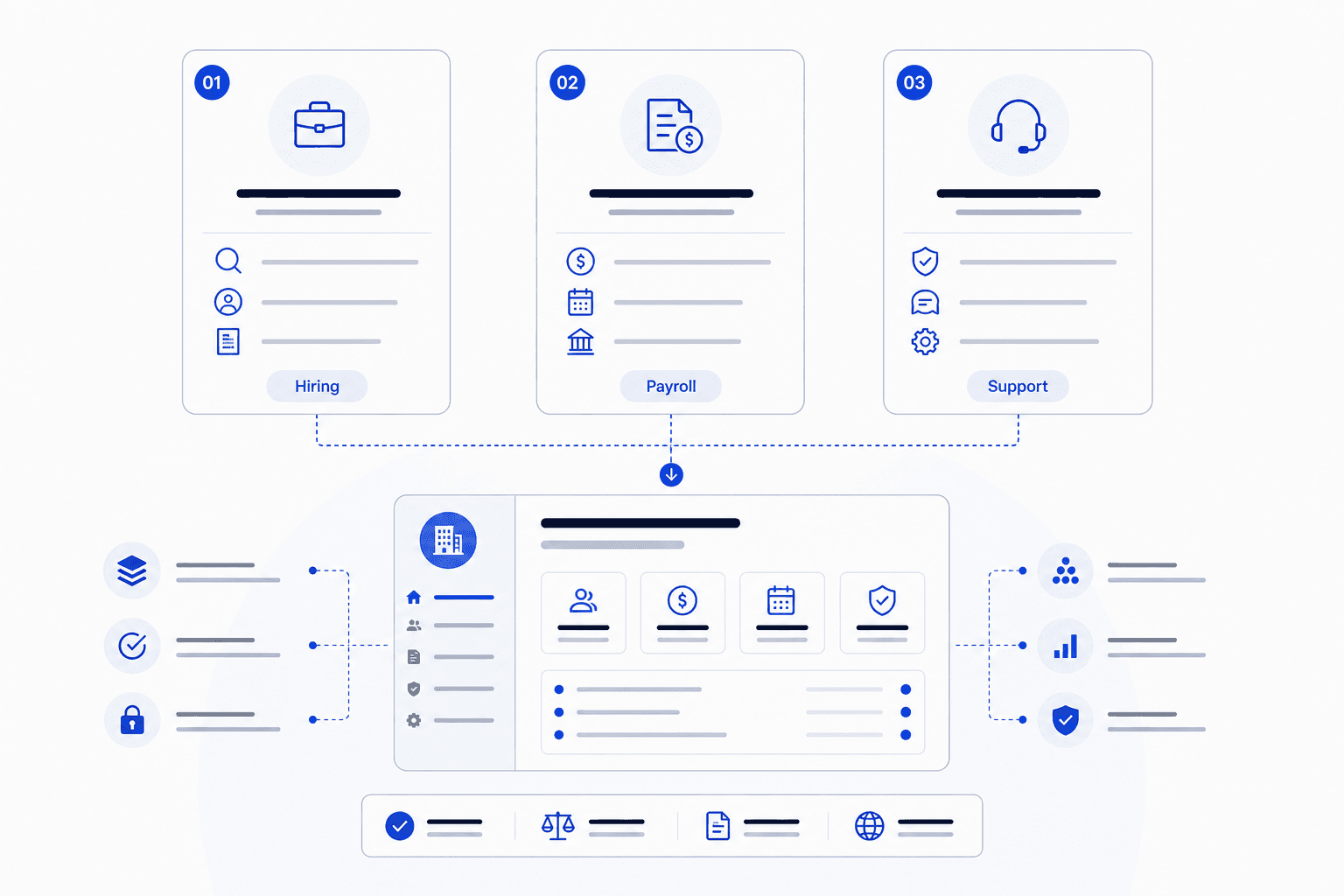
An RPO (Recruitment Process Outsourcing) or EOR (Employer of Record) model shifts the heavy lifting to a specialized partner in the Philippines. They source, screen, and onboard talent for you.
They basically become the legal employer in the Philippines, managing everything from the back end, (the contracts and benefits) to compliance with labor codes like SSS, PhilHealth, Pag-IBIG, and 13th-month pay.
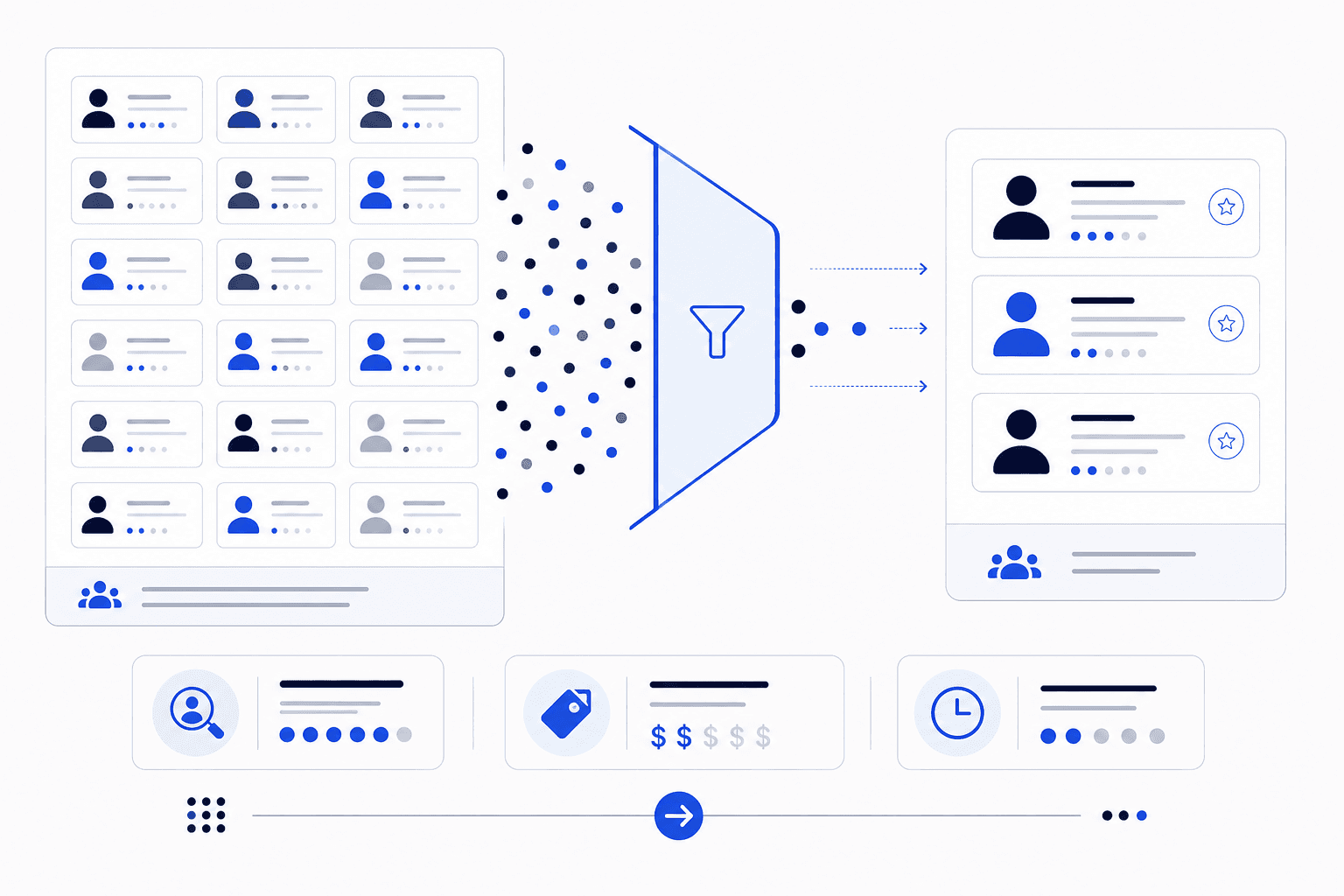
Rates are higher $12 to $20 per hour. Most agencies can fill a role within 1 to 3 days because they already have a roster of virtual assistants profile-reviewed and ready for deployment .
Direct Hire vs RPO: The Differences You Should Know
1. Control and Relationship
With direct hire, you build the relationship from the ground up. That’s ideal if you’re hands-on and want your VA deeply embedded in your team culture.
RPOs can fast-track the process but since they do the vetting, you have less initial visibility into how candidates are sourced or filtered.
On the other hand, they save you the time and may even offer replacements in case the first VA doesn’t work out.
2. Cost and Efficiency
Direct hiring is the most cost-effective route since it has no agency markups or ongoing management fees. You pay only for the VA’s work hours or agreed project rate.
RPOs charge either a one-time recruitment fee or a markup per hour/month. The premium reflects the convenience of having someone else do the sourcing, background checks, and sometimes even initial training.
3. Legal and Compliance Risk
If you’re a company based in the US, UK, EU, or Australia, hiring Filipino independent contractors does not make you an employer under Philippine law.
You’re not subject to local labor regulations, and the VA handles their own taxes and government filings.
So, you don’t assume the same risks as local employers: no mandatory benefits, no 13th-month pay, and no termination requirements under the Labor Code.
However, what is important is to have:
- A clear independent contractor agreement
- Defined scope of work, pay structure, and termination clause
- Compliance with data privacy and intellectual property, especially if your VA handles sensitive business information
4. Retention and Quality
Quality isn’t determined by the hiring model, it comes down to how you engage people once they’re on your team. Both RPOs and direct hire setups draw talent from the same Filipino market.
The difference lies in how that talent is nurtured.
When you hire directly, retention depends on how intentional you are about setting your remote worker up for success. Filipinos value reliability and a sense of belonging.
Simple things like timely payments and even recognizing local holidays build deep loyalty over time. Many direct-hire teams outperform outsourced setups because they create a more personal working relationship and stronger communication rhythm.
RPOs do make retention easier by handling HR touchpoints and offering replacement guarantees but it has its downside and that is everything goes through them first (including payments) and sometimes they might not even treat the VA fairly.
5. Scalability and Speed
If you’re hiring one or two people, direct hire works beautifully. If you’re building a full remote team, RPOs win on speed. It is as simple as that.
This can be a game-changer for agencies, SaaS companies, or e-commerce brands that need teams to scale operations fast.
The Best Way To Hire Filipino Virtual Assistants
So, does RPO or direct hire get you “better” Filipino remote workers? Not really. The talent pool is the same what changes is the system you build around it.
RPO and EOR setups shine when you need structure fast. They’re efficient and can scale your operations in days. But they also put a layer between you and your team.
With direct hire, you’re in control. You decide who to bring on, how to train them, and how to build culture from the ground up. That direct relationship often creates loyalty.
If you’re just starting out with hiring virtual assistants in the Philippines, then start with direct hire. That’s where you gain firsthand insight, learn the culture, and establish the systems that make every future hire far more effective.
Frequently Asked Questions
What’s the difference between direct and RPO when hiring Filipino virtual assistants?
Direct hire means you recruit and manage Filipino virtual assistants as independent contractors. You control selection and stay flexible without Philippine employer obligations. Recruitment process outsourcing, delegates sourcing, vetting, and onboarding to a local firm. It costs more but saves you time.
Is it legal for foreign companies to hire Filipino remote workers directly?
Yes. US, UK, and EU businesses can legally hire Filipino remote workers as independent contractors. The worker handles their own taxes and benefits locally, while the foreign client isn’t treated as an employer under Philippine law.
Which is better for long-term hiring ?
If you want control, lower costs, and closer working relationships, direct hire is the better route. If you value speed, structure, and ready-to-go candidates, RPO delivers stronger results. Many growing teams start with direct hires, then shift to RPO once volume and needs increase.