
The Philippines has emerged as a prominent source of skilled talent for companies worldwide, and it’s likely only going to get larger as more people find out about it.
So what happens when the market has more supply than demand? You need to vet them.
The 4 core things to check before hiring Filipino talent:
- Skills and expertise — Does their experience actually match what your role requires?
- English communication — Can they handle written and spoken English at the level your work demands?
- References and credentials — Do their claimed qualifications and work history check out?
- Reliability and work ethic — Will they work independently, meet deadlines, and stay long term?
These aren’t just boxes to tick. Each one catches a different type of bad hire. Skip any of them and you’re taking on risk that’s entirely avoidable.
Why Vetting Filipino Talent Matters
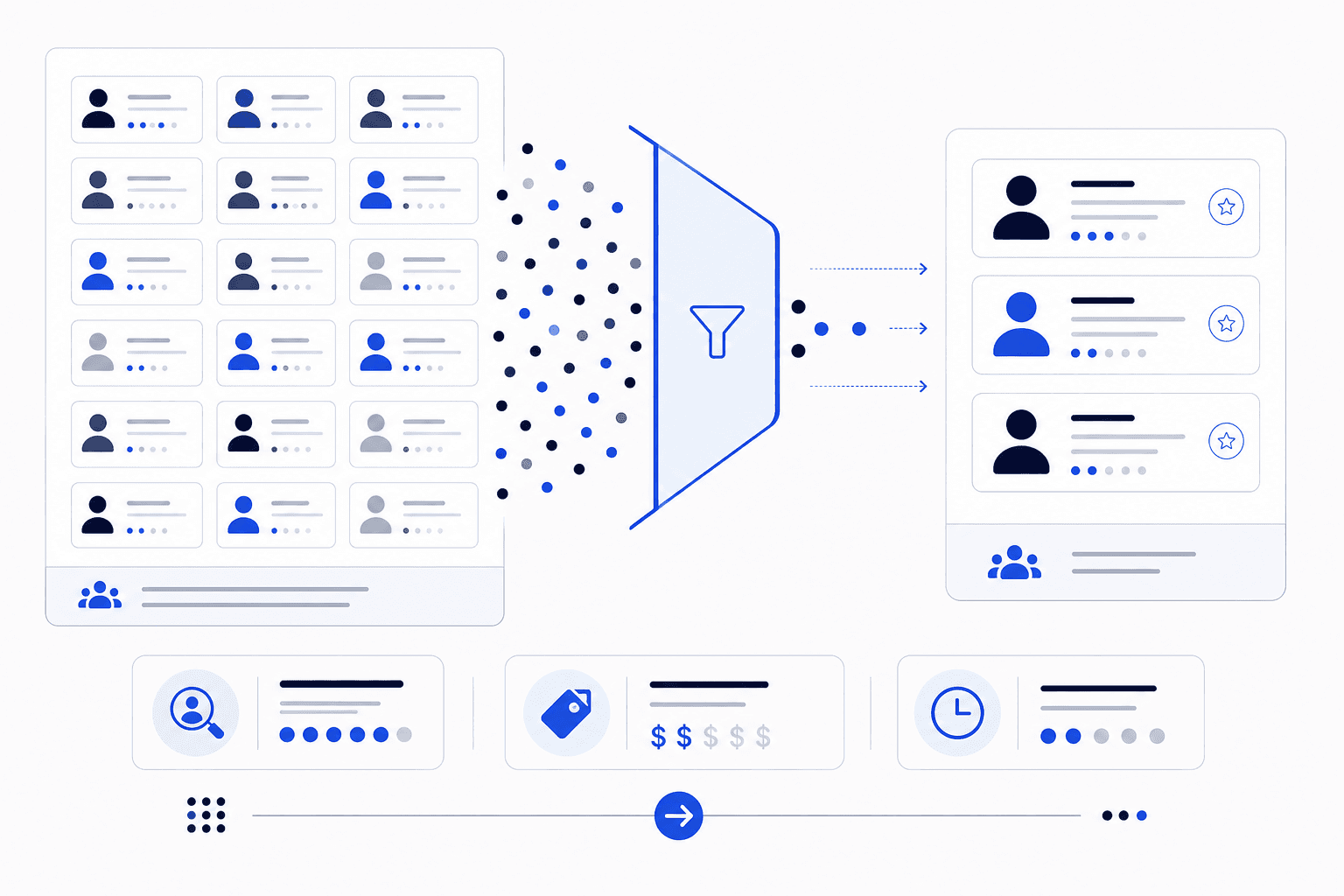
The Philippines produces a steady stream of skilled professionals. But a large talent pool cuts both ways. More options means more noise, and not every candidate who looks good on paper will be the right fit for your team.
Vetting is how you close that gap. It’s not about distrust — it’s about making sure the person you’re about to bring onto your team can actually do what they say they can do, communicate clearly, and stick around long enough to be worth the investment.
If you’ve ever hired someone remotely and had them disappear after two weeks, or discovered their “advanced Excel skills” meant they knew how to open a spreadsheet, you already know why this matters.
What Employers Should Check Before Hiring Filipino Talent
Not all vetting looks the same, but there are a few checks that apply across nearly every remote role.
Educational qualifications and certifications. The Philippines has a strong university system and many professionals hold degrees relevant to their field. Verify that credentials are real and relevant, not just listed for show.
Practical skills. A resume tells you what someone claims. A skills test, portfolio review, or trial task tells you what they can actually deliver. These don’t need to be elaborate — even a short task relevant to the role will surface gaps fast.
Work history and references. Previous employer feedback is one of the most underused vetting tools in remote hiring. A quick reference check can reveal patterns — reliability, communication style, how they handle feedback — that no interview will catch.
Communication ability. The Philippines ranks high in English proficiency globally, but individual ability varies. If your role requires frequent written or verbal communication with clients or team members, test it directly during the hiring process rather than assuming.
For a detailed breakdown of what to prioritize by role type, this guide on top skills to look for when hiring Filipino remote workers is worth reading before you post your next job.
Common Hiring Risks Vetting Helps Prevent
Most bad remote hires fall into a few predictable categories. Vetting addresses each one directly.
Skill mismatch. The candidate looked qualified but couldn’t handle the actual work. This is the most common one. A practical skills assessment or a short paid trial task before hiring solves this almost entirely.
Communication breakdowns. Remote work runs on written communication. If someone struggles to express themselves clearly in writing, it creates friction across everything — task handoffs, feedback loops, client interactions. Find this out early.
Credential inflation. Some candidates list tools, certifications, or experience they don’t genuinely have. Cross-checking and asking follow-up questions about specific projects or outcomes makes this obvious quickly.
Early attrition. Someone accepts the role and leaves within weeks. This is often a values or expectations mismatch that a better interview process would have caught. Asking about long-term goals, preferred work style, and how they’ve handled previous roles can surface this risk before you hire.
A structured vetting process doesn’t guarantee a perfect hire every time, but it dramatically reduces the chance of the avoidable ones. The step-by-step guide to hiring a VA in the Philippines covers how to build that process from the ground up.
Skills, English, References, and Work Ethic: What Matters Most?
The honest answer: it depends on the role. But here’s how to think about it.
Skills matter most when the role is technical or specialized — bookkeeping, development, design, digital marketing. You can train someone on process, but you can’t easily close a large skill gap on the job.
English proficiency matters most in client-facing, writing-heavy, or communication-intensive roles. For backend or task-based work, written comprehension matters more than fluency.
References matter most when reliability and long-term retention are critical. A reference check on someone’s previous remote role tells you more about how they’ll perform than almost anything else in the process.
Work ethic and adaptability are harder to measure but show up in how candidates handle the hiring process itself — response time, quality of their application, how they approach a trial task. Filipino workers are broadly known for their adaptability and commitment, but those traits still vary person to person. Look for evidence of it, not just the assumption.
One thing worth knowing: how long it typically takes to hire a Filipino remote worker affects how much time you can realistically spend on vetting. If you’re moving fast, front-load the checks that matter most for your specific role.
What a Strong Vetting Process Should Include
A solid vetting process doesn’t need to be complicated. It needs to be consistent.
At minimum, it should cover:
A structured skills assessment. Either a test, a portfolio review, or a short paid trial task. Something that shows actual output, not just claimed ability.
A direct communication check. Review written responses carefully during the application process. If your platform allows video or voice responses, use them for roles where communication is critical.
Reference verification. Contact at least one previous employer, especially for roles involving access to sensitive systems, finances, or client relationships.
A clear view of their work history. Not just job titles but what they actually did, how long they stayed, and what they achieved. Gaps and short tenures aren’t disqualifiers, but they’re worth asking about.
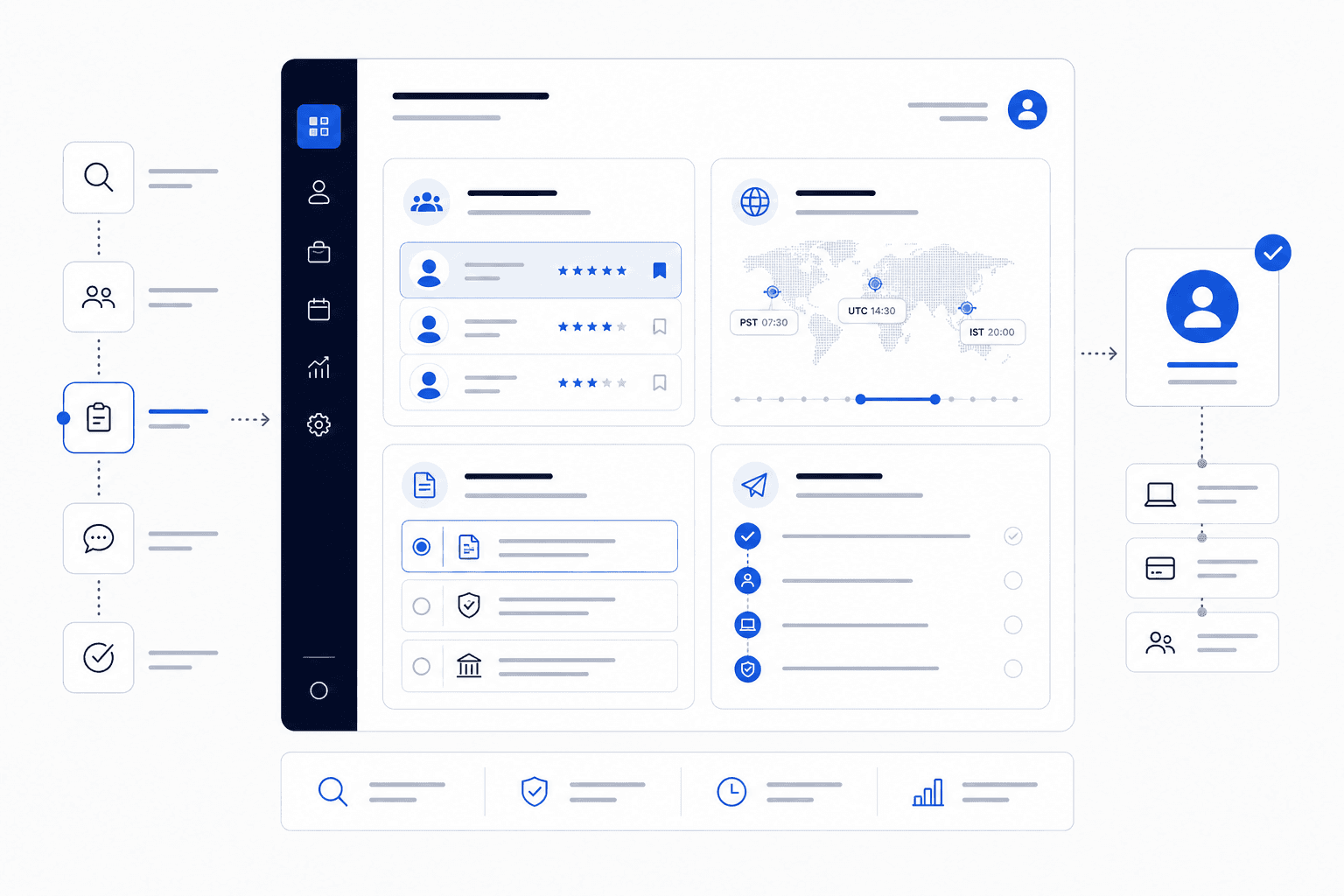
HireTalent.ph is built around making these checks easier. Talent profiles include full work history, skills with experience levels, portfolio samples, and triple verification — government ID, address, and phone. The platform’s skill assessment system lets candidates take niche-specific quizzes with scored results before you even speak to them. And the trial task feature lets you assign real work to shortlisted candidates before making a hire.
It’s a different approach from a traditional freelance platform, and if you want to understand the specific differences, this breakdown is worth a read.
How Vetting Helps You Hire Better Filipino Talent
Vetting isn’t just about filtering out bad candidates. Done right, it also helps good candidates stand out.
When you have a clear, consistent process, the people who are genuinely skilled and serious about the role will show it. The ones who aren’t will self-select out. That’s the real value — not just avoiding bad hires, but finding the right ones faster.
The Filipino talent market is large and growing. That’s good news for employers. But size means you need a reliable way to cut through. A consistent vetting process is that filter.
If you’re ready to start hiring, HireTalent.ph gives you the tools to do it without building the process from scratch.
Frequently Asked Questions
Why should employers vet Filipino talent before hiring?
The Philippines has a large and growing pool of remote professionals, which means quality varies widely. Vetting lets employers verify that a candidate’s skills, communication ability, and work history actually match what the role requires — rather than discovering the mismatch after hiring.
What should you check when hiring a Filipino virtual assistant?
The four most important checks are skills and expertise, English communication ability, references and work history, and indicators of reliability. Practical assessments and trial tasks are more reliable than interviews alone for surface-level skill verification.
How do you avoid bad remote hires?
Use a consistent vetting process for every hire: assess practical skills directly, check references, test communication quality during the application stage, and consider a short trial task before committing. Platforms with built-in verification and skills assessments reduce the workload significantly.
Why is vetting important in remote hiring?
Remote hiring removes the in-person cues that help employers assess candidates in traditional settings. That makes a structured vetting process more important, not less. Without it, skill gaps, communication issues, and reliability problems often only surface after the hire — when they’re more expensive to fix.