
Most people hiring Filipino developers for the first time make the same mistake.
They think “Philippines = cheap labor.”
Wrong.
The good mobile developers in the Philippines aren’t sitting around waiting for bottom-dollar offers.
Made some great hires. Made some terrible ones too.
Here’s what I wish someone had told me before I started.
Are you looking to hire in the Philippines and unsure where to start?
Sign up for an account and recruit your next developer within minutes!
Get StartedWhat You’ll Actually Pay (And Why Underpaying Backfires)
Here’s the realistic range for Filipino mobile developers working with US, UK, or Australian clients:
Junior developers: Usually $5-8/hour.
Mid-level developers: Around $8-15/hour.
Senior developers and technical leads: $25-40+/hour.The talent pool is smaller here, so the rates reflect that.
If you go through an agency or BPO company, you might pay $25-45/hour to the vendor.
They handle benefits, equipment, HR, local operations. More expensive per hour, but probably less headache for you.
Where to Find Filipino Mobile Developers
You’ve got a few options here.
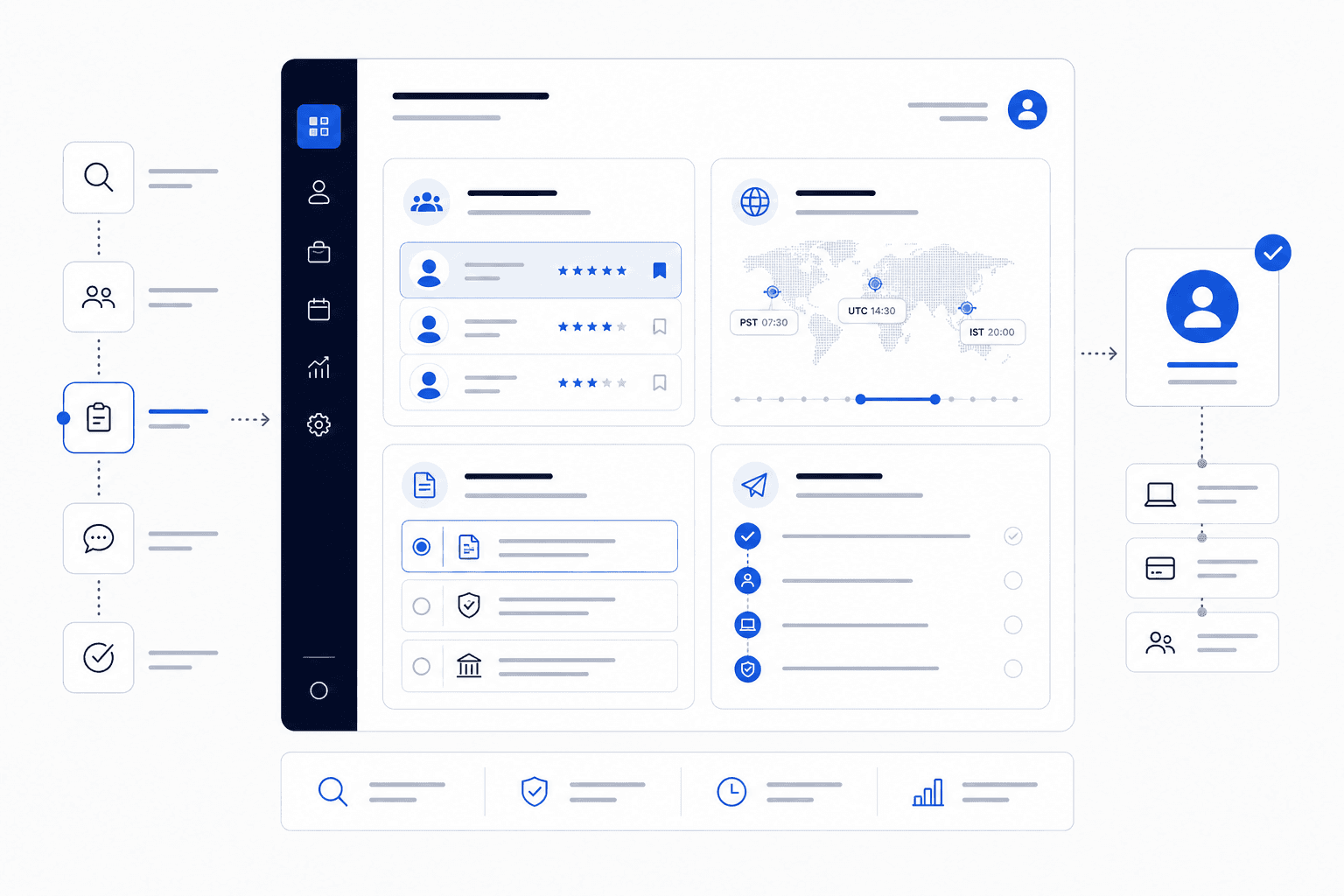
Direct hiring through job platforms: Sites like HireTalent.ph let you post jobs, review applications, and hire directly. Best when you want a direct relationship with the developer.
The upside? Full control. Better long-term loyalty once you build trust. Lower cost per hour because there’s no middleman.
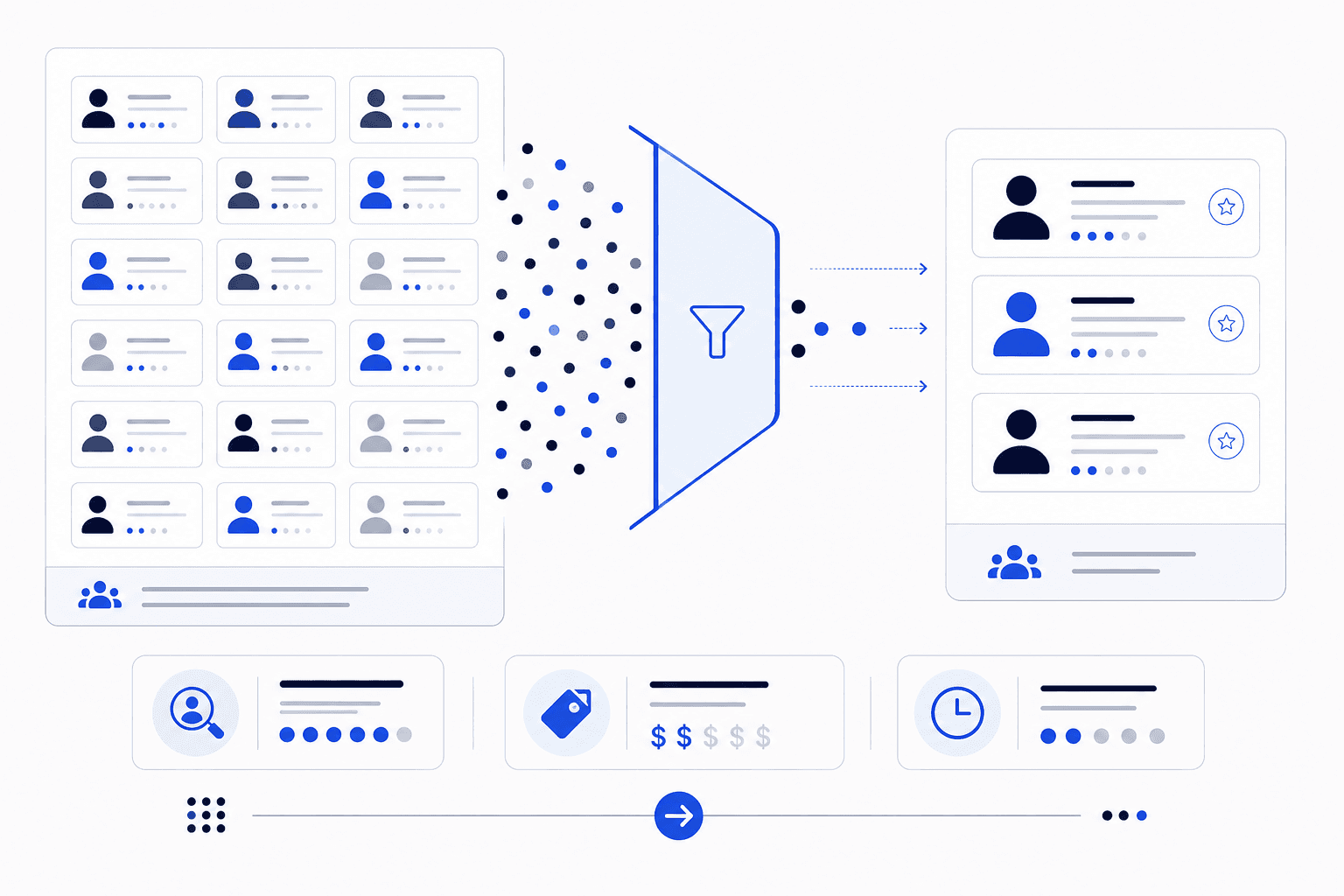
When developers apply, the platform’s AI analyzes every application across so see red and yellow flags automatically so you can spot issues before wasting time on interviews.
Global freelance platforms: Upwork and similar sites. Lots of Filipino mobile developers use these.
The problem? Wide quality spread. You’ll see everyone from legitimately skilled developers to people who took a weekend bootcamp and now claim to be experts.
Your job posting needs to be extremely specific on your tech stack and deliverables. Otherwise you’ll get 100 applications from people who can’t actually do what you need.
Agencies and BPO firms: Companies in the Philippines that will source, screen, and manage mobile developers for you.
More expensive per hour. But they remove a lot of the compliance and management overhead. Good option if you’re non-technical, or if you just want someone else to handle HR, equipment, and office logistics.
How to Actually Scope the Role
Here’s where most job posts fail.
They’re too generic. “Looking for a mobile app developer” could mean anything.
The good Filipino developers scroll right past posts like that. Be explicit about these things:
What platform(s) do you need? Android? iOS? Both? Cross-platform with Flutter or React Native?
Don’t just say “mobile app.” Say exactly what you’re building and what tools you expect them to use.
What level are you hiring?
Are you looking for someone to own architecture and make strategic decisions? That’s senior level.
Or do you need someone to implement features you’ve already designed? That’s junior or mid-level.
Seniors don’t want to be micromanaged. Juniors need more direction.
What’s the product lifecycle?
If the developer will help ship a consumer app, include release assets in the scope too. An App Store screenshot generator can turn real app captures into store-ready screenshots without asking the developer or designer to rebuild every layout manually.
Is this a one-time MVP build? Ongoing maintenance and feature development? A complete rebuild of an existing app?
Filipino developers value understanding the business goal, not just getting a ticket queue.
If you can explain why you’re building what you’re building, you’ll attract more product-minded developers.
What’s your actual tech stack?
List languages, frameworks, backend constraints, any DevOps expectations.
Android developers don’t want to be surprised with “oh by the way, you also need to manage the server.” iOS developers don’t want to find out halfway through that you actually need them to do full-stack work.
The more specific you are upfront, the better your applicant pool will be.
Screening and Vetting What Actually Works
You’ve posted the job. Applications are coming in.
Now what?
Start with a small paid test project.
Not a full hire. Not even a big trial. A small, bounded task that lets you evaluate both their code quality and their communication.
For mobile developers, a good test is: have them build or extend one feature that touches UI, makes network calls, and uses local storage. Give them a clear spec and a deadline.
Watch how they handle it and more importantly does the code actually work?
Look for reliability over perfect English.
Filipino developers don’t need to sound like native English speakers. They need to be reliable, responsive, and follow through on commitments.
Good signals:
- They respond with a written spec of how they’d approach your project before starting
- They communicate proactively when they’re blocked or behind schedule
- They write organized status updates without you having to ask
Bad signals:
- They disappear for days without explanation
- They say “yes” to everything but deliver nothing
- They avoid written communication or give vague updates
Ask situational and behavioral questions.
Generic interview questions get generic answers.
Instead, ask things like:
- “If the app crashed right after release, how would you debug and what’s your timeline for that?”
- “Walk me through how you’d approach building [specific feature from your app].”
These questions reveal how they think and how they handle real problems.
Onboarding and Long-Term Success
You’ve hired someone. Now what?
Don’t just dump a backlog on them and hope for the best.
Start with a 2-6 week trial.
Make it paid. Set clear goals. Give feedback throughout.
Treat it as a two-way evaluation. They’re figuring out if they want to work with you long-term too.
Provide structured onboarding.
Introduce them to the product. Walk them through the architecture. Explain how decisions get made.
Document your coding standards, branching workflow, and how you do code reviews.
Set clear expectations on working hours overlap, communication tools, and response times.
The more clarity you provide upfront, the faster they’ll ramp up.
Use mentorship when possible.
If you’re hiring a junior or mid-level developer, pair them with a senior mentor. Give them curated projects instead of throwing them into production immediately.
This accelerates their ramp-up and reduces mistakes.
Even for senior developers, having a technical partner in your time zone (if you have one) helps them integrate into your workflow faster.
Build a real relationship.
Filipino remote workers respond incredibly well to trust, recognition, and genuine relationship building.
If you can afford it, meet in person occasionally. Team retreats, even virtual ones, make a huge difference in retention.
Show them a growth path. Give them opportunities to learn new things and take on more responsibility.
Treat them like valued team members, not disposable contractors, and they’ll stick with you for years.
Final Thoughts
Hiring a mobile app developer in the Philippines isn’t complicated.
But it’s not as simple as posting “looking for cheap developer” on a freelance site either.
You need to know what you’re actually looking for. Scope the role properly. Pay fair rates. Screen for reliability and communication, not just technical skills.
Understand the cultural dynamics. Set up proper communication structures. Stay compliant with local law.
Do these things right, and you’ll build a relationship with a talented developer who’ll stick with you for years and help you build something great.
The good ones are out there. You just need to hire them the right way.