
You know what kills me?
Watching businesses stare at sales positions they can’t fill because the numbers don’t work.
The math is brutal. A decent B2B sales rep in the US wants $60K-$80K base, plus commission. An SDR? $50K-$70K.
For a startup or small business, that’s crushing before you even talk about benefits, payroll taxes, and all the other costs that come with a US employee.
And here’s the thing – you’re not even getting top talent at those prices. You’re getting “good enough” talent who might jump ship the second a better offer comes along.
So what do you do when you need sales talent but can’t afford US salaries?
I know what you’re thinking. “Can Filipino remote workers really handle sales?”
Let me answer that directly. Yes. But not the way you might assume.
The Real Numbers on Filipino Sales Salaries
A highly qualified Filipino sales professional, someone with real B2B experience, proven track record, excellent English typically earns $800-$1,500 per month.
Let that sink in for a second.
You’re looking at $9,600-$18,000 per year for someone who would cost you $60K-$80K in the US. Before benefits.
But here’s where it gets interesting.
What feels like entry-level pay in the US provides a comfortable, middle-class lifestyle in the Philippines.
What Sales Roles Actually Work Remotely
Not every sales position translates well to remote Filipino talent.
Let me be clear about that upfront. But there are specific sales functions that work incredibly well:
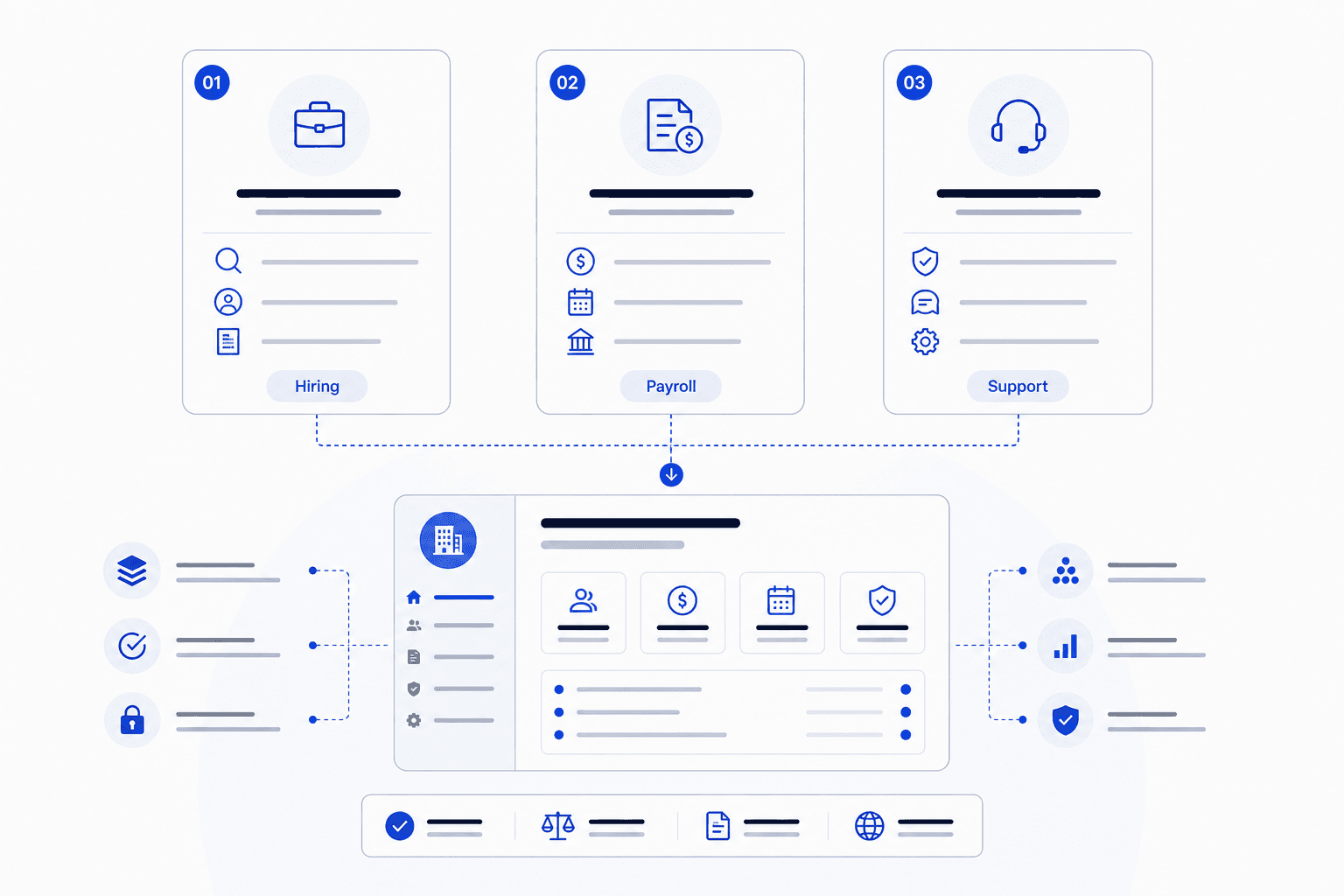
Sales Development Representatives (SDRs) – Cold outreach, lead qualification, setting appointments. This is probably the strongest fit. You can have a team of Filipino SDRs doing outbound prospecting, nurturing leads, and filling your calendar with qualified meetings.
Inside Sales – Phone-based selling, especially for lower-ticket items or transactional sales. If you’re selling software subscriptions, services, or products that don’t require in-person demos, Filipino inside sales reps can close deals.
Account Managers – Once you’ve closed a customer, Filipino account managers excel at relationship maintenance, upselling, and ensuring customer success. They’re patient, detail-oriented, and genuinely care about keeping clients happy.
Lead Response and Follow-Up – Someone needs to respond to inbound leads quickly, qualify them, and keep them warm. Filipino remote workers are excellent at this persistent-but-pleasant follow-up that prevents leads from going cold.
Sales Support and Coordination – CRM management, proposal preparation, meeting scheduling, data entry. All the administrative work that bogs down your US sales team.
The key is understanding what parts of your sales process require your expensive US talent versus what can be handled remotely.
How to Structure Commission and Incentives
Here’s where most people screw this up.
They try to apply US commission structures directly to Filipino workers and wonder why it doesn’t work.
The base salary in the Philippines needs to be solid and reliable. Unlike the US where sales reps might accept a lower base for huge commission potential, Filipino workers need stability.
Start with a competitive base salary – that $800-$1,200 range for experienced talent.
Then add performance bonuses on top. Not complicated commission plans with splits and tiers and clawbacks. Simple, clear bonuses for hitting targets.
Consider also monthly bonuses for hitting appointment-setting quotas if they’re SDRs. Straightforward.
Hit 50 qualified meetings, get a $200 bonus. Hit 75, get $400.
For inside sales reps actually closing deals, you can do percentage-based commission, but keep it simple. 5% of closed revenue up to a monthly cap, for example.
The mistake is making incentive plans so complex that people can’t figure out what they’ll actually earn. Keep it transparent and achievable.
As the team matures, a well-designed sales compensation plan should reward volume without turning growth into a margin problem.
How to Find Filipino Sales Talent (Without Getting Buried)
You have a few options for finding sales talent in the Philippines.
Post on general job boards and get buried in hundreds of applications, most of which are completely unqualified. It’s exhausting and time-consuming.
Work with a recruiting agency that specializes in Filipino talent. They’ll charge you a fee – usually 1-2 months salary – but do the initial screening.
Or use a platform designed for this exact purpose.
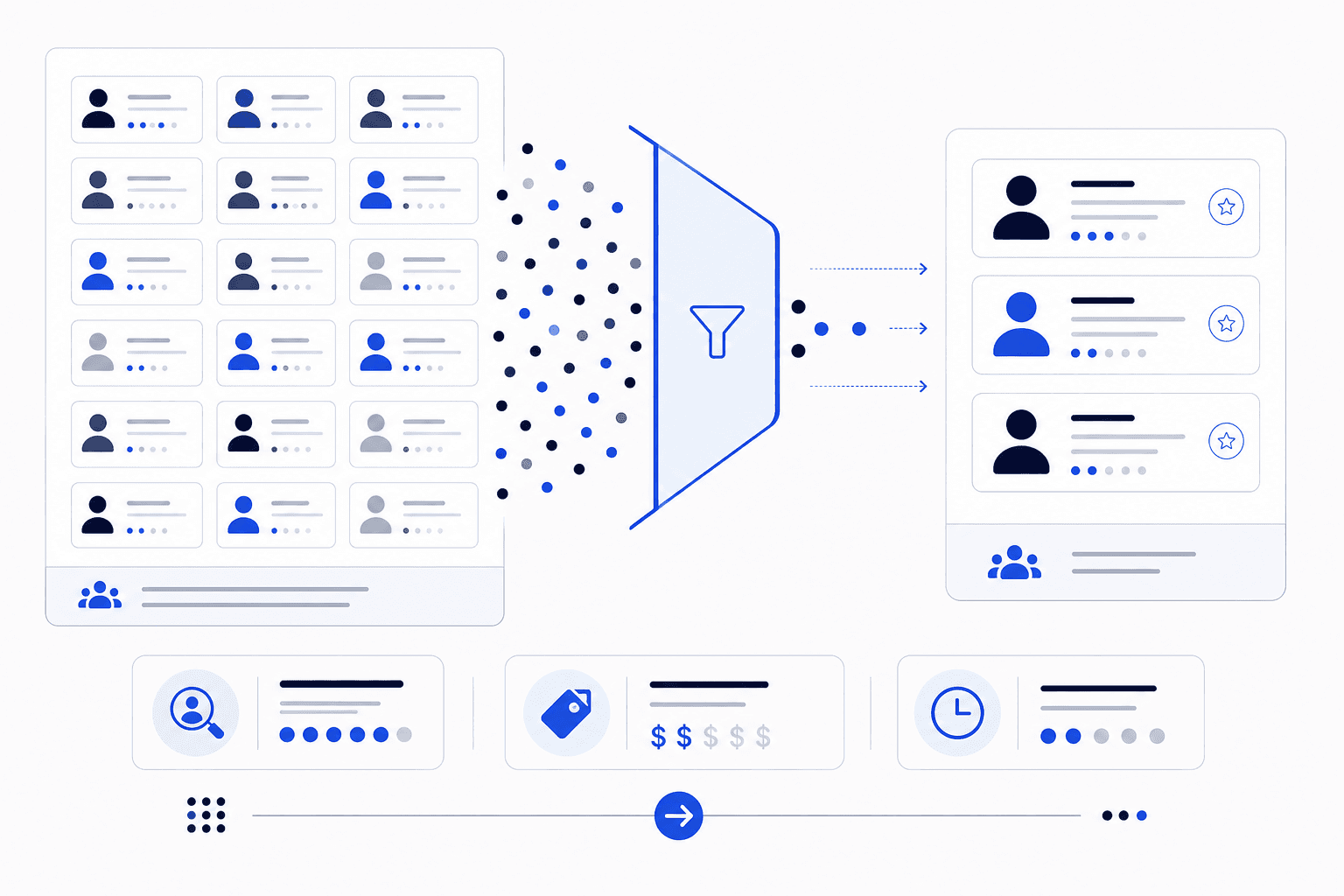
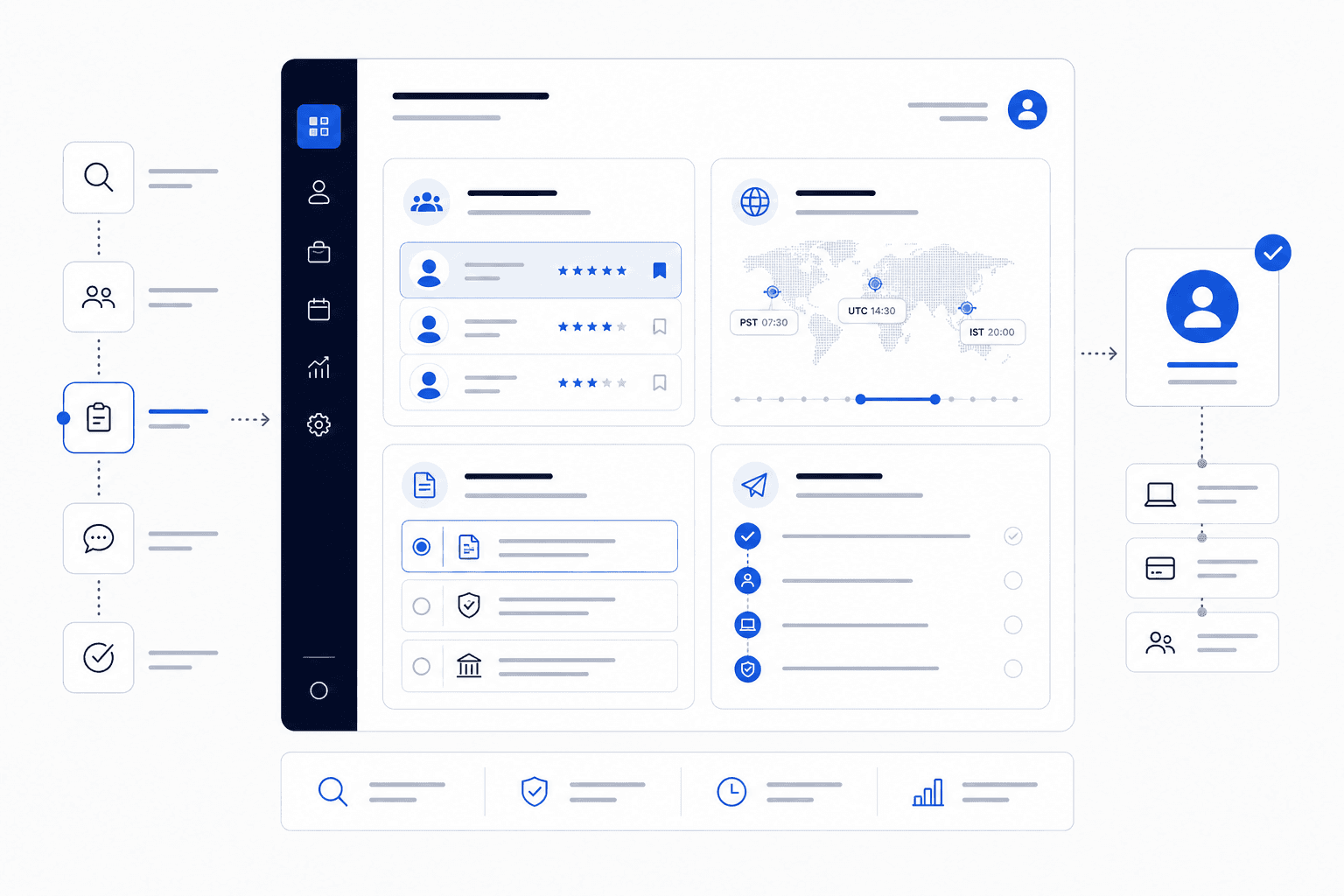
HireTalent.ph has AI-powered matching that actually analyzes candidates against your sales requirements.
Instead of sorting through 200 random applications, you get ranked candidates with detailed insights on job match, retention risk, and experience level.
The platform lets you create trial tasks too.
For sales roles, you can have candidates record a practice cold call or write sample outreach emails before you even interview them.
You see their actual skills, first hand before actually committing.
Why This Works Now (And Didn’t Before)
Ten years ago, hiring Filipino sales talent remotely was harder.
The technology wasn’t there. Video calls were choppy. Call quality was poor. CRMs were clunky.
The talent pool wasn’t as developed. Fewer Filipinos had exposure to modern B2B sales processes.
The payment systems were a nightmare. Sending international payments was expensive and slow.
All of that has changed.
Internet infrastructure in the Philippines is solid. Video and voice quality is reliable.
The BPO industry has trained millions of Filipinos in sales processes, customer service, and business communication.
The talent pool is deep.
The Bottom Line
US sales salaries are pricing small and medium businesses out of growth.
You can’t scale revenue without scaling sales capacity. But you can’t afford to hire enough US sales talent to actually scale.
The Philippines gives you a way out of that trap.
The companies that figure this out now are going to have a massive advantage over the ones still trying to make US-only hiring work.
The math is just too compelling to ignore.