
Most articles on this topic pick a side.
Agency good. Direct hiring bad. Or the reverse.
That framing misses the point entirely.
The real question is: what problem are you actually trying to solve? The answer to that question tells you everything about which route makes sense for your situation.
Recruitment Agency vs Direct Hire: Key Differences
| Recruitment Agency | Direct Hire | |
|---|---|---|
| Speed | Fast, reviewed candidate profiles within days | Slower, you run the full process |
| Cost | Higher, agency fee on top of salary | Lower, full rate goes to the worker |
| Control | Limited, agency sits between you and worker | Full, you manage the relationship directly |
| Compliance | Agency handles it | Your responsibility to structure correctly |
| Worker loyalty | Transactional by nature | Stronger, direct relationship |
| Best for | Speed, risk coverage, large teams | Cost savings, long-term roles, simple hiring |
Can Foreign Employers Hire Filipino Workers Directly?
Yes. Foreign employers can hire Filipino workers directly, and it is a common, legal arrangement.
The important distinction is how you structure the relationship. Most foreign employers engage Filipino workers as independent contractors rather than employees. This keeps things straightforward from a legal standpoint on both sides.
As a contractor relationship, you agree on a rate, scope of work, and payment terms. The worker handles their own taxes in the Philippines.
You are not required to manage Philippine payroll, government contributions, or local labor compliance for a contractor arrangement.
This is the setup the vast majority of small and mid-sized foreign businesses use when building remote teams with Filipino workers. It works, it is legally sound when structured correctly, and it does not require an agency or intermediary to make it happen.
If you want a full breakdown of how to structure this properly, the hiring Filipino contractors legal checklist covers the specifics worth knowing before you start.
When a Recruitment Agency Makes Sense
You need someone fast. Like, in-seat-doing-work-in-two-weeks fast.
You do not have time to post a job, read 147 applications, schedule interviews across time zones, create test tasks, and run reference checks.
This is where recruitment agencies actually earn their fee.
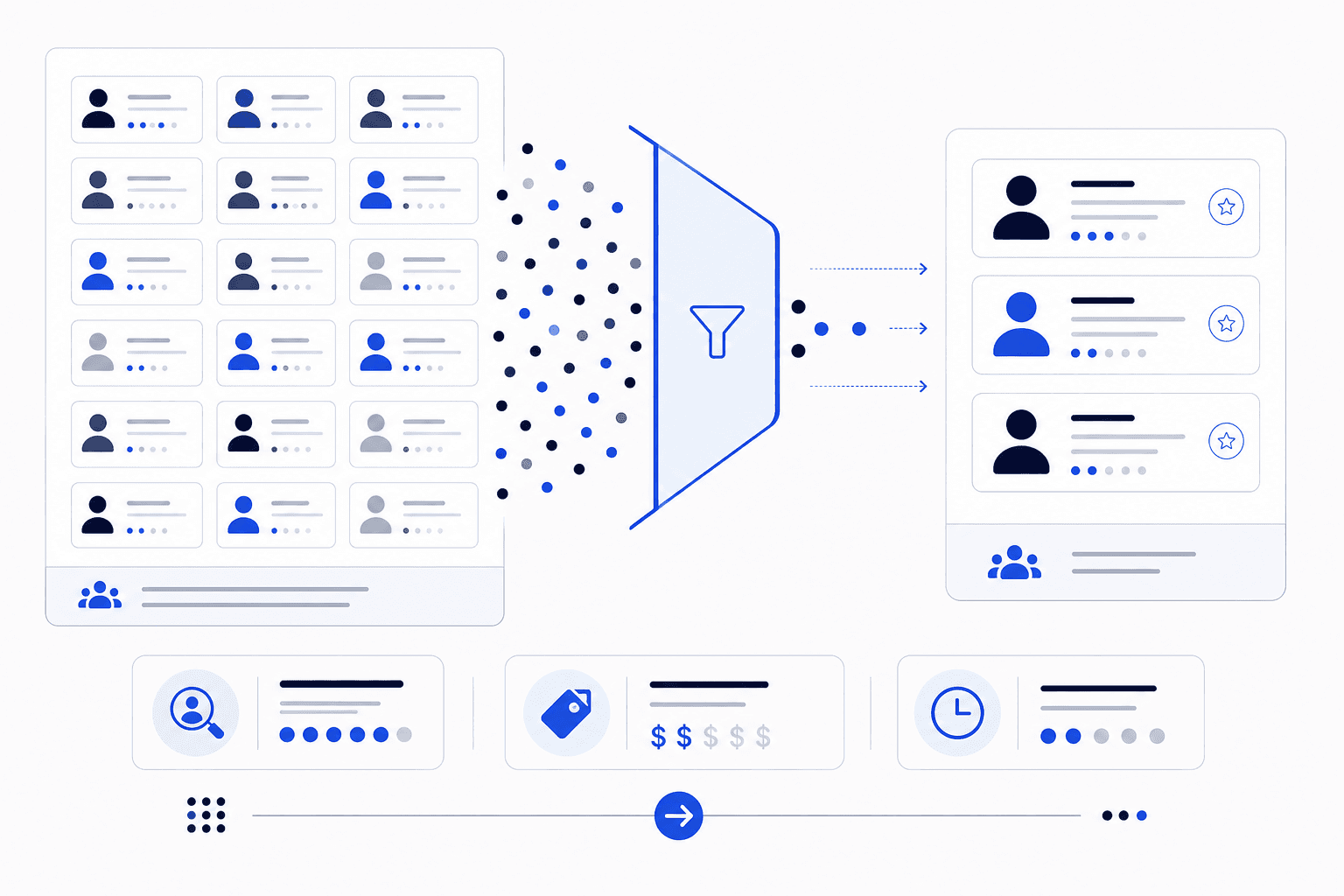
They maintain active candidate pools. They can put three to five reviewed profiles in front of you within days. You skip the part where you are drowning in resumes from people who clearly did not read your job description.
But this only makes sense if your time is genuinely more valuable doing something else. If you are between projects, if you enjoy recruiting, or if you are trying to save every dollar, agencies do not solve a problem you actually have.
How Recruitment Agencies Reduce Screening and No-Show Risk
This is the thing that keeps first-time offshore employers up at night.
What if they just stop showing up?
It happens. Life happens. Internet goes out. Family emergency. They get a better offer.
With direct hires, you are back to square one.
With agencies, someone else handles the replacement.
Here is what nobody tells you though: this protection is priced into the fee. When an agency provides replacement coverage, they are maintaining a bench of backup candidates and handling the awkward conversations when someone is not working out.
For some businesses, that is worth every penny.
If you are a solopreneur and your only remote team member disappearing would break your operation, you are in risk-sharing territory.
If you have other team members who can cover, or systems that survive someone leaving, you probably do not need that insurance.
Compliance Differences Between Agency Hiring and Direct Hire
Most foreign employers do not know what a 13th month payment is. They do not know the difference between a contractor and an employee under Philippine labor law. They do not know about SSS, PhilHealth, and Pag-IBIG contributions.
If you are hiring one person as a contractor, you can usually keep things simple. It is not complicated.
If you are building a team of five, ten, or twenty people? The compliance picture gets messier fast.
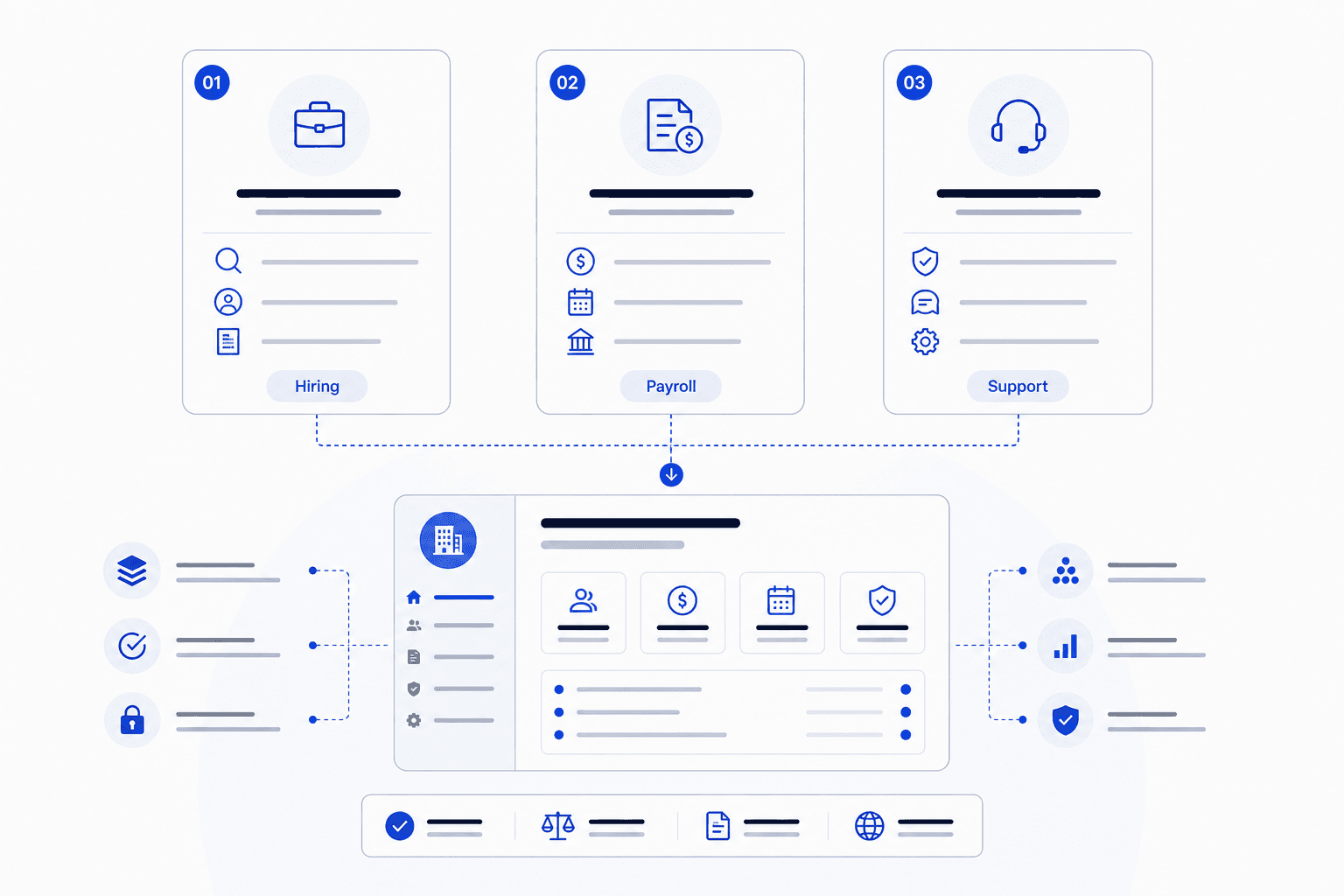
Recruitment agencies and BPO arrangements can handle this entire layer. They become the employer of record. You pay them, they handle everything on the backend.
The question is whether you want to run your own HR and payroll operation for your Philippine team, or pay someone to own that complexity.
For a plain-language breakdown of what foreign employers actually need to know, the why hire in the Philippines page covers the compliance context worth understanding before you scale.
When Direct Hire Makes More Sense
You have time to invest in the process and budget is tight.
Hire direct. No question.
The margin agencies add goes straight to the worker when you hire direct. You pay market rates and still save significantly compared to domestic hires.
Agencies often take a larger share than you would expect. Workers know this. The good ones often prefer direct client relationships.
If you are hiring for admin support, data entry, social media management, or inbox management, you do not need an agency’s entire machine. Post a clear job description, include a simple test task, run one or two interviews, and pay fairly.
You will find someone good. The talent pool for these roles is large.
The how to hire guide walks through exactly what that process looks like if you have never done it before.
Cost vs Control: What You Gain and Lose With Each Option
Direct relationships with remote workers tend to feel more personal, more flexible, and more human.
You can adjust schedules without asking permission. You can give raises without negotiating with a middleman. You can build a growth path that makes sense for both of you.
Filipino workers consistently say they feel more valued in direct client relationships. They can negotiate their own rates. They can speak up about what is working and what is not. They do not feel like a number in an agency roster.
If you want a true right-hand person who grows with your business for years, someone who becomes genuinely irreplaceable, direct relationships almost always work better.
Agencies are transactional by nature. Even the good ones.
When a Hybrid Hiring Approach Works Best
The choice is not always binary.
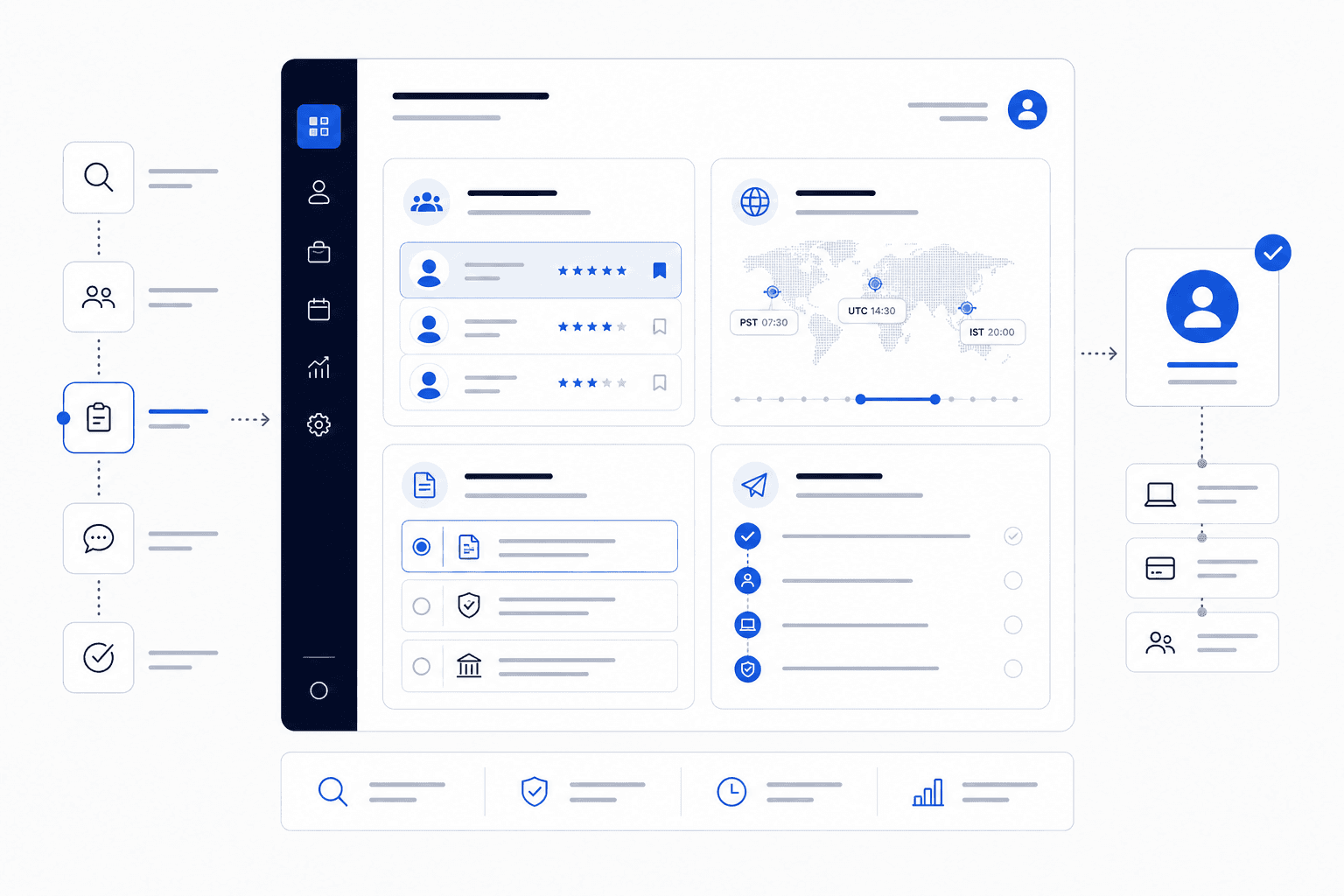
Platforms that connect you directly with Filipino talent sit right in the middle of this. You get direct access to workers, but with structure that agencies typically provide: verified profiles, a structured application process, the ability to see how well candidates match your job requirements, and trial tasks to test skills before you commit.
It is the control and relationship quality of direct hiring, with guardrails that help you avoid costly mistakes. For employers who have never hired remotely before, this is usually the best starting point.
The never hired guide is worth reading if you are approaching this for the first time.
Which Option Is Best for Your Hiring Situation?
Stop asking “should I use an agency?”
Start asking “what problem am I actually solving?”
If it is speed, hard-to-find skills, risk coverage, or compliance management, agencies often make sense.
If it is cost, control, relationship depth, or a straightforward role, direct hiring usually wins.
Neither approach is inherently better. They are just tools. Use the right one for the job.
And if you are not sure? Start with one direct hire for a simple role. Learn the process. Learn the market. Learn what good looks like. Then decide whether you want to scale that yourself or bring in help.
You will know the answer once you have actually done it once.
FAQ
Can foreign employers hire Filipino workers directly?
Yes. Foreign employers can hire Filipino workers directly as independent contractors. This is a legal, common arrangement that does not require an agency or intermediary. The worker handles their own Philippine taxes, and the employer is not required to manage local payroll or government contributions for a contractor relationship.
Is direct hire banned by POEA?
POEA direct hire restrictions apply to outbound recruitment, specifically to overseas Filipino workers being deployed abroad through formal employment channels. They do not apply to foreign employers hiring Filipino workers remotely for online or home-based work. A foreign company hiring a Filipino remote worker as a contractor is a separate arrangement entirely and is not governed by POEA deployment rules.
Is it better to apply directly or through an agency?
For workers, direct client relationships typically offer better pay, more flexibility, and stronger long-term career growth. Agencies take a portion of the rate, which reduces what the worker receives. For roles with straightforward requirements, applying directly tends to produce better outcomes for both the worker and the employer.
When should employers use a recruitment agency instead of direct hire?
Agencies make the most sense when you need someone quickly and do not have time to run a full hiring process, when you are building a large team and need compliance and payroll managed, or when the role requires specialized skills that are hard to screen for without expert help. For most standard remote roles, direct hiring is the more cost-effective and flexible option.