
I’m going to be straight with you.
Scaling from zero to five Filipino remote workers isn’t complicated. But most people mess it up because they either move too fast or overthink it.
Here’s what actually works.
Are You Looking to Hire in the Philippines and Unsure Where to Start?
Get StartedMonth 1: Your First Hire
Start simple.
Your first remote worker should handle email management, scheduling, research, and basic admin work. Nothing fancy. You’re proving the model works before you build on it.
Don’t hire a specialist yet. You need someone adaptable who can touch multiple areas of your business.
Finding Your First Remote Worker
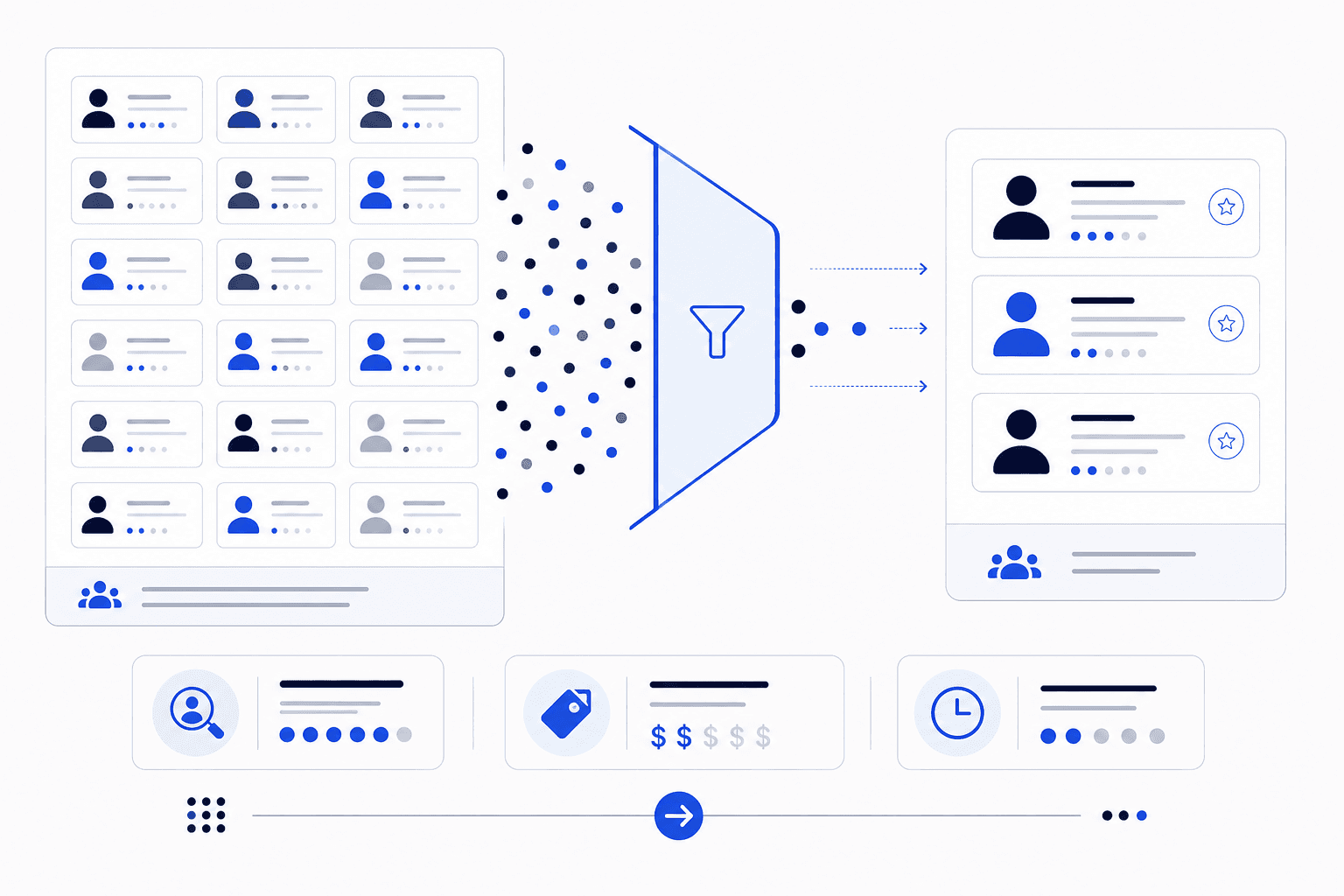
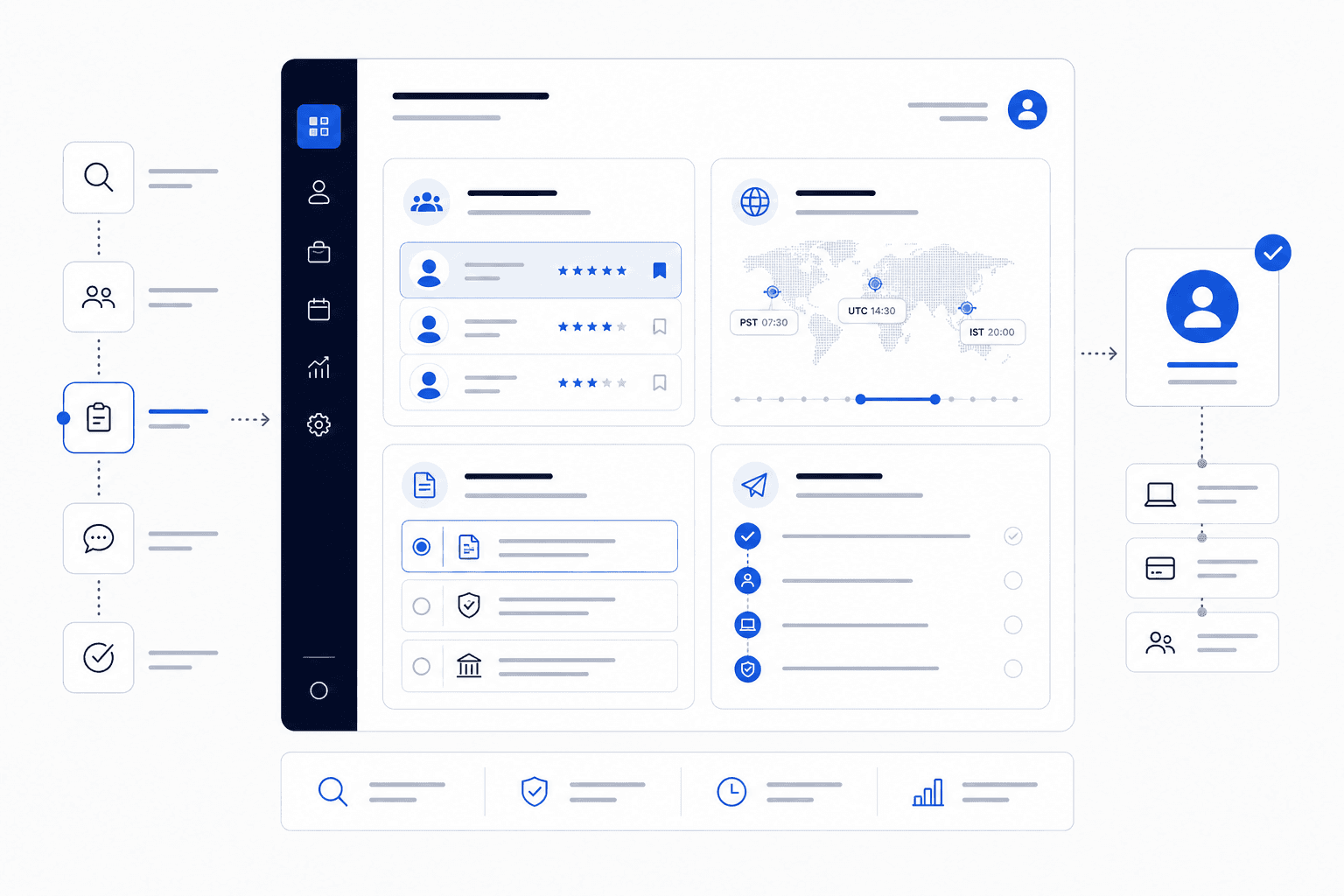
You need a platform built for this. HireTalent.ph gives you access to reviewed Filipino talent profiles without the guesswork of sorting through hundreds of random applications.
You want someone with strong English skills and quick adaptability. Experience is nice but not required.
Some of the best remote workers I’ve seen started with zero experience but had the right attitude.
Setting Up Your Tech Stack (Before Day 1)
You need tools in place before your first hire starts.
Task management: Asana or ClickUp
Communication: Slack or Teams
Documents: Google Workspace or Notion
Time tracking: HireTalent’s Time Tracker
Password management: 1Password
The Critical First Week
Plan to spend 30–60 minutes per day in week one.
Daily 5-minute check-ins. Not long meetings. Just quick touchpoints.
Create clear SOPs for:
-
Working hours (match their schedule to your time zone)
-
Quality standards
-
How to ask for help
-
How you give feedback
Here’s something most people miss: Filipinos come from BPO backgrounds where they’re trained to follow processes. They’re great at it. But they won’t always speak up when something’s confusing.
Ask specific questions. “What’s most confusing here?” works better than “Any questions?”
Why the First 30 Days Matter Most
Do this for the first 30 days.
Your first hire sets your culture. If you half‑ass the onboarding, you’ll pay for it later with mistakes and confusion that compound over time.
Poor onboarding in month one creates problems that multiply when you add person two, three, four, and five. Get this right once, and everything else gets easier.
Months 2–6: Growing to Five People
Wait 2–3 months before hire number two.
I know you’re excited. I know you see the potential. Wait anyway.
You need to see solid performance from your first person. You need your systems tested. You need to know this actually works for your business.
The Hiring Pace That Actually Works
Add one person every 4–6 weeks after your first hire proves out.
That’s one new person per month if you’re moving fast. One every six weeks if you’re being cautious.
Don’t batch-hire 3–4 people at once unless you have a team lead with bandwidth to train them. Cohorts bond faster when hired together, but only if someone’s there to manage them properly.
|
Timeline |
Hiring Pace |
Your Time Investment |
Key Addition |
|---|---|---|---|
|
Month 1 |
First hire |
30–60 min/day |
Tools + SOPs |
|
Months 2–3 |
Prove the model |
30–60 min/day |
Performance baseline |
|
Months 3–6 |
Add 4 more people |
15–30 min/day |
Team lead |
When to Promote a Team Lead
At 2–5 people, you need coordination.
Promote your top performer to team lead, or hire someone external with BPO management experience.
This is the shift that lets you scale beyond five people later. Your time drops from 30–60 minutes daily to 15–30 minutes once you have a lead handling day‑to‑day execution.
Time Zone Strategies (Your Secret Weapon)
If you’re US East Coast or UK: Use overnight delivery. Hand off work at your end of day, wake up to completed tasks.
If you’re Australia: Leverage the 2–3 hour overlap for real-time collaboration on customer service or anything requiring back‑and‑forth.
UK and AU clients average 90–100 hours per month per remote worker. That’s lighter than full‑time US roles, but it works because of the time zone efficiency.
Your Daily Management Routine at 2–5 People
15–30 minutes per day:
-
Task prioritization
-
Quality reviews
-
End-of-day wrap-ups
Use Asana boards with templates. Build workflows that repeat. Your lead handles execution. You handle strategy and spot‑check quality.
The Infrastructure That Keeps Five People Stable
Here’s where most small teams fall apart.
They treat remote workers like they’re still a one-person operation. Informal management. No documentation. Everything in someone’s head.
That doesn’t scale.
Document Everything Before Hire Number Two
Create SOPs for every repeated task. Build templates. Set up reporting dashboards that show workload and completion rates.
This feels like overkill when you’re at one or two people. It’s not.
When you’re at five people and something breaks, you don’t have time to figure out who knows what. You need documentation.
Building Your Communication Structure
Weekly one-on-ones with your team lead
Monthly team meetings with everyone
Filipinos thrive on recognition. Public praise matters. Small awards matter. The 13th‑month pay bonus (standard in the Philippines) matters.
These aren’t “nice to haves.” They’re retention tools.
Retention Strategies That Actually Work
Losing one person when you only have five hurts.
Replace them before it happens by checking satisfaction proactively through surveys and direct conversations. Build career paths — VA to team lead, for example. Show people where they can grow.
The cost of replacing someone at this scale is high. Not just in money, but in lost momentum and team morale.
What This Actually Costs
Tools: $30–60 per person per month
Base salaries: $700–1,200 USD depending on role and experience (check rates annually)
Retention budget: Add 10–15% for bonuses and team events
Track cost‑per‑output. If you’re hiring for email management, know your cost per email handled. If it’s customer support, track cost per ticket.
Review monthly. The ROI needs to sustain or you’re just burning money.
What Kills Small Remote Teams (And How to Avoid It)
I’ve seen this pattern over and over.
Poor onboarding in month one. No SOPs before hire two. Treating management as informal instead of systematic.
The Success Pattern vs. The Failure Pattern
Teams that succeed treat this like engineering. They build processes. They document. They promote leads who manage execution while owners focus on strategy.
Over 1,000 placements show the same thing: successful small teams drop owner involvement to 30–45 minutes daily because they built the infrastructure early.
Teams that fail keep the owner in the weeds because they never systematized. They’re constantly firefighting instead of building.
The Three Non-Negotiables
-
Invest time upfront in onboarding (30–60 min/day for first 30 days)
-
Document before you scale (SOPs ready before hire #2)
-
Promote or hire a lead (at 3–5 people)
Skip any of these and you’ll hit a wall around person three or four.
Your Next Step
You don’t need to figure this out from scratch.
HireTalent.ph connects you with Filipino remote workers who are ready to start. the platform supports profile review, so you’re not sorting through hundreds of applications hoping to find someone good.
Start with one hire. Prove it works. Then build from there.
Six months from now, you’ll have five people handling work that used to eat your entire day. The math works. The time zones work. The talent is there.
You just need to start.