
You’re trying to hire remote workers from the Philippines, and you’ve hit the first fork in the road. Do you post a job and hire directly, or do you go through an agency that handles everything?
Here’s the thing nobody tells you upfront. Both options tap into the exact same talent pool. The difference isn’t about finding better people.
It’s about how much control you want, how much you’re willing to pay, and what kind of relationship you’re trying to build.
Let me break down what actually matters.
How Direct Hiring Works for Filipino Remote Workers
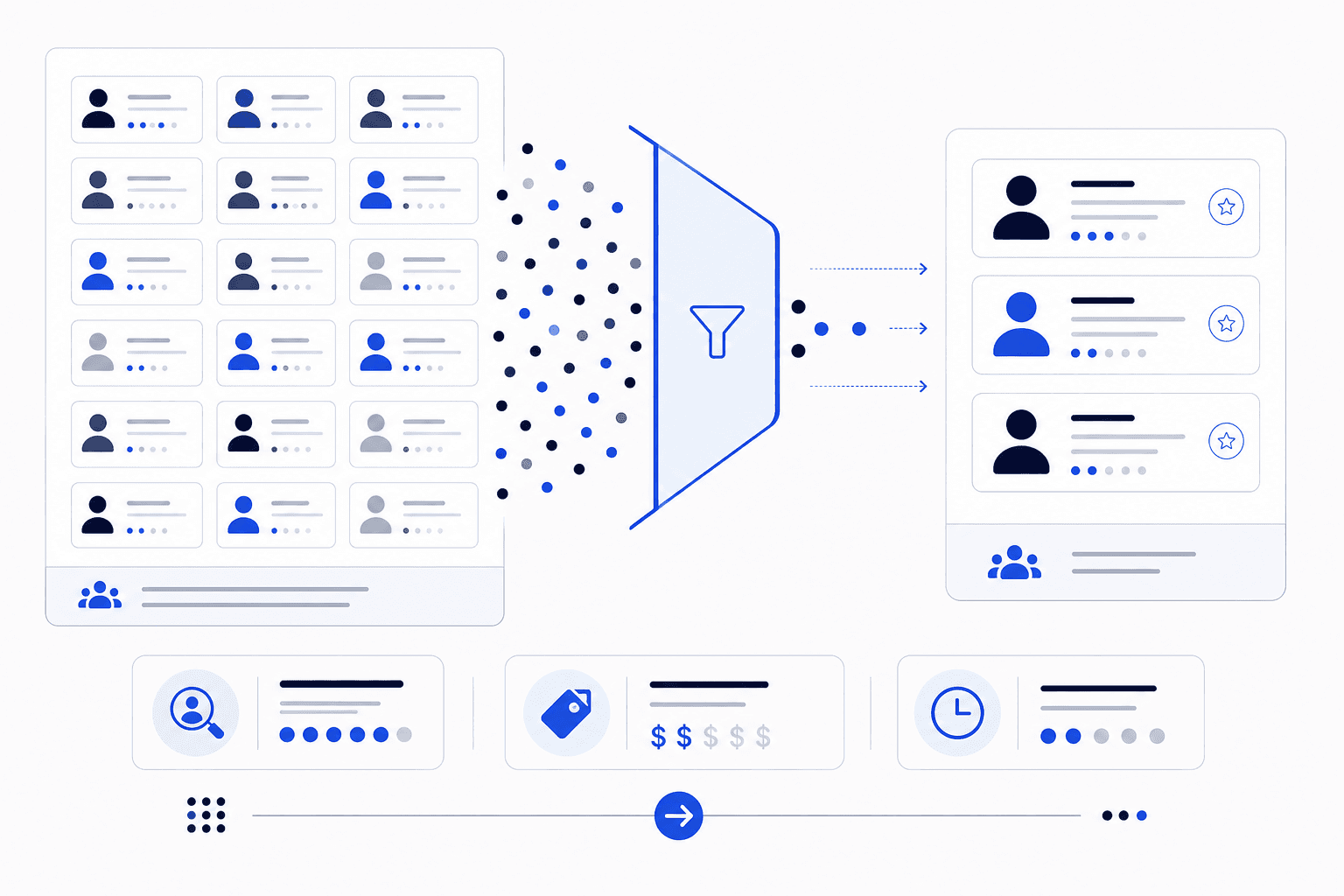
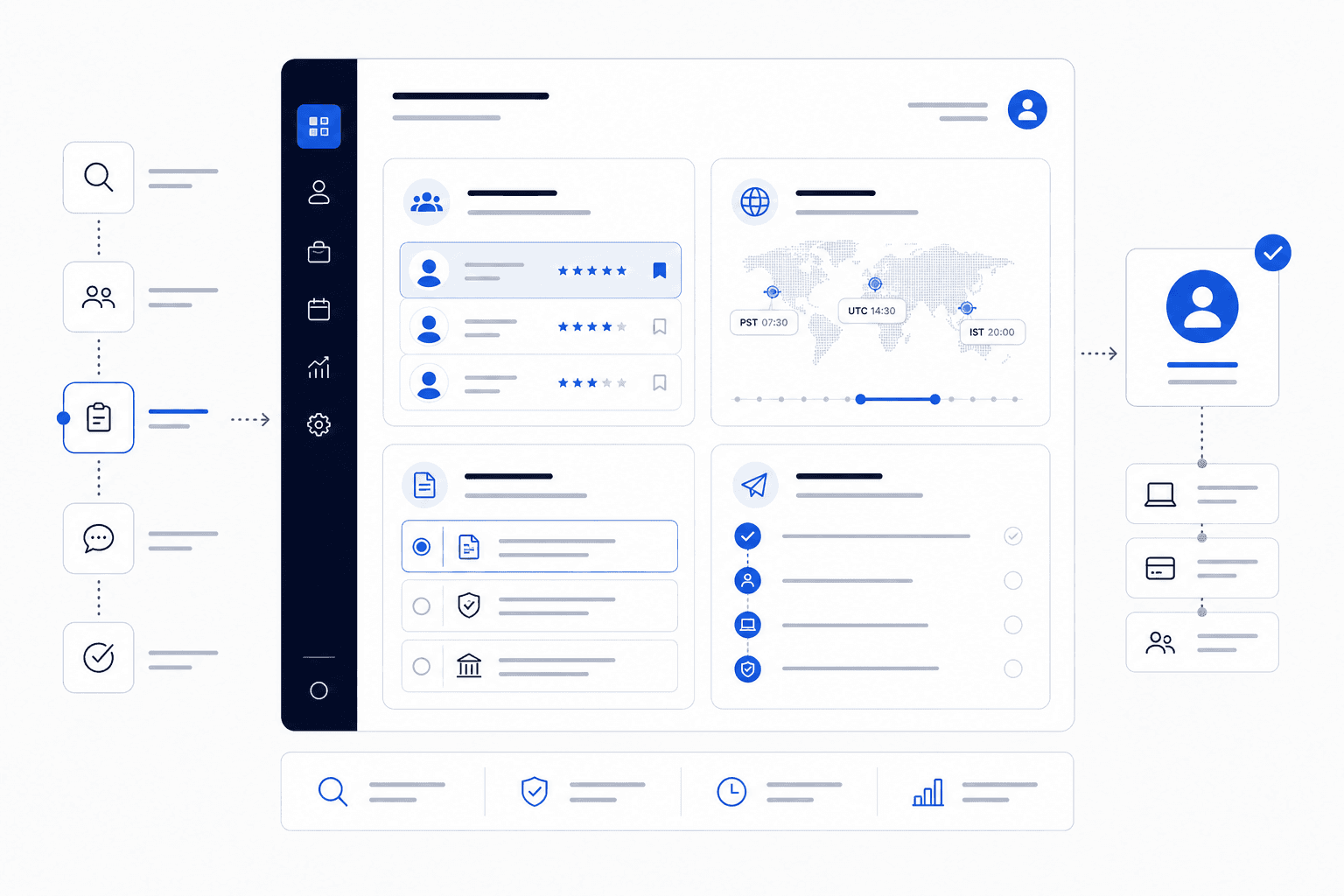
Direct hiring is basically you posting your job on platforms like hiretalent.ph. You screen resumes, conduct interviews, give them a trial task and make the offer.
The money goes straight from you to them. You send payment through Wise, PayPal, or whatever method works for both of you.
What makes this appealing is you’re not paying agency markups and you’re creating a direct line. But there’s a catch. You’re responsible for everything from building an onboarding process to managing the relationship day to day.
The legal side is simpler too. When you hire Filipino remote workers as independent contractors, you don’t have to deal with Philippine employer obligations.
This model works exceptionally well when you’re hiring one to five people and you want flexibility.
How Outsourcing Agencies Handle Filipino Remote Hiring
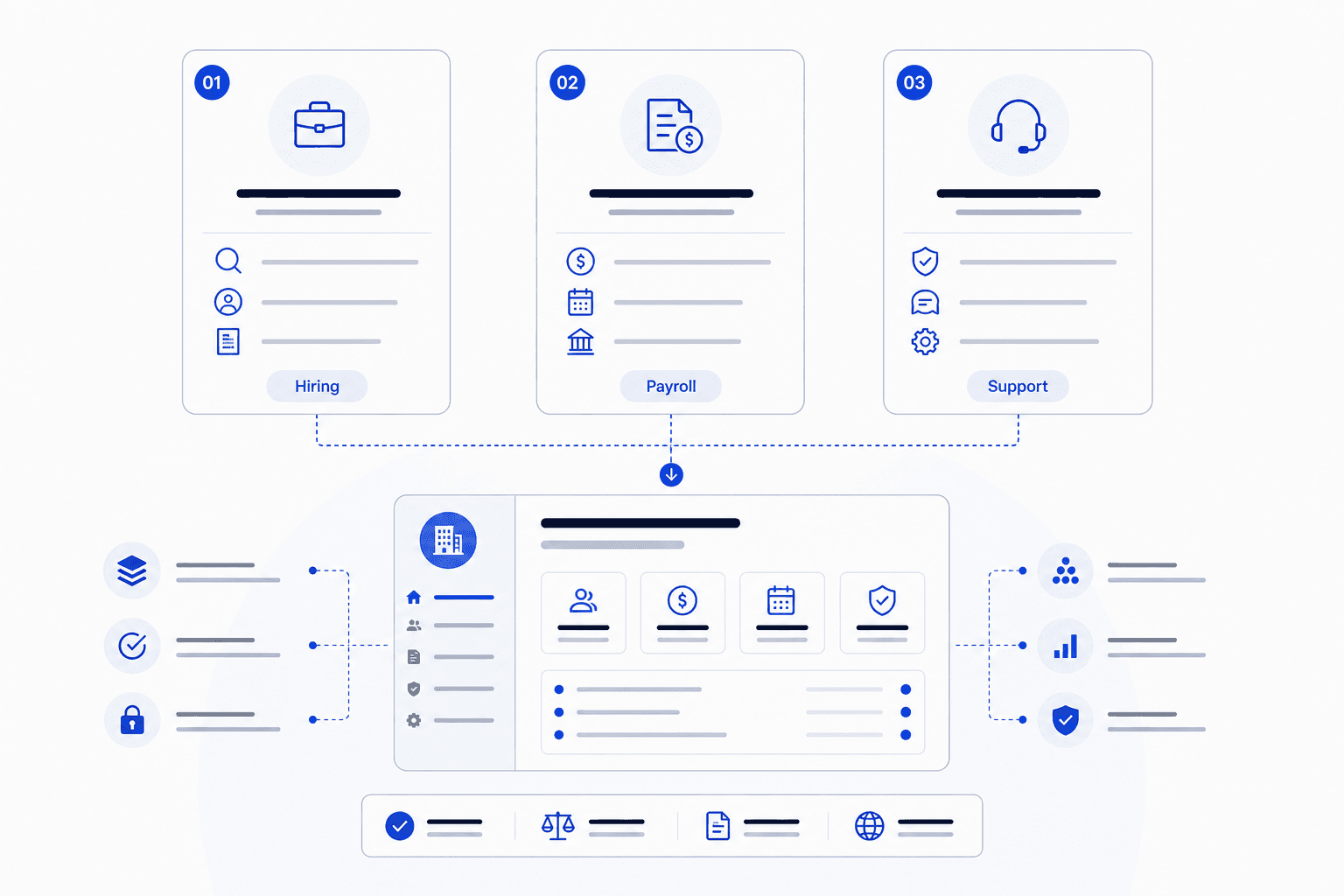
Outsourcing agencies flip the script entirely. They handle recruitment, screening, training, payroll, HR management, and ongoing performance oversight.
You tell them what you need, they find the people, and you manage the work output while they manage everything else.
The cost structure reflects this convenience. Agencies charge either an hourly markup on top of the worker’s pay or a substantial recruitment fee upfront.
You’re paying for speed, reduced risk, and the infrastructure they’ve already built.
This becomes powerful when you need to scale fast. Building a team of 20 or 30 people. Doing that yourself through direct hiring would be a full-time job in itself, and you’d probably make expensive mistakes along the way.
The tradeoff is control and cost. The workers are technically employed by an agency, not you. Your relationship is mediated. It works, but it feels different than having someone report directly to you. And you’re paying a premium for that managed service layer.
Which Model Actually Costs Less
Let’s talk real numbers without the marketing spin.
| Factor | Direct Hire | Agency Hire | Notes |
| Hourly Rate | ~$5/hr | ~$18–$25/hr | Agencies selling “premium offshore” talent |
| Recruiting Time Cost | You spend 10–15 hrs per hire | $0 (agency handles) | If your time = $100/hr → $1,000–$1,500 cost per hire |
| Scalability | Efficient for 1–3 hires | Efficient for 10–50 hires | Time starts to break direct hiring as volume grows |
| Hiring Speed & Pipeline | You build it from scratch | Agency has candidates ready | Faster onboarding in urgent scale-ups |
| Risk & Replacement | You handle backfills | Agency replaces quickly | High-turnover roles benefit from coverage |
Speed and Scalability Differences
Direct hiring moves at the pace you set.You could have someone starting in two weeks if you move efficiently. But each additional hire requires the same process repeated.
For one to five hires, this timeline works fine. You’re building slowly and deliberately, getting to know each person, making sure they fit before expanding further.
Agencies compress the timeline through parallel processing. They’re running multiple recruitment tracks simultaneously, pulling from their existing talent networks, and conducting initial screenings before you even see a resume.
The speed advantage only matters if you actually need it.
The Control Factor
With direct hiring, you have complete process control. You decide exactly how to screen candidates, what questions to ask, what your onboarding looks like, and how you structure the working relationship.
But you also have full responsibility when things go wrong.
Agency hiring gives you operational control over the work itself but delegates people management. You assign tasks, review deliverables, and guide the work output.
The agency handles everything else behind the scenes. Performance issues gets escalated to their team. Replacements happen through their system.
Some business owners find the agency structure frustrating because it adds a layer between them and their team.
Neither option is objectively better. It depends entirely on whether you want to be hands-on with people management or whether you’d rather delegate (and pay higher rates) to focus on other priorities.
Pre- Vetting and Quality Standards
Hiring directly gives you full control over vetting, which can be a strength or a weakness. If you know exactly what you need, you can design custom trial tasks that mirror the actual work and filter out candidates who interview well but can’t perform.
That level of job-specific screening is often better than generic agency assessments but if you’re new to hiring offshore talent, your process will likely have gaps.
Agencies have already made those mistakes at scale. They’ve refined testing, spotting patterns that predict early churn and underperformance. However they are still incentivized to fill seats, and sometimes they move a candidate forward just to close a placement.
You still need to run a proper final interview and make the call.
Legal Considerations
When you hire Filipino remote workers as independent contractors through direct hiring, you’re engaging them for services, not employing them under Philippine labor law.
You technically don’t withhold taxes and you don’t provide mandatory benefits like 13th month pay, it’s entirely your call if you’re willing to provide all of these.
Your obligation is to pay them the agreed rate for work completed. That’s it.
Agencies handle the compliance burden entirely differently. In some setups, they’re the legal employer of record, managing all Philippine labor law requirements.
In others, they’re contractors themselves who subcontract the workers. Either way, that complexity is their problem, not yours.
Choosing the Right Hiring Method for Your Business
Most businesses find that their needs evolve. What works when you’re hiring your first person isn’t necessarily what works when you’re hiring your twentieth.
Stay flexible and be willing to adjust your approach as you scale.
The Filipino remote workforce offers incredible talent regardless of which path you choose. Your success depends less on the hiring model you pick and more on how well you execute once people are onboard.
Clear communication, reasonable expectations, and genuine respect for your team members matter infinitely more than whether they found you through a job platform or an agency.