
I hired my first remote worker in 2009.
Back then, it felt like a gamble. No one was talking about remote work culture or virtual team building. You just hired someone, gave them work, and hoped it worked out.
Most of the time, it didn’t.
People would disappear. Stop responding. The work quality would drop. And I’d sit there wondering what went wrong.
Here’s what I didn’t understand then: disconnection doesn’t happen overnight.
The numbers are worse than you think
43% of remote workers report feeling disconnected from their team.
That’s nearly half your workforce operating in isolation.
But here’s the kicker: employee engagement dropped from 88% in 2025 to just 64% in 2026 — a 24-percentage-point collapse in a single year.
The burnout statistics tell an even darker story:
-
Over 80% of workers under 35 report burnout, compared to 50% of older workers.
-
61% of remote workers report burnout.
-
Hybrid workers report 57% burnout.
-
25% of fully remote employees report significant loneliness.
That’s a quarter of your team feeling isolated while supposedly “working from anywhere.”
When disconnection starts costing you money
You won’t see it coming.
Your remote worker in Manila stops asking questions. They say “yes” to everything. Deadlines start slipping.
You think it’s a performance issue. It’s not. It’s disconnection.
-
35% of workers don’t feel comfortable discussing stress with their manager.
-
For workers aged 18–24, that number jumps to 39%.
They’re struggling, but they won’t tell you. By the time you notice, you’ve already lost weeks of productivity — maybe months.
The work gets done, technically. But it’s not what you needed. It’s what they thought you needed, filtered through their fear of asking clarifying questions.
What actually causes remote workers to disconnect
It’s not what most people think.
Everyone blames “lack of face time” or “not being in the office.” That’s lazy thinking. The real culprits are more subtle.
The “always on” trap
Remote work was supposed to give people flexibility. Instead, it created an expectation of constant availability.
Your remote worker in the Philippines sees your message at 9 PM their time. Do they respond? Most feel like they have to.
Work bleeds into evenings and weekends. There’s no commute to create separation. No physical leaving the office. Just an endless blur of availability.
Zoom fatigue is real
Back-to-back video calls drain people.
You think you’re building connection with daily standups and weekly check-ins. But eight hours of video calls doesn’t create connection. It creates exhaustion.
People start dreading meetings. They stop turning cameras on. They multitask. The very tool you’re using to connect is pushing them further away.
Digital silence speaks volumes
Watch what happens in your Slack channels or project management tools.
Someone who used to engage regularly goes quiet. They stop reacting to messages and stop contributing to discussions. They only respond when directly tagged.
That’s not someone being professional and focused. That’s someone checking out.
Cultural communication gaps you can’t ignore
Filipino remote workers are some of the most talented professionals you’ll find: professional English, strong work ethic, genuine reliability.
But there’s a cultural difference most employers miss. Direct confrontation isn’t part of the communication style.
Saying “I don’t understand” or “that won’t work” feels disrespectful. So they say “yes” and figure it out later or they don’t, and the work suffers.
This isn’t a flaw. It’s a cultural difference that requires you to adapt how you communicate.
The timezone problem no one talks about correctly
Everyone mentions timezone differences when hiring from the Philippines.
“Oh, they’re 12–16 hours ahead, that’s tough.”
Then they either force remote workers to work overnight shifts or accept zero overlap and hope for the best. Both approaches create disconnection.
-
The overnight-shift worker is isolated from their family, friends, and normal life — not just from you.
-
The zero-overlap worker never has real-time interaction. Everything is asynchronous. They’re completing tasks in a vacuum.
Neither feels like part of a team.
How to actually fix disconnection
Stop with the pizza parties and virtual happy hours.
Those are band-aids on a broken system. Here’s what actually works.
Define your overlap hours and protect them
Pick 2–3 hours where everyone is online at the same time.
-
Not eight hours.
-
Not “be available whenever.”
-
Two or three specific hours.
This is when you have your calls, answer questions, and make decisions together. Outside those hours? Do everything async — and make that expected.
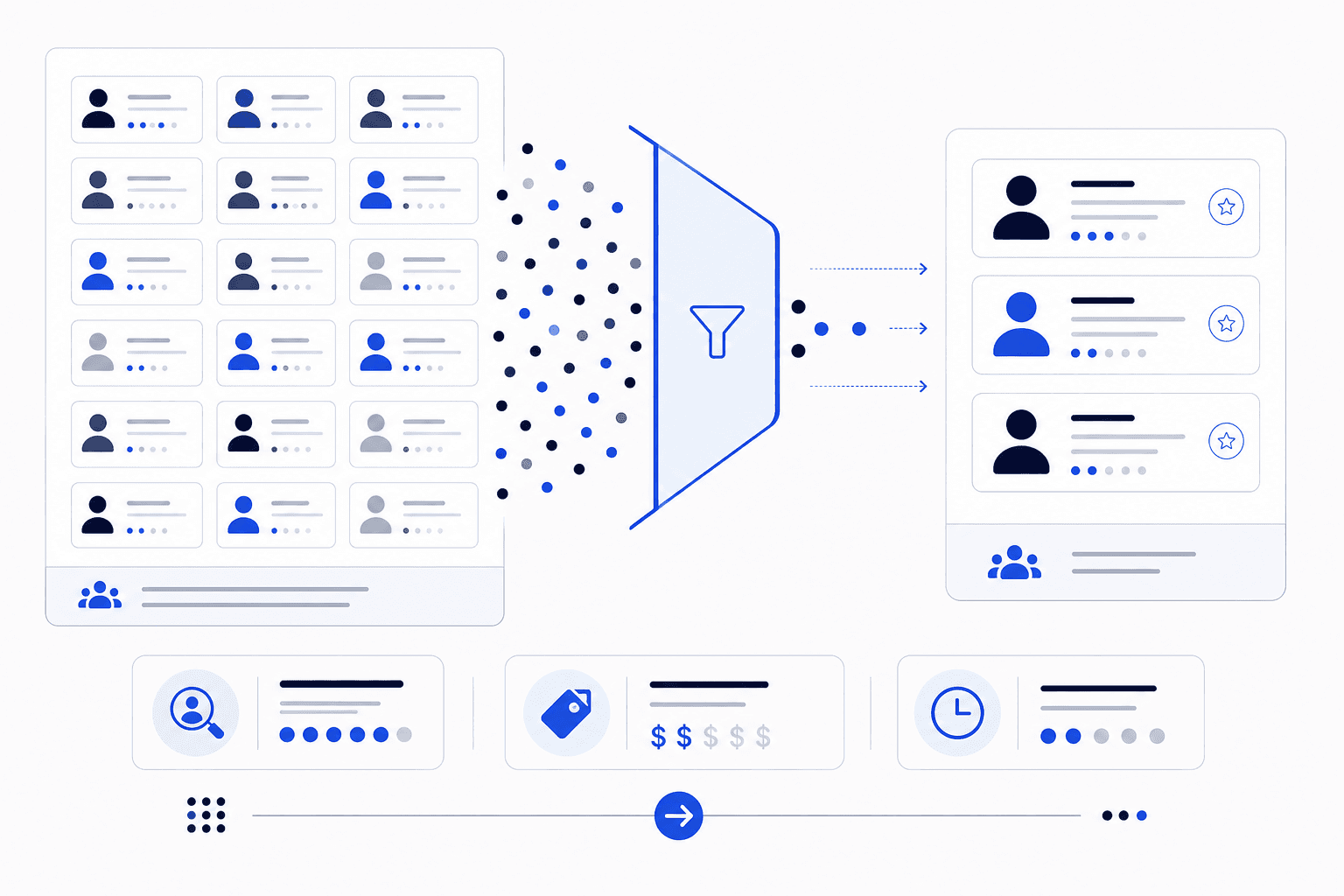
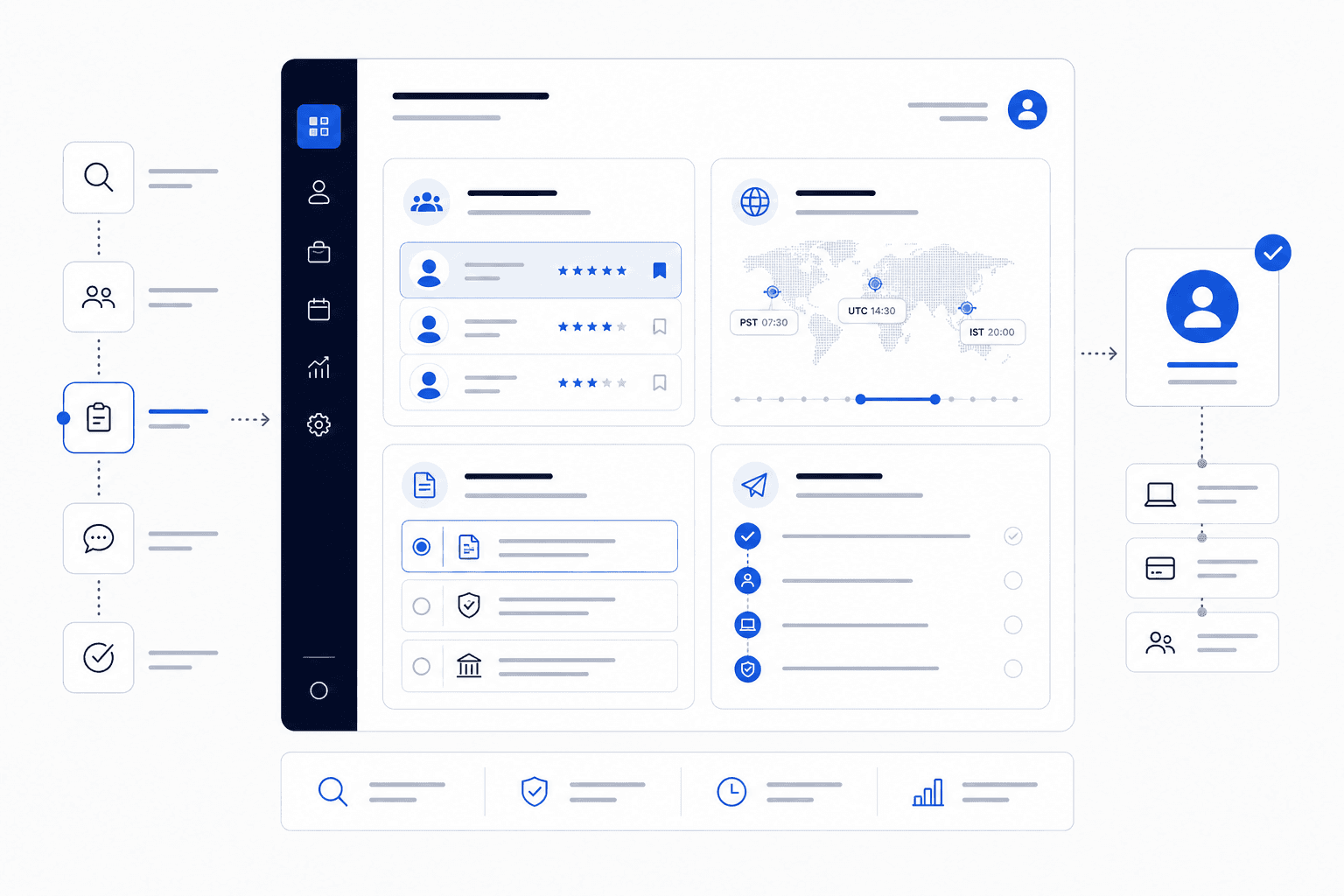
When you hire through HireTalent.ph, you can filter candidates by timezone preference and availability, making it easier to find remote workers whose natural schedule creates workable overlap.
Create space for questions
Most disconnection stems from people not feeling safe asking questions.
Your remote worker doesn’t understand the task, but they’re afraid asking will make them look incompetent. So they guess — and they guess wrong.
Change how you give instructions. End every task assignment with: “What questions do you have?” Not “Do you have questions?” The latter invites a yes/no answer. The former assumes questions exist and gives permission to ask.
Build check-ins that aren’t status updates
Your weekly one-on-one shouldn’t be a project review. Use project management tools for that.
Use one-on-ones to actually connect:
-
Ask how they’re doing.
-
Ask what’s challenging them.
-
Ask what they need.
Listen to how they answer, not just what they say. Someone who’s disconnecting will give shorter answers, less detail, and stick to safe topics.
Stop the meeting madness
If you can send it in a message, don’t schedule a meeting.
Reserve video calls for discussion, decision-making, problem-solving, and genuine connection. Not status updates. Not information that could be documented.
Every unnecessary meeting pushes people further into disconnection.
Document everything that matters
Disconnection thrives in ambiguity.
When expectations aren’t clear, people fill in the gaps with assumptions — usually wrong ones.
Write down processes. Create templates. Record how things should be done. This isn’t micromanaging. It’s removing uncertainty.
A remote worker who knows exactly what’s expected can work confidently. One who’s guessing will always feel disconnected from the real goals.
Recognize cultural communication styles
If you’re hiring Filipino remote workers, understand the communication culture.
Create explicit permission to say “I don’t understand” or “I need more information.” Frame questions as helping you improve, not admitting weakness. For example: “I want to make sure I’m explaining this clearly. What parts need more detail?”
This isn’t changing who they are. It’s changing how you create safety.
What disconnection looks like before it’s obvious
You won’t get a resignation letter out of nowhere. There are always signs:
-
Response times get slower.
-
Work that used to be proactive becomes reactive.
-
They stop offering ideas or suggestions.
-
They still do the work, but there’s no initiative and no ownership.
That’s disconnection.
Catch it early, and you can fix it. Miss it, and you’re hiring a replacement in three months.
Finding remote workers who are set up to succeed
Not every remote worker is the same.
Some people thrive in isolation. Others need structure and regular interaction.
When you’re hiring, look for people who:
-
Have successfully worked remotely before.
-
Can articulate how they stay connected.
-
Ask about team communication before asking about pay.
The talent exists. The Philippines has millions of skilled remote workers who want to do great work for companies that value them.
HireTalent.ph connects you with Filipino remote workers who complete HireTalent.ph profile review who have the skills and remote work experience to integrate into your team without the usual disconnection problems.