
NBI Clearance costs about $2.50–$4.00. PSA birth certificates run $3–$7. You can get both in 1–7 days.
Sounds great, right?
Here’s the problem 80% of Filipino applicants have clean records.
More than 50 employers in online communities shared stories about candidates who passed background checks but ghosted after two weeks, or just stopped showing up.
The documents aren’t useless. But they’re not what most employers think they are.
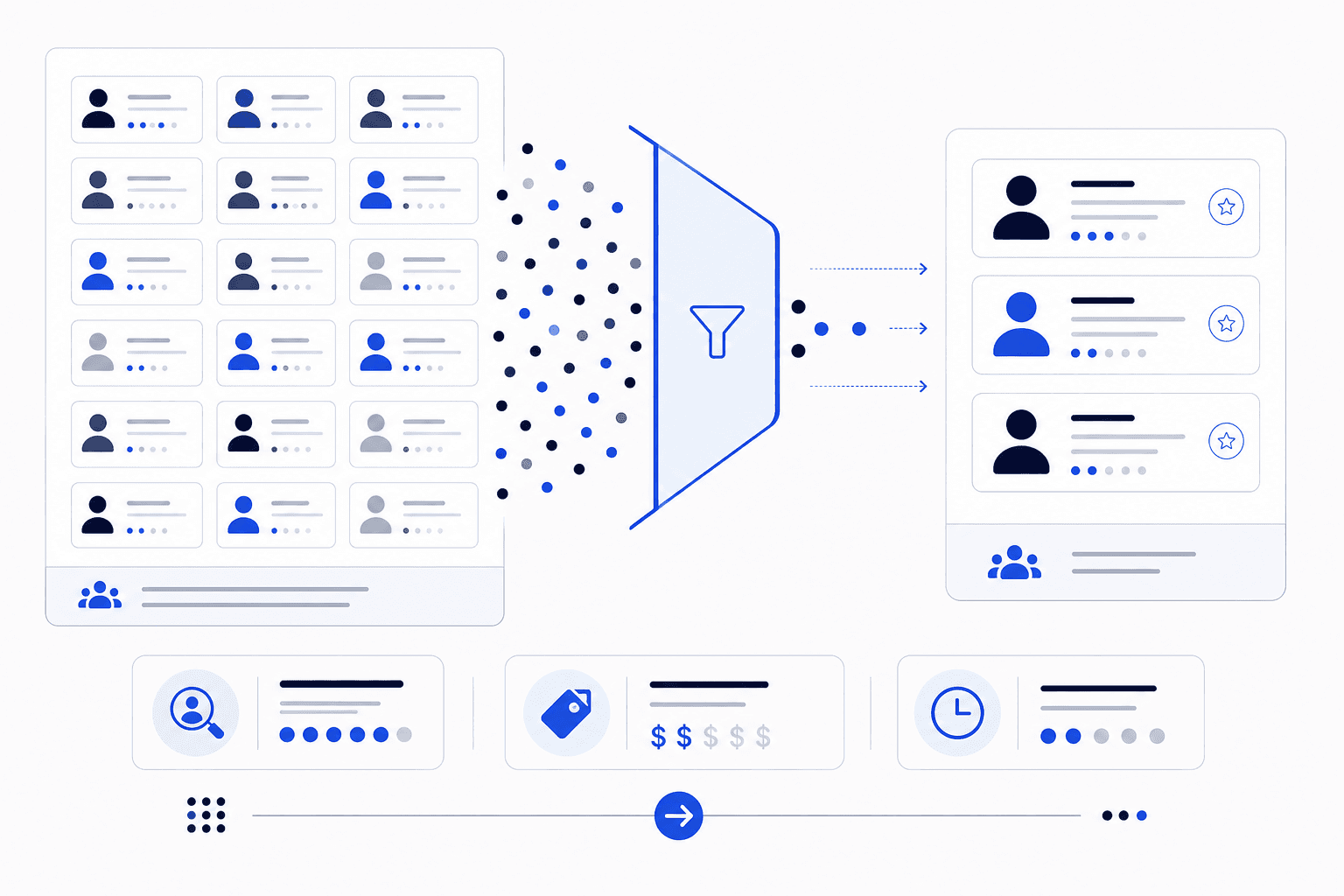
They’re basic filters. Not deep vetting tools.
Understanding NBI Clearance (What It Actually Shows)
The NBI Clearance checks criminal history from the National Bureau of Investigation’s national database: arrests, convictions, and wanted status.
The digital version is valid for one year. You get it through the eServices portal.
What NBI Clearance Actually Catches
The NBI database flags:
- Active warrants and arrests
- Criminal convictions on record
- Pending court cases
- Wanted status for serious crimes
According to DOLE and PNP data, only 2–3% of working-age Filipinos have derogatory NBI records.
When you look at actual employment submissions, 97% come back clean.
What NBI Clearance Completely Misses
- Juvenile records: These get expunged automatically. If someone had issues as a minor, you won’t see them.
- Civil cases: Debts, lawsuits, financial problems, contract disputes. None of that appears. An applicant could owe money to half of Manila and still have a clean NBI clearance.
- International crimes: The database only covers the Philippines. If someone committed fraud in Singapore or scammed clients in the US, you won’t see it.
- Employment misconduct: Fired for stealing or caught lying to previous employers? Not on the NBI clearance.
The Fake Document Problem
Fakes cost about $10–$20 on Facebook Marketplace.
Digital clearances have QR codes you can verify on the NBI website. But according to employer forums, most hiring managers never check.
When they do, they catch about 20% of fake submissions — roughly one in five.
How to Actually Verify NBI Clearance
- Always demand the digital version. Physical copies without digital verification are red flags.
- Go to nbi.gov.ph and scan the QR code. Takes two minutes. This single step eliminates most fraudulent documents.
- Check the issue date. If the clearance is more than a year old, reject it. They need to renew annually for employment purposes.
- Cross-check the name and birthdate with their PSA documents. Mismatches happen more often than you’d think—sometimes legitimately, sometimes not.
- Look for the “Issued” status without a verification link. About 30% of problem cases show this pattern; it usually means someone paid for a fake.
What PSA Documents Actually Reveal
PSA documents are issued by the Philippine Statistics Authority (formerly NSO). Birth certificates, marriage certificates, CENOMAR (Certificate of No Marriage for singles).
They confirm:
- Legal name and any name changes
- Date and place of birth
- Parents’ names
- Marital status
- Citizenship
These matter for legal contracts, taxes, and government verification. But for hiring? They prove identity. That’s about it.
When PSA Documents Actually Help
One employer caught a candidate lying about legally changing their name three times in five years which prompted deeper questions.
PSA documents create a paper trail. They force consistency. If someone’s been using different identities, these documents expose that.
The Identity Verification Problem
- PSA documents don’t include photos. You’re matching a name to a face, nothing more.
- Name variations are extremely common in the Philippines. Someone might go by “Maria” but their birth certificate says “Mary Jane Reyes-Santos,” or they have a nickname completely different from their legal name.
This may cause payroll headaches.
Fakes cost about $6. Photoshopped PDFs are everywhere. The quality varies wildly some are obvious, others look perfect.
How to Verify PSA Documents Properly
- Request the “Authentic Copy” with a receipt. These are verifiable online through official PSA channels. Authentic copies have security features that photocopies lack.
- Ask for a selfie holding the document plus a government ID. This catches about 80% of fakes according to employer communities. It’s low-tech but effective.
- Do a video call where they hold up the documents. Match the face to the name to the person on screen. Ask them to show security paper, watermarks, and official stamps.
- Verify through PSAHelpline.ph if you’re suspicious. For sensitive roles, spending $3–$5 on official verification is worth it.
PSA issues over 1 million certificates per year for employment. The fraud rate sits around 5–10% without verification. With proper verification, it drops below 1%.
What PSA Documents Don’t Tell You
- Employment history: Just because someone exists doesn’t mean they worked where they said they did.
- Education credentials: PSA confirms you were born, not that you graduated from anything.
- Financial stability: No information about debts, bankruptcies, or money problems.
- Professional reputation: You could be the worst employee in Philippine history and still have perfect PSA documents.
What Experienced Employers Actually Do
I’ve looked at hundreds of hiring stories from employers who manage teams of 10+ Filipino remote workers.
The ones who succeed don’t rely on documents. They use a completely different system.
Step 1: Trial Task (1–2 Days, Paid)
Test actual skills. Not documents.
Pay $10–$20 for a small project that mirrors real work. You’ll learn more in two days than any document can tell you in two minutes.
What to test:
- Technical skills specific to the role
- Communication style and responsiveness
- Attention to detail
- Ability to follow instructions
- Problem-solving under realistic conditions
Step 2: Request Digital Documents as a Quick Filter
Ask for NBI and PSA documents, but only as a baseline check.
- Verify the QR codes. Check the dates. Reject anything over a year old.
This takes about 10 minutes total. It’s not your main vetting process—it’s a minimum threshold.
Think of it like checking someone’s driver’s license before letting them drive your car. Necessary, but not sufficient.
Step 3: Video Interview with Document Verification
Use Zoom or Loom. Have them hold up their documents on camera.
- Match face to name to documents. This catches most fakes. It also gives you a sense of communication skills, professionalism, and comfort with technology.
- Ask them to explain any discrepancies: name variations, address changes, gaps in employment. Listen to how they answer.
Step 4: Contact References (The Step Most People Skip)
Get 2–3 past employers. Actually contact them by email or LinkedIn.
Ask one question: “Would you rehire this person?”
The answer tells you everything. If they hesitate, you have your answer. If they respond enthusiastically within hours, that’s a green flag.
According to employer forums, this step alone prevents more bad hires than any document check. But only about 30% of employers actually do it.
Step 5: Add Extra Checks for High-Risk Roles
If you’re hiring for finance, data-sensitive work, or anything involving client money, go deeper.
- CIC credit checks cost about $5. Employers in the UK and Australia swear by these for catching financial problems.
- International background checks through services like Checkr or GoodHire run about $30. Worth it for senior positions or roles with significant responsibility.
Red Flags That Matter More Than Documents
- If someone won’t share their NBI clearance, reject them immediately. No exceptions.
- If the NBI shows “Issued” but has no digital verification link, it’s probably fake. 30% of problem cases show this pattern.
- If their PSA name doesn’t match what they go by, ask why. There might be legitimate reasons (marriage, middle name usage), but probe and listen.
- If they refuse a video call, walk away. In 2024, anyone doing remote work should be comfortable on video.
- If their references are vague or unreachable, that’s a massive red flag. Real references respond; fake ones don’t.
The Real Success Rates Nobody Talks About
- 20–30% of new hires ghost within the first few months, even with clean background checks and perfect documents.
- Scams are rare (1–5% of cases), but data theft happens more often than money theft: client lists, proprietary information, access credentials disappear more often than cash.
- Employers who skip documents and focus on trial tasks report 85% retention at six months. Employers who rely heavily on documents? 70% retention.
You get better results by testing actual work rather than relying on paperwork.
The documents cost candidates $10–$20 total. They cost you nothing but time to verify. But a $10–$20 trial task tells you infinitely more about whether someone can do the job.
When Documents Actually Matter
Documents matter for legal compliance. If you’re setting up payroll through PayPal, Wise, or Payoneer, you need verified identities. Tax authorities require real names and addresses.
They matter for regulated industries. If you’re hiring for healthcare, finance, legal work, or anything involving vulnerable populations, you need clean records.
They matter for contract validity. You need to know you’re signing agreements with real people using their real names.
What Documents Can’t Predict
Documents don’t tell you if someone will:
- Show up on time consistently
- Communicate proactively when problems arise
- Actually have the skills they claim
- Stick around for more than two weeks
- Handle feedback professionally
- Work independently without constant supervision
- Maintain quality under pressure
These are the things that make or break remote hires, and none of them appear on an NBI clearance or PSA birth certificate.
The Bottom Line on Background Checks
additional background documents when appropriate catch serious criminals. That’s it.
PSA documents verify identity. That’s it.
Neither tells you if someone will show up on time, communicate well, actually have the skills they claim, or stick around for more than two weeks.
I’ve seen too many employers reject great candidates over minor document issues: a misspelled middle name, an address that doesn’t match, or a clearance that’s two weeks expired.
And I’ve seen them hire terrible ones with perfect paperwork.
I learned the hard way that documents are the floor, not the ceiling.
They tell you someone isn’t a wanted criminal and confirm someone exists with that name. But they don’t tell you if someone’s a good hire.
Do the work. Check the documents. But know what you’re actually checking.