Most employers ask for “a portfolio” and then get a Google Drive dump of everything the editor has ever touched.
Wedding videos, corporate presentations, random TikToks. None of it tells you whether they can do your work.
Here’s how to evaluate what they send you properly.
Video Editor Portfolio Checklist for Hiring
Before you go deeper into any candidate’s work, run it through these five criteria.
1. Relevance. Do they have samples that match your content type? YouTube long-form, Instagram Reels, ads, and podcast clips all require different skills. “Close enough” isn’t good enough.
2. Technical quality. Are cuts clean? Is audio balanced? Is color consistent? Are captions legible? Basic technical execution should be obvious from the first sample.
3. Storytelling and pacing. Does the content hook you in the first 5 to 10 seconds? Does it keep you engaged without dragging or feeling frantic? Good editors control momentum, they don’t just cut footage.
4. Consistency. Does the quality hold up across multiple projects, or does one great piece carry the rest? Look at three or more full projects before deciding.
5. Communication fit. How they present their portfolio tells you how they’ll work with you. If they send a disorganized dump with no context, that’s a preview of the working relationship.
If a candidate clears all five, move to the deeper evaluation below. If you’re still figuring out what kind of editor you need, our guide to hiring a Filipino video editor for YouTube covers the role scope in more detail.
What to Ask For Instead of “Your Portfolio”
Don’t just ask for a portfolio. You’ll get a catch-all folder with everything they’ve ever touched.
Ask for two specific things instead.
One tight reel that matches your content type. For short-form editors, 30 to 60 seconds. For long-form, 90 seconds max. Anything longer and they’re padding.
Two to three full projects from start to finish. Not clips. Full pieces.
The reel lets you screen quickly. The full projects show you the real skill level. The good editors will tailor what they send to exactly what you asked for. That difference matters before you’ve even had a conversation.
What Good Editing Samples Should Show
How to Judge Storytelling, Pacing, and Style Fit
Start with the reel. Don’t get distracted by flashy effects. Look for clean cuts, good rhythm, proper audio sync, and motion that serves the content rather than just showing off.
Then go to the full projects. This is where most people don’t know what to look for.
The opening. Does it hook you in the first 5 to 10 seconds? Especially for YouTube and ads, the opening is everything. A slow start in their sample means a slow start in your content.
The pacing. Watch for dead air, unnecessary filler, and jump cuts that feel frantic instead of purposeful. Good editors maintain momentum without exhausting the viewer.
The audio. Dialogue should be clear. Music shouldn’t overpower speech. Background noise should be managed. You notice sound design most when it’s missing.
The visuals. Color should be consistent throughout. Captions should be legible and on-brand. Graphics should feel intentional. Effects should be restrained unless the style specifically calls for heavy treatment.
Platform awareness. YouTube videos need different structure than ads. Reels need different pacing than long-form explainers. An editor who understands these differences is worth significantly more than one who doesn’t.
Does the Editor Explain Their Work?
The best portfolios don’t just show pretty videos. They tell you what the project was, what the goal was, what their specific role was, and ideally what results it got.
If someone can’t explain the “why” behind their editing choices, they’re probably making things look cool without understanding strategy. That’s fine for execution-only roles. It’s a problem if you want someone who can improve your content over time.
Key Skills to Look For in a Video Editor
Workflow ownership. Some editors just cut footage. Others can handle everything from organizing raw files to creating thumbnails to managing version control. Figure out what level of involvement you need before you hire. It’ll save you hours of back-and-forth.
Tool proficiency. The specific software matters less than you think. Output quality and workflow compatibility matter more. That said, confirm they’re comfortable with your required stack. If you need After Effects for motion graphics or CapCut for quick social cuts, make sure they actually use it regularly, not just occasionally.
Full-service capability. Ask whether they can also handle script structure suggestions, thumbnail concepts, caption templates, proxy workflow for large files, multicam syncing, and version control. The more they can own, the less you manage. But you need to know their limits upfront.
For a broader look at what to screen for across remote hires, see our guide on top skills to look for when hiring Filipino remote workers.
How a Portfolio Should Be Organized
How someone presents their work tells you how they’ll work with you.
A good portfolio structure looks like this: a simple one-page site or Notion page with their best reel at the top, followed by clearly labeled sections for different work types like YouTube long-form, Shorts and Reels, ads, and corporate. Direct links to relevant samples, not a massive Drive dump where you have to hunt. Each project should open directly with permissions already set.
Even one sentence of context per piece explaining the project goal and their role makes a huge difference.
You shouldn’t have to work to evaluate someone’s portfolio. If they make it hard, working with them will probably be hard too.
Common platforms you’ll see: Carrd for simple one-pagers, Squarespace or Fabrik for more polished sites, Notion for organized lists, or Vimeo and YouTube channels with playlists. All fine as long as they’re easy to navigate.
Use a Test Project to Evaluate Editing Skills
Don’t hire based on portfolio alone. Run a paid test, small, specific, and relevant to what you actually need.
For long-form content, give them 3 to 5 minutes of raw footage and a style reference. For short-form or ads, provide a small asset pack and a clear objective.
Tell them what success looks like upfront. Is it watch time? Retention in the first 30 seconds? Clicks? Be specific. How they interpret and execute a real brief tells you more than any portfolio sample.
Red Flags in a Video Editor Portfolio
Sometimes the portfolio looks fine but something feels off. Trust that feeling.
Keep looking if any of these apply.
They can’t explain the “why” behind their editing choices. Just describing what they did isn’t enough.
They have no samples relevant to your content type. “I haven’t done exactly that but I’m a fast learner” usually means you’ll be paying them to practice.
Their communication is unclear or slow during the hiring process. It won’t get better once they’re on the job.
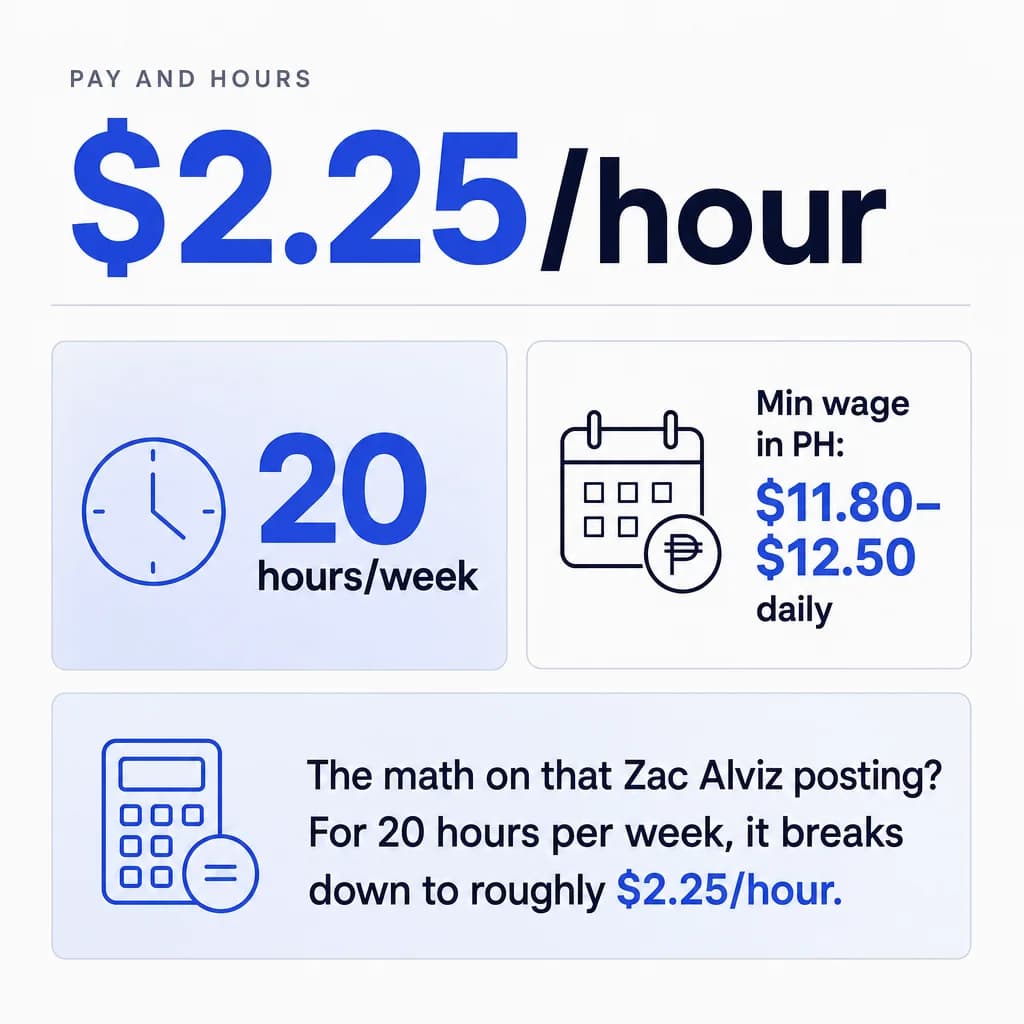
Their rate is significantly below other qualified candidates. In the Philippine market, very low rates often correlate with high rework. You end up paying more through revisions, missed deadlines, and eventually re-hiring.
They oversell or make promises that sound unrealistic. Good editors are confident but honest about timelines and what they can deliver.
Take Time to Properly Vet Video Editors
Hiring the wrong video editor costs you far more than just their rate. You spend hours explaining what you want, get back work that misses the mark, go through multiple revision rounds, and eventually have to re-hire and start over.
Every week you’re working with the wrong person is a week your content isn’t performing the way it should. Taking a few extra days to evaluate properly saves months of frustration later.
The right Filipino video editor will understand your content goals, deliver clean work consistently, and improve your output quality without adding to your management load. You just have to know what to look for before you say yes.
Ready to start looking? Here’s how to hire on HireTalent.ph, and if this is your first remote hire, our never hired guide walks you through the full process from scratch.
FAQ
How do you evaluate a video editor portfolio?
Start with relevance, do they have samples that match your content type exactly? Then check technical quality across cuts, audio, color, and captions. Look at full projects to judge pacing and storytelling, not just highlight reels. Run a small paid test before committing to a full hire.
What should a video editor portfolio include?
A strong portfolio includes a short highlight reel tailored to your content type, two to three full projects with context explaining the goal and their role, and clearly organized sections by content format. Direct links with proper permissions set are a baseline expectation.
What are red flags in a video editing portfolio?
Red flags include no samples relevant to your content type, an inability to explain editing decisions beyond surface-level description, disorganized or hard-to-navigate presentation, rates significantly below market without explanation, and slow or unclear communication during the hiring process.
How do you know if a video editor fits your brand style?
Ask for samples that specifically match your content format and platform, not general samples. Review the full projects, not just the reel. Check whether they demonstrate platform awareness, different structure for YouTube vs ads vs Reels. Run a paid test with your actual raw footage and a style reference before hiring.