Here’s something most people don’t know.
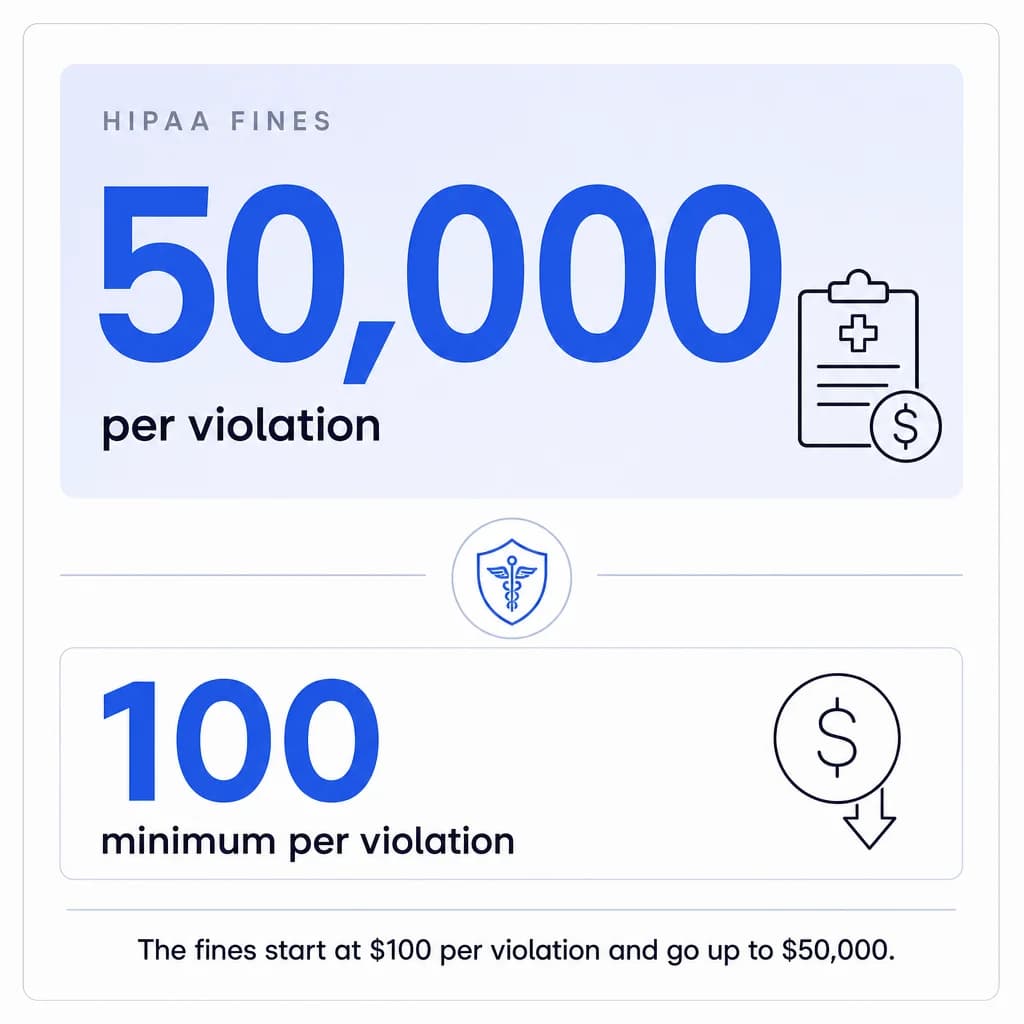
If you’re hiring someone in the Philippines to handle anything related to patient data, you could be facing fines of up to $50,000 per violation. Per violation.
That’s not a typo.
And it doesn’t matter if your remote worker is halfway across the world. If you’re a US-based business touching healthcare data, HIPAA applies to you. And that means you need a Business Associate Agreement.
Let me break this down.
When You Actually Need a BAA
A Business Associate Agreement (BAA) is required under HIPAA when you hire someone who will access Protected Health Information (PHI).
That’s patient names, medical records, billing information, appointment schedules (anything that could identify a patient and their health status.)
If your remote worker is doing medical billing, entering data into your EHR system, scheduling patient appointments, or handling insurance claims, you need a BAA. No exceptions.
The gray area most people miss
Here’s where it gets tricky. Even peripheral access counts. If your remote worker might accidentally see PHI while doing their job, you need that BAA in place.
If you’re hiring someone for general admin work, marketing, or customer service that has nothing to do with healthcare, you don’t need a BAA. A standard independent contractor agreement with an NDA will do the job.
What non-compliance actually costs
The fines start at $100 per violation and go up to $50,000. And yes, criminal charges are possible for willful neglect.
The Real Cost Difference (and Why People Hire Offshore Anyway)
Let’s talk numbers.
A medical billing specialist in the US costs $20 to $50 per hour—sometimes more in high-cost areas.
Filipino remote workers with the same skills cost around $5 to $10 per hour.

That’s approximately $1,280 per month for a full-time worker at $8/hour versus potentially $4,000+ for someone local. The savings are 70–80%. That’s real money back in your business.
The training advantage nobody talks about
What matters more than cost savings is that many Filipino workers come pre-trained in HIPAA compliance. The Philippines has training programs dedicated to US healthcare regulations. They understand PHI handling, secure communication channels, and breach protocols before you even hire them.
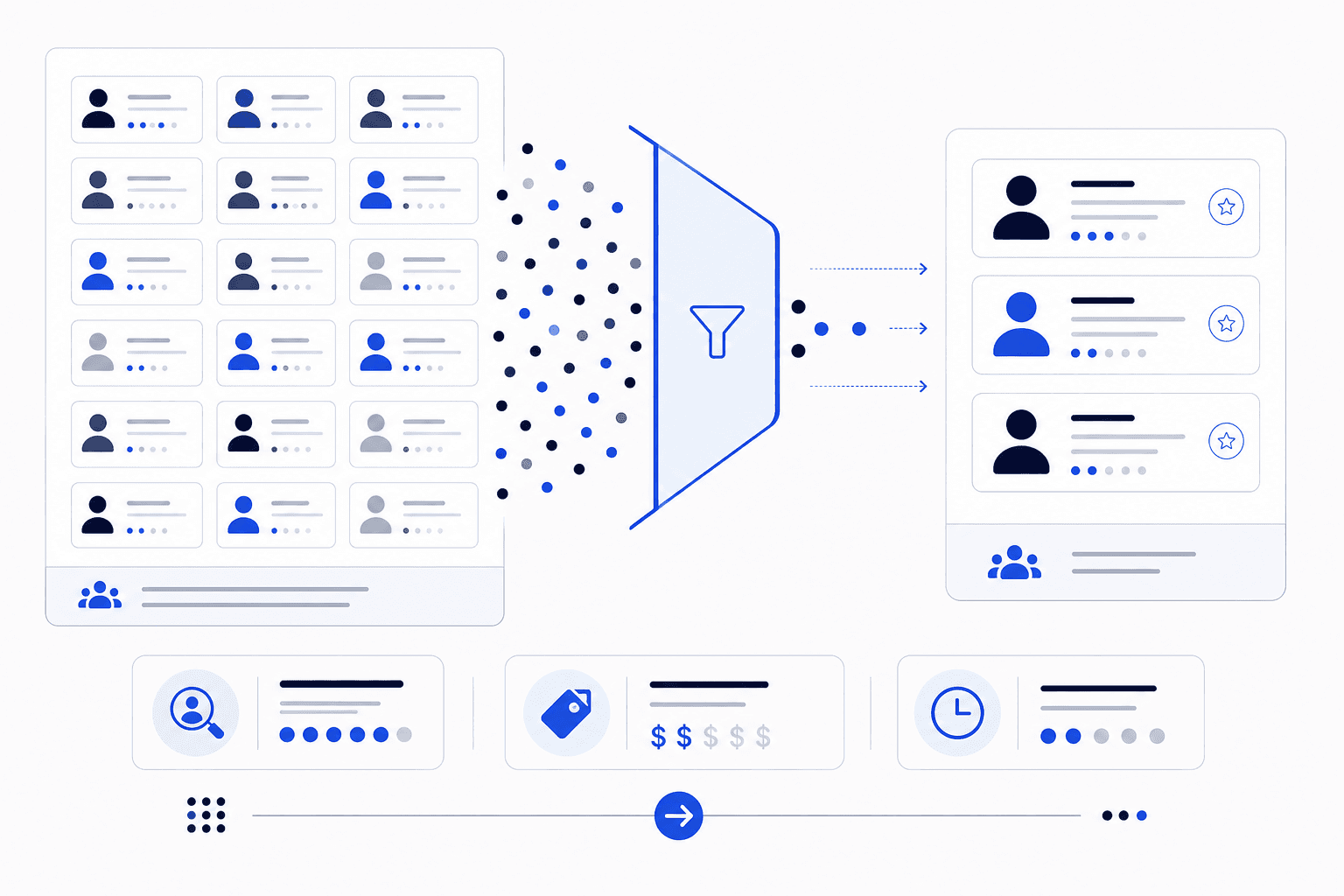
When you’re vetting candidates on platforms like HireTalent.ph, you can filter specifically for workers with HIPAA training and healthcare experience, which cuts onboarding time significantly.
What Actually Goes Into a BAA
Your Business Associate Agreement needs to do more than exist. It needs to actually protect you. Here are the non-negotiable components:
PHI access and use restrictions
Your agreement should limit your remote worker to the minimum necessary data. They can only access what they need to do their job. No browsing. No re-using data for other purposes. Specify exactly which tools they can use and ban unencrypted email completely.
Security measures that actually work
You need to mandate secure channels only. That means HIPAA-compliant tools like TigerConnect or a properly configured Google Workspace with a BAA from Google. Personal Gmail accounts are prohibited. Dropbox consumer accounts are not acceptable.
Require encryption standards and access logs that you can review monthly.
Breach notification requirements
If something goes wrong, your remote worker needs to notify you within 24 to 72 hours. Include an incident reporting template in your agreement and give yourself the right to audit their practices.
Training and documentation protocols
Annual HIPAA refreshers aren’t optional. Track training completion, access logs, and performance. Document everything. If you ever get audited, this documentation saves you.
Termination and data return procedures
When the working relationship ends, your remote worker must return or destroy all PHI. Set up automatic access deletion. Include a 30-day notice period so nothing falls through the cracks.
Indemnification clauses
Your remote worker should be liable for violations they cause. You may cap that liability, but require proof of insurance if the role is sensitive. Include an NDA and, where appropriate, a non-compete clause for additional protection.
How to Stay Compliant When Hiring Across Borders
Getting the classification right matters more than almost anything else.
Contractor vs. employee classification
Treat your remote worker as an independent contractor, not an employee. This gives you location freedom and avoids a mess of employment law issues.
Don’t treat them like an employee. If you control when they work, how they work, provide all their tools, and they only work for you, the IRS might reclassify them as an employee. That triggers back taxes, penalties, and can require paying up to 24 months’ salary in fines.
About 30% of US firms get this classification wrong. Don’t be one of them.
Tax requirements for US employers
For US tax purposes, have your Filipino contractor fill out a W-8BEN form. This prevents the IRS from withholding 30% of their payment. They pay taxes in the Philippines only; you do not withhold.
The written contract essentials
Your written contract needs to go beyond the BAA. Detail the scope of work, pay rate (the $5–$10/hour range is common), working hours if they need to align with US time zones, and specific deliverables.
The Onboarding Process That Actually Works
Start with a trial period of one to two weeks, supervised closely.
What to test during the trial
Give them real tasks, not busy work. Can they navigate your EHR system? Do they ask good questions when something’s unclear? Do they follow security protocols without reminders?
Pay them fairly during the trial, but limit their access scope.
Setting up compliant tools from day one
Set up HIPAA-compliant tools only: Updox for file sharing, secure messaging apps with end-to-end encryption, and properly configured EHR access. No shortcuts.
When to use an Employer of Record
If you’re hiring multiple people or this feels overwhelming, consider an Employer of Record (EOR) service like Gloroots or Rippling.
They handle payroll, taxes, and compliance without you needing a legal entity in the Philippines. This is useful when scaling a team and avoiding permanent establishment risk.
UK and Australia Have Their Own Rules
If you’re in the UK or Australia, the BAA specifically applies to US HIPAA requirements, but you also have your own data protection laws.
GDPR and Privacy Act requirements
UK employers must comply with GDPR. Australia enforces the Privacy Act. While you might not need a BAA exactly, include similar data protection clauses in your contractor agreements.
UK-specific documentation
UK employers also need to provide a “Written Statement of Particulars” on day one. This outlines duties, pay, and termination terms. It mirrors what a BAA does for clarity and protection.
The principles are the same: protect sensitive data, document everything, and ensure your remote worker understands their obligations.
The Mistakes People Actually Make
Using unsecured tools
Using unsecured tools is the biggest mistake: personal email, consumer Dropbox, unencrypted messaging apps. All of it is a HIPAA violation waiting to happen.
Over-controlling your contractor
Over-controlling your contractor creates misclassification risk. If you dictate their exact hours, supervise every minute, and treat them like an employee, you risk IRS reclassification. Give them deliverables and deadlines, not micromanagement.
Skipping training documentation
Skipping training documentation is common. You need proof that your remote worker completed HIPAA training. Annual refreshers aren’t optional. If you get audited and can’t show training records, you’re in trouble.
Not having a breach response plan
Not having a breach response plan is asking for disaster. When (not if) something goes wrong, you need a clear process: who gets notified, the timeline, and the steps. Your BAA should spell this out.
Finding People Who Already Understand This Stuff
The Philippines produces thousands of workers trained specifically for US healthcare roles. They know HIPAA, have worked with EHR systems, and understand the stakes.
Where to find pre-trained talent
HireTalent.ph lets you filter candidates by healthcare experience and compliance training, so you’re not starting from zero with every hire.
Look for people who’ve worked with US healthcare clients before. Check their references and ask specific questions about how they’ve handled PHI in past roles.
The interview questions that matter
Ask candidates to walk you through their security setup: What tools do they use? How do they secure their internet connection? What would they do if they suspected a data breach?
The good candidates will have detailed answers. Those who haven’t thought about it are a risk.
The Bottom Line
A Business Associate Agreement isn’t optional if you’re hiring remote workers to handle healthcare data. It’s a legal requirement that protects both you and them.
Get the BAA right. Use compliant tools. Document everything. Treat your remote workers as professionals, not as employees you’re trying to control.
The savings are real. The talent is there. You just need to do it legally.
If you’re not sure where to start, talk to a lawyer who specializes in healthcare compliance. This article gives you the framework, but your specific situation might need customization.
Don’t skip this step. The fines aren’t worth it.